You spend hours crafting the perfect email. The subject line feels sharp, the copy is polished, and you are confident this one is going to drive serious engagement. Then, it lands in the inbox—and silence. No spike in traffic, no sales, no meaningful interaction. It becomes just another digital artifact in a sea of unread notifications.
If this scenario sounds familiar, you are not alone. Even the most seasoned founders and digital marketers face the "Click-Through Rate (CTR) plateau." While many blame "email fatigue" or the shrinking attention spans of the modern consumer, the root cause is rarely the medium itself. It is, almost invariably, a series of fixable strategic oversights.
This deep dive explores the mechanics of why your audience isn’t clicking, the psychology behind high-conversion communication, and the tactical framework required to transform your email strategy into a high-performing business asset.
The Anatomy of the Problem: Why Your Emails Are Ignored
Before you can increase your CTR, you must diagnose why your audience remains passive. Performance issues in email marketing generally stem from a disconnect between the sender’s intent and the recipient’s reality.
The Subject Line Barrier
The subject line is the gatekeeper of your content. In a crowded inbox, you are competing with urgent work tasks, personal messages, and aggressive promotional campaigns. If your subject line is vague, predictable, or overly "salesy," you trigger the recipient’s internal spam filter. A strong subject line should spark curiosity or promise a tangible benefit; a weak one blends into the noise, ensuring your email is deleted before it is ever read.
The Empathy Gap
Many marketers talk at their audience rather than to them. Successful communication requires alignment with the reader’s current mindset. If your email launches immediately into a pitch without context or acknowledgement of the recipient’s current pain points, you create a psychological disconnect. People click when they feel understood—when the message reflects their internal monologue or solves a specific problem they are currently facing.
The Trap of Generic Personalization
"Dear [First Name]" is no longer enough. Modern subscribers are accustomed to hyper-personalized content, tailored recommendations, and experiences that reflect their specific stage in the buyer’s journey. When an email feels mass-produced, the reader treats it as such. Without data-driven segmentation, your message lacks the relevance required to move the needle.
Friction in Design and Readability
Cluttered layouts, dense paragraphs, and poor visual hierarchy create cognitive load. In an era where the majority of emails are consumed on mobile devices, friction is the enemy of action. If a reader cannot identify the value proposition or the Call to Action (CTA) within three seconds of opening the message, they will inevitably bounce.
Chronology of a Conversion: The Psychology of the Click
Understanding why people click requires a look at the psychological triggers that drive human decision-making. Clicks are rarely the result of a rational, calculated choice; they are the result of emotional cues that prompt an immediate reaction.
1. The Trigger Phase (The Subject Line)
Psychologically, the subject line must leverage one of several proven triggers:
- Curiosity: Creating an "information gap" that the brain feels compelled to fill.
- Urgency/Scarcity: Tapping into the Fear of Missing Out (FOMO).
- Reciprocity: Offering immediate, free value that creates a subconscious desire to "give back" by clicking.
2. The Engagement Phase (The Copy)
Once the email is open, you must bridge the gap between interest and action. This is where empathy comes in. By acknowledging the reader’s struggle and positioning your solution as the bridge to their desired outcome, you transition from a "vendor" to a "partner."
3. The Activation Phase (The CTA)
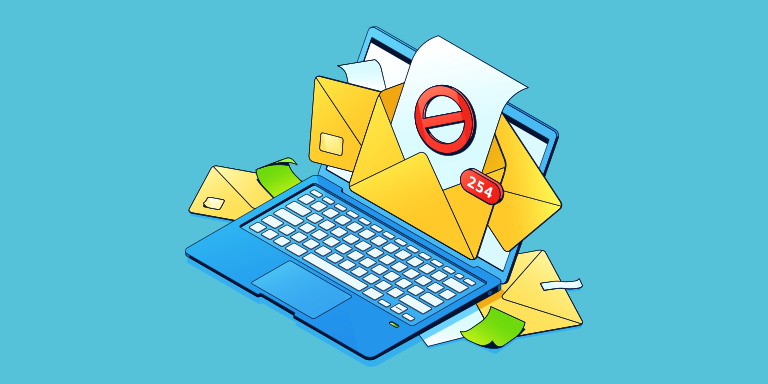
The Call to Action is the final hurdle. A weak CTA ("Click Here") provides no incentive. A strong, benefit-driven CTA ("Get my free guide" or "Start saving 20% today") reinforces the reason for the click, providing the final push needed to convert a reader into a lead or customer.
Supporting Data: What the Metrics Tell Us
Data consistently shows that small, data-backed optimizations yield exponential results. Industry benchmarks suggest that average click-through rates across all industries hover between 1.5% and 2.5%. However, brands that implement rigorous segmentation and personalization often see these figures rise to 5% or higher.
Key Performance Indicators (KPIs) to track include:
- Open-to-Click Rate: This is the most accurate measure of your content’s effectiveness. If your open rate is high but your click rate is low, your content is failing to resonate.
- Device Breakdown: Data frequently shows a massive disparity between desktop and mobile engagement. If your design isn’t responsive, you are effectively alienating over 50% of your audience.
- Unsubscribe Rate: A sudden spike in unsubscribes following a campaign is a clear indicator that your messaging or frequency is misaligned with audience expectations.
Official Perspectives: The Experts’ Take on Email Evolution
Industry leaders in marketing automation—such as the teams behind platforms like Omnisend—emphasize that the future of email lies in "Behavioral Orchestration."
"The days of ‘batch and blast’ are over," says a leading marketing strategist. "Modern consumers expect a conversation. They want to know that you are watching their behavior—not in a creepy way, but in a way that allows you to show up with the right solution at the right time. When you automate based on intent, you aren’t just sending an email; you’re providing a service."
This perspective highlights that the most successful campaigns are those that feel like a natural extension of the user experience, rather than an interruption.
Implications: Moving Toward a High-Performance Strategy
If you want to move from "ignored" to "essential," you must treat your email list as a living, breathing asset. This requires a shift in both mindset and execution.
Step-by-Step Optimization
- Segment, Then Segment Again: Break your list down by purchase history, engagement level, and expressed interests. Send a different message to a new subscriber than you would to a repeat customer.
- The "High-Low" CTA Strategy: Place your primary CTA within the first two "folds" of the email (visible on mobile without scrolling), and repeat it at the end for those who read the entire message.
- The 20% Rule: Once your draft is finished, go back and cut 20% of the word count. Brevity is a force multiplier in email marketing.
- A/B Testing as a Default: Never send an email without testing at least one variable—be it the subject line, the CTA button color, or the tone of the opening paragraph. Let the data tell you what your audience prefers, rather than relying on intuition.
The Role of Technology
Trying to manage hyper-personalization manually is a recipe for burnout. Utilizing robust automation tools allows you to scale your efforts while maintaining the "human touch." These platforms allow for dynamic content insertion, where different images or product recommendations are served to different segments within the same campaign.
Final Thoughts: Building a Sustainable Connection
The emails that earn the most clicks aren’t the loudest or the most visually complex. They are the ones built around how people actually make decisions. They are clear, concise, and deeply relevant to the person on the other end of the screen.
In a world of constant digital noise, your email has the potential to be a signal—a trusted source of value that your audience looks forward to opening. By focusing on the psychology of the recipient, refining your copy for readability, and leveraging data to guide your strategy, you can turn your email marketing from a chore into a primary engine for business growth.
Remember: Every click is a vote of confidence. When you respect your reader’s time and provide real value, they will continue to vote for you. Start implementing these small, strategic tweaks today, and watch your engagement metrics—and your business—begin to climb.