
Hidden within the depths of your existing email database lies a goldmine of untapped revenue. It is not found in complex ad targeting algorithms or expensive influencer campaigns, but in the pockets of your most loyal customers. These are the individuals who have already made repeat purchases, left glowing five-star reviews, and—crucially—are predisposed to advocate for your brand.
For many founders, the concept of a "referral program" remains a stagnant, neglected utility—a lonely link buried in the footer of a website, gathering digital dust. However, in an era where customer acquisition costs (CAC) are skyrocketing, transforming passive fans into an active, automated referral engine is no longer a luxury; it is a business imperative.
The Mathematical Advantage of Social Proof
The premise is simple: when a friend recommends a product, the "selling" is effectively already done. A referral bypasses the traditional consumer skepticism that accompanies cold advertisements. Research consistently shows that referred customers boast higher lifetime values, shorter conversion cycles, and lower churn rates compared to those acquired through paid search or social media.
Unlike algorithmic targeting, which relies on behavioral data points, a customer’s recommendation is rooted in genuine human trust. They do not recommend products to friends who are a bad fit, because their own reputation is at stake. By leveraging this, brands can achieve a level of precision that no marketing automation tool can replicate. The challenge, therefore, is not why you should have a referral program, but how you move from a passive "refer-a-friend" page to a proactive, automated engine.
Chronology of a Successful Referral Strategy
To transition from a static page to a dynamic engine, founders must map out the lifecycle of a referral. This shift requires moving away from one-off, "spray-and-pray" blasts to a customer-centric, triggered approach.
Phase 1: The Foundation (Infrastructure)
The initial step is to stop treating referrals as an "event" and start treating them as an "infrastructure." This involves implementing unique, trackable links for every customer, ensuring that attribution is seamless. The friction of the process must be reduced to near-zero; if a customer cannot share your brand via WhatsApp, text, or email in under 15 seconds, the program will fail.
Phase 2: The Trigger (Moment of Delight)
Timing is the most overlooked variable in referral success. A request for a referral sent in a generic Tuesday newsletter is often perceived as spam or an "extraction attempt." However, a request triggered precisely when a customer is experiencing a "moment of delight"—such as after a second purchase, a positive support ticket resolution, or a five-star review—is received as a natural conversation starter.
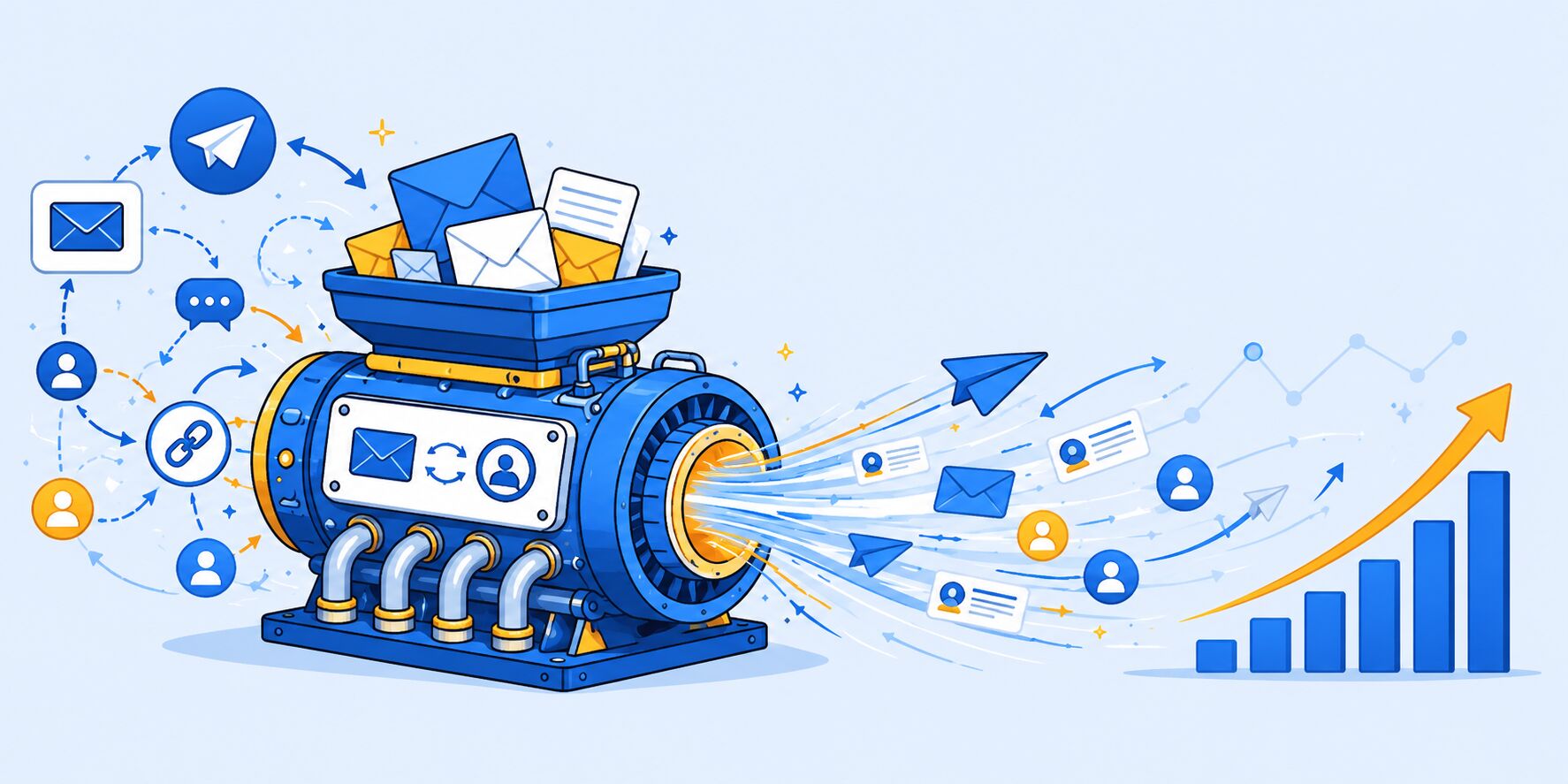
Phase 3: The Incentive (The Double-Sided Mandate)
Data suggests that one-sided referral programs—where only the referrer or only the referee receives a benefit—are fundamentally flawed. A "Give $10, Get $10" model creates a symbiotic loop. The referrer is rewarded for their loyalty, and the referee is incentivized to make their first purchase. This removes the "grubbiness" of transactional friendship and replaces it with a mutually beneficial exchange.
Supporting Data: Why Friction Kills Growth
The primary reason most referral programs fail is not the lack of a compelling offer, but the presence of friction. In the modern e-commerce landscape, the "quietly satisfied majority"—the 98% of your list who aren’t your most vocal superfans—will only participate if the process is effortless.
Analysis of high-performing referral programs reveals three non-negotiable pillars:
- Low Barrier to Entry: Pre-written copy that is ready to be sent with one tap.
- Omnichannel Accessibility: Share buttons that live where the user spends their time (WhatsApp, Messenger, SMS).
- Persistence: Referrals must be mentioned consistently across the customer journey—post-purchase emails, receipts, and newsletters—to remain top-of-mind.
The Role of Advanced Segmentation
Not all customers are created equal. Blasting a referral request to a user who hasn’t opened an email in eight months is a strategic error that teaches your audience to ignore your communications.
Modern marketing stacks, such as those integrated with Omnisend, have revolutionized this process. By using advanced segmentation, brands can isolate their "High Engagement" cohort. This group is then treated to a more personal, frequent touchpoint regarding the referral program. When the infrastructure—powered by tools like Yotpo or Smile—handles the points, tiers, and rewards in the background, the founder’s only responsibility becomes crafting an "ask" that feels authentic and human.
Implications for Modern Founders
The shift toward an automated referral engine has significant implications for how businesses manage their marketing budgets. By shifting focus from "buying" customers to "earning" them, businesses can see a substantial reduction in their overall CAC.
Furthermore, this approach fosters a community-led growth model. When you turn your customers into your primary sales force, you create a brand ecosystem that is resilient against market fluctuations and changes in advertising platform privacy policies.
Expert Insight: The Human-Infrastructure Blend
As noted in industry best practices, the most successful brands treat their referral programs as "infrastructure for existing generosity." People are naturally inclined to share things they love; the business’s role is merely to facilitate that generosity and ensure the participant is thanked for their effort.
For those looking to migrate or upgrade their existing systems, the transition period is often the biggest hurdle. Modern migration teams, such as those at Omnisend, now offer full-service transfers, allowing companies to move entire flows, lists, and templates within days. This allows teams to focus on strategy rather than technical debt.
Final Thoughts: The Path Forward
The "Referral Engine" is not a new invention, but it is a vastly underutilized one. By integrating automation, precise timing, and double-sided incentives, businesses can transform their email lists from a passive database into a high-octane growth machine.
As you look to scale, remember that the goal is not to force referrals, but to make them an inevitable part of the customer experience. By removing friction and asking the right people at the right time, you ensure that your brand’s word-of-mouth grows not just by chance, but by design.
For Foundr readers, the transition to an optimized referral system is now more accessible than ever. By utilizing code FOUNDR50, you can secure 50% off your first three months of Omnisend, providing the necessary infrastructure to automate your referrals, segment your most loyal buyers, and start turning your email list into a sustainable referral engine today.