
Somewhere within your existing email database lies your most valuable asset: a loyal customer who genuinely loves your product. They have purchased from you multiple times, they have left glowing reviews, and they are already primed to advocate for your brand to their social circle. Yet, for many founders and digital marketers, this potential remains entirely untapped.
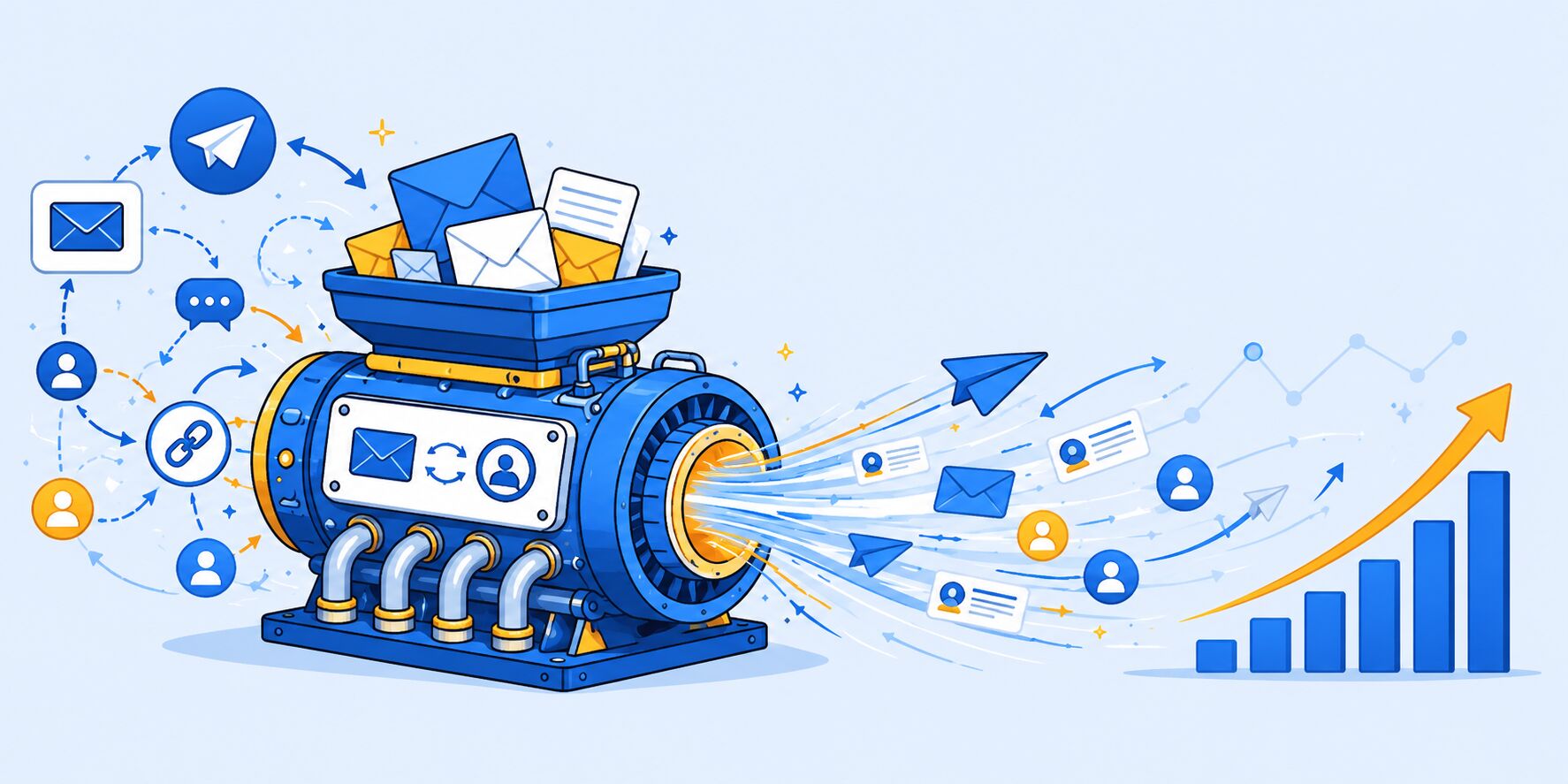
While most businesses treat referral programs as an afterthought—a static, forgotten link buried in the footer of a website—the most successful brands treat them as a core infrastructure of growth. Transitioning from a passive "link" to a proactive "referral engine" is not just a tactical shift; it is a fundamental reorientation of how you acquire customers.
The Case for Referral Marketing: Why Peer Trust Beats Algorithms
In the modern digital landscape, customer acquisition costs (CAC) have spiraled to unsustainable levels. Platforms like Meta and Google are increasingly expensive, and targeting algorithms—while sophisticated—lack the nuanced human connection of a personal recommendation.
When a friend tells you, "You would love this product," the vetting process is effectively over. You do not research alternatives; you do not compare reviews. You trust the recommendation, and the sale is effectively closed before you even interact with the brand. This is the power of word-of-mouth marketing, amplified by intentional infrastructure.
Referred customers are statistically superior across every key performance indicator (KPI). They convert at higher rates, possess a higher lifetime value (LTV), and exhibit lower churn rates. Because customers rarely refer people they think will be a "bad fit," the referral process acts as a natural, self-correcting filter for your audience quality.
Chronology of a Failed Referral Strategy
To understand why so many referral programs fail, we must look at the typical, misguided implementation process:
- The "Check-the-Box" Phase: A founder decides to launch a referral program, often driven by the vague idea that "word-of-mouth is good." They add a link to their website footer or include a generic mention in a monthly newsletter.
- The Stagnation Phase: Because the program lacks a specific trigger, it is ignored. It is not integrated into the customer’s journey, and the incentive structure is either non-existent or confusing.
- The "Ghost" Phase: The link remains live, but it produces zero leads. The founder concludes that "referral marketing doesn’t work for my niche," and the initiative is abandoned, relegated to the "gym membership" category—something you pay for or maintain but never actually use.
The reality is that these programs fail because they are designed as static pages rather than dynamic, automated systems.
Key Pillars of a Modern Referral Engine
If you want to move from "passive existence" to a "high-performance engine," you must implement a structured framework.
1. The Principle of "Moment of Delight"
Timing is the difference between a successful referral and a spam-like intrusion. A referral request sent during a generic Tuesday newsletter blast is perceived as "wallpaper"—easily ignored. A request sent immediately after a customer leaves a five-star review, or shortly after a successful repeat purchase, is perceived as a natural extension of their positive experience.
By utilizing automation, you can identify these windows of peak goodwill. When a customer confirms receipt of a second order or leaves positive feedback, the system should automatically trigger an invitation. This turns an "extraction attempt" into a "natural conversation."
2. The Double-Sided Incentive
One of the most common mistakes is the single-sided reward. If you only reward the referrer, the act can feel transactional or "grubby," as if the customer is monetizing their friendships. If you only reward the recipient, the referrer has no tangible incentive to put in the effort.
The "Give $10, Get $10" model is the gold standard. It reframes the interaction as a mutual favor. The referrer is providing a benefit to their friend, and they are rewarded for that social capital. Both parties arrive at the transaction with a positive association with your brand.
3. Reducing Friction to Zero
Friction is where referral programs go to die. If a user has to copy a long code, navigate to a new site, and write a custom email, the conversion rate will plummet. Your infrastructure must:
- Provide unique, trackable links: Attribution should be automatic.
- Offer pre-written templates: A short, human-centric message that the customer can send as-is or lightly customize.
- Optimize for mobile: The share buttons should exist where the user already spends their time—WhatsApp, text, or email—requiring no more than one or two taps.
Data-Driven Segmentation: Who Should You Ask?
Not every customer on your list should receive a referral prompt. Sending a broadcast request to a customer who hasn’t engaged with your brand in eight months is not just ineffective—it is harmful. It trains your audience to treat your outreach as noise, leading to increased unsubscription rates.
Instead, build a specific segment for your "Advocates." This includes:
- Repeat buyers: Those who have demonstrated long-term brand loyalty.
- Reviewers: Customers who have already taken the time to provide positive feedback.
- Engaged subscribers: Those who reply to your emails or interact with your content.
By focusing your referral efforts on this high-value segment, you increase the likelihood of success and ensure that your brand maintains a professional, personalized image. Tools like Omnisend can automate this process, using advanced segmentation to isolate your happiest customers and triggering the right communication at the exact moment it is most effective.
The Role of Modern Infrastructure
The modern marketer does not need to manage these programs manually. Integrated loyalty and marketing platforms, such as those that sync with Smile or Yotpo, allow the "plumbing" of the referral system to run automatically.
When a customer earns a reward, the system fires an email. When a friend makes a purchase, the system credits the referrer. This removes the manual burden from the founder, allowing them to focus on the only part of the process that requires human touch: writing an "ask" that is actually worth saying yes to.
Implications for Future Growth
The shift toward referral engines has profound implications for sustainable business growth. In an era of increasing data privacy regulations and the deprecation of third-party cookies, zero-party data—information that your customers share with you directly—is becoming the most valuable resource for scaling.
A referral engine is, at its core, an infrastructure for the generosity that already exists. People talk about brands they love; they share products that improve their lives. The only question for the business owner is whether they have built the pipes to capture, reward, and amplify that sentiment.
As brands move toward more community-led growth models, the businesses that prioritize these referral infrastructures will find themselves with a significant competitive advantage. They will acquire customers at lower costs, build deeper brand loyalty, and create a self-sustaining cycle of growth that no ad campaign can replicate.
Conclusion: Turning Your Audience Into Your Sales Force
The potential to transform your email list into a referral engine is not a theoretical exercise—it is a practical strategy that is already being used by industry leaders. By identifying the moments of peak delight, incentivizing both the referrer and the referred, and removing every ounce of friction from the sharing process, you can turn your existing, quietly satisfied customers into your most effective sales force.
The word-of-mouth engine is already running in the background of your business. Your job is simply to give it a steering wheel and a destination. Whether through the intelligent use of marketing automation platforms or a renewed focus on customer segmentation, the path to growth is likely already sitting in your CRM. It’s time to stop treating it like a stagnant footer link and start treating it like the goldmine it truly is.