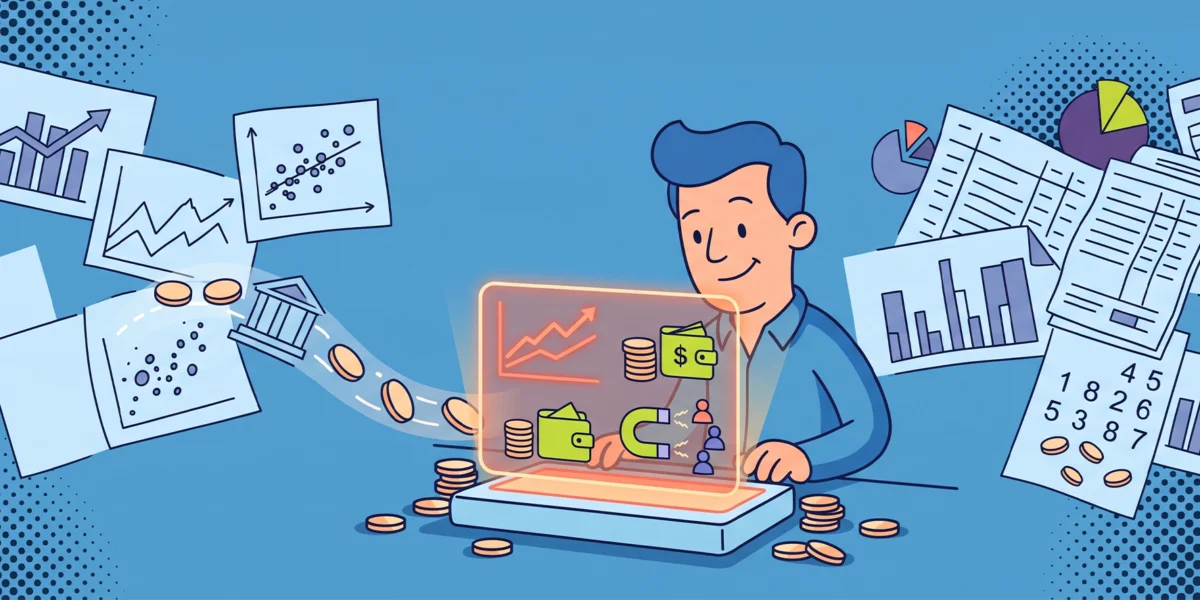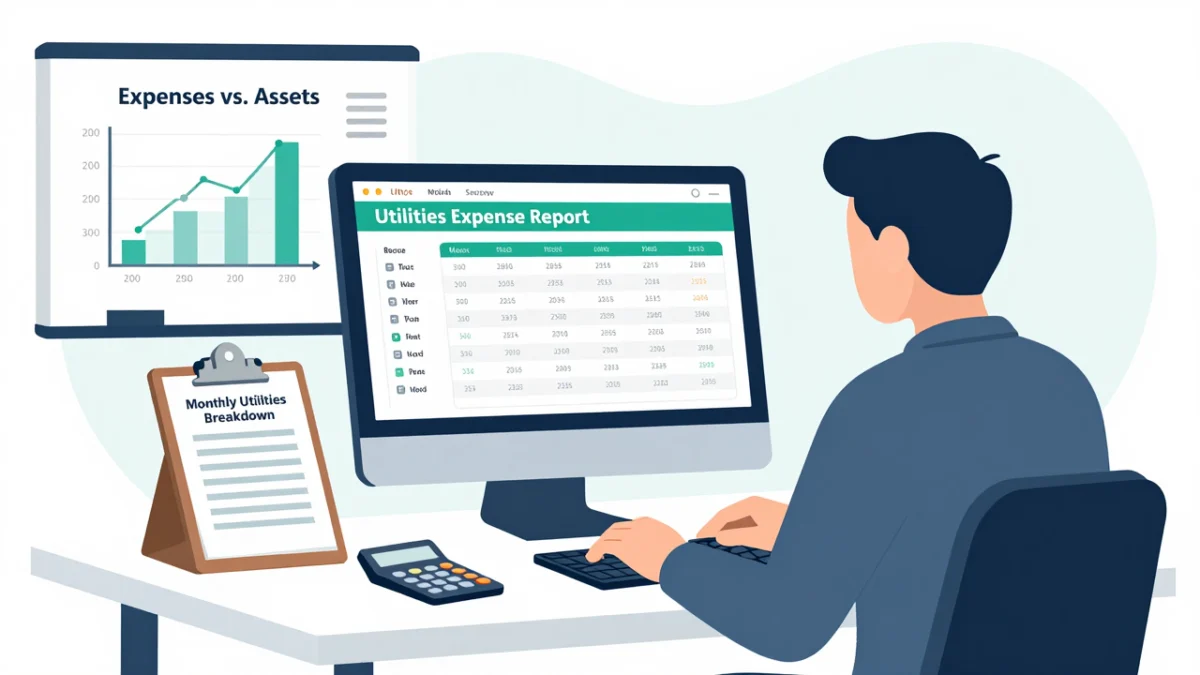
In the modern digital landscape, email marketing has reached a point of diminishing returns for brands that rely on a "one-size-fits-all" approach. You are likely sending high-volume campaigns to thousands of subscribers who, within your Email Service Provider (ESP), appear identical. They share the same list, receive the same segments, and are targeted by the same promotional logic.
However, beneath that surface-level data lies a complex reality. Within a single list of customers who purchased a moisturizer in the last 90 days, you have vastly different personas: the individual treating chronic dry skin, the thoughtful gift-giver, and the budget-conscious shopper. Treating these three distinct individuals as a monolith is a strategic failure. This is the gap that zero-party data—information intentionally and proactively shared by the customer—is designed to bridge.
The Evolution of Consumer Data: From Inference to Intent
To understand the shift in digital marketing, one must examine the chronological progression of data collection. Historically, brands relied on third-party cookies—data scraped from external sites to track user behavior across the web. As privacy regulations tightened and browsers like Safari and Chrome began phasing out these cookies, the industry pivoted toward first-party data.
First-party data relies on behavioral tracking: what a customer clicked, what they browsed, and what they purchased. While more reliable than third-party data, it remains rooted in inference. If a customer clicks on a link for a high-end serum, a marketer infers they have a higher budget or an interest in anti-aging. Inference, however, is not truth.
Zero-party data skips the inference step entirely. It is the information a customer provides during a direct dialogue with a brand. When a user completes a skincare quiz and explicitly states, "I have oily skin and a budget under $50," they have provided a direct signal. No guesswork is required. This represents a fundamental shift in the marketing paradigm: moving from observing what a customer does to understanding what they need.
The Mechanics of Data Collection: Quizzes and Surveys
For the modern e-commerce brand, the challenge is not just collecting data, but doing so in a way that provides value to the user.
The Power of the Pre-Purchase Quiz
A high-performing quiz is the most effective tool for zero-party data collection. It serves three distinct functions:
- Data Acquisition: It captures structured, actionable data that can be mapped directly to a subscriber’s profile.
- Engagement: It provides an interactive, gamified experience that feels like a service rather than data extraction.
- Segmentation: It allows for personalization before the first purchase.
The success of a quiz lies in its intent. Users engage with quizzes because they are looking for a specific outcome—a recommendation or a solution. If the quiz is too long (ideally keeping it under eight questions) or if the results page is generic, the user will abandon the process. Furthermore, the mapping of this data is critical. If an answer to "skin type" does not trigger a specific, tailored email flow, the data remains dormant and useless.
Post-Purchase Surveys: Filling the Knowledge Gaps
While quizzes are top-of-funnel engines, post-purchase surveys are essential for deepening the relationship. Sending a survey 24 to 48 hours after delivery allows brands to ask qualitative questions: Why did you buy this? What outcome were you hoping for?
These insights often reveal segments that purchase data cannot detect. For example, discovering that 40% of your supplement sales are actually gifts changes your entire communication strategy. You can now nurture these users with content relevant to gifting rather than self-use, drastically increasing the likelihood of future conversions.
Building Trust Through Preference Centers
The most common failure in email marketing is the binary choice offered to users: "Receive all our emails" or "Unsubscribe from everything." This "all-or-nothing" approach leads to high churn rates.
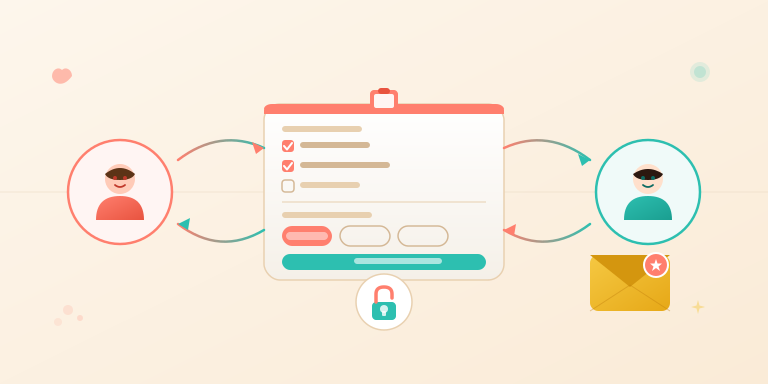
A Preference Center acts as a middle ground that empowers the subscriber. By allowing users to choose the topics, content types, and frequency of their emails, brands transform the relationship from a broadcast channel to a curated experience. When a subscriber takes the time to manage their preferences, they are signaling a desire to stay. They are no longer "tolerating" your emails; they are curating them.
Implications for Scalability and Conversion
The primary implication of this data-driven shift is the necessity of a sophisticated infrastructure. Collecting data is easy; putting it into action at scale is the challenge.
The Role of Automation
Every piece of zero-party data must map to a specific segment, flow, or content decision. For instance, a subscriber who identifies as a "beginner" should receive a different onboarding sequence than an "expert." If a customer flags a negative experience with delivery times in a survey, that data should automatically trigger an internal note or a specific service-recovery email flow.
When you combine zero-party data with behavioral first-party signals, you achieve a "360-degree" view of the customer. You are no longer just looking at what they bought; you are looking at why they bought it and what they intend to buy next.
Official Perspective: The Omnisend Integration
Platforms like Omnisend have emerged as the backbone for this strategy. By enabling brands to store custom properties at the subscriber level, these tools turn stagnant data into dynamic, automated workflows. The ability to trigger automations based on specific quiz answers—rather than just "added to list"—is what allows boutique brands to compete with enterprise retailers.
Strategic Outlook: The Future of Email Marketing
The brands that will dominate the market in the coming years will not necessarily be the ones with the largest email lists. Instead, they will be the ones with the most accurate, high-fidelity subscriber data and the technical systems to execute on that data.
The transition to a zero-party data model is, at its core, a move toward radical honesty. When a customer tells you exactly what they need, they are trusting you to use that information to improve their experience. This is not just a marketing tactic; it is the foundation of long-term customer loyalty.
Implementing the Change
For founders and marketing leads, the transition costs are often lower than perceived. Many brands are currently overpaying for disparate tools and failing to utilize the potential of their existing email lists. By consolidating these functions into platforms that prioritize custom properties and dynamic segmentation, brands can see immediate improvements in open rates, click-through rates, and ultimately, customer lifetime value.
The data is there, waiting to be asked for. The brands that win will be the ones that stop guessing and start listening.
For those looking to transition to an email marketing infrastructure built for the future of data, Omnisend offers a migration service that moves flows, lists, and templates in just five days. Foundr readers can access a 50% discount on their first three months by using the code FOUNDR50 during sign-up.