The Federal Motor Carrier Safety Administration (FMCSA) finds itself at a critical crossroads. While the agency continues to push forward with an ambitious, high-stakes regulatory agenda, its internal infrastructure—specifically the rollout of the new "Motus" registration system—remains mired in technical dysfunction. For the trucking industry, the situation has evolved from a temporary inconvenience into a sustained operational hurdle that shows few signs of an immediate resolution.
The State of Motus: A Promise of Stability That Has Yet to Materialize
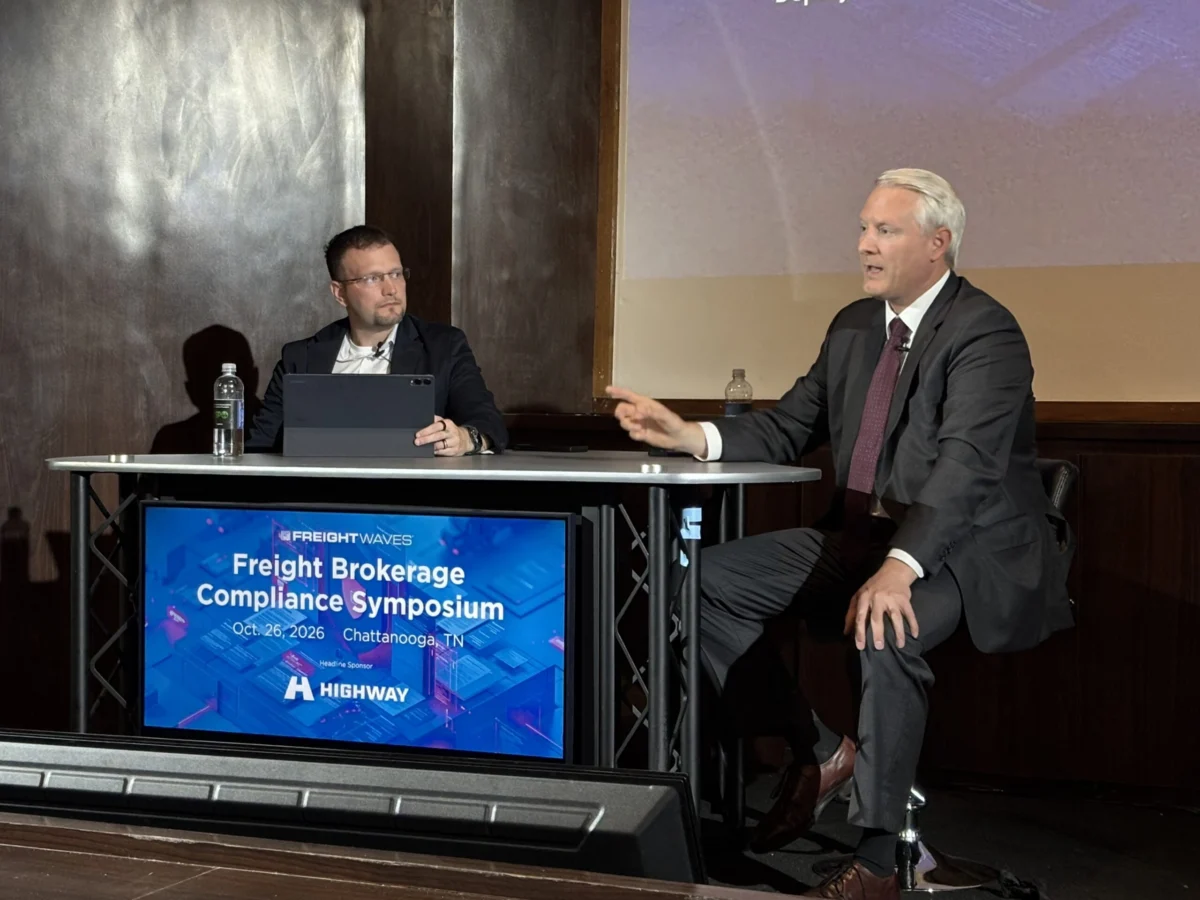
The most significant takeaway from recent industry briefings, including a presentation by agency officials at the National Motor Freight Traffic Association, is the lack of tangible progress regarding the Motus registration portal. Despite initial claims in early October that the agency was merely “weeks away” from ironing out the kinks in the system, subsequent updates have offered little in the way of concrete timelines or successful deployment milestones.
In a recent interview on the FreightWaves podcast, FMCSA representatives attempted to manage expectations, suggesting that while the system is currently in a state of flux, the agency is committed to stabilization. The rhetoric has shifted toward a "weeks, not months" narrative. However, for carriers, owner-operators, and logistics providers attempting to navigate federal compliance, the ambiguity is becoming increasingly difficult to digest.
The "Gatekeeper" Dilemma
The central justification for the persistent technical issues remains the agency’s goal to create a more robust "gatekeeper" system. The Motus platform was designed with the explicit intent of preventing unqualified, fraudulent, or "bad actor" carriers from gaining entry into the industry.
Officials concede that the system’s current "user experience" is, by design, restrictive. The problem, as acknowledged in recent discussions, is that the filter is currently too blunt. It is not merely identifying and blocking the bad actors it was intended to target; it is creating significant friction for legitimate, qualified businesses seeking to enter or operate within the transportation market. The challenge, according to agency leadership, is refining this digital gatekeeping mechanism so that it restores trust without continuing to penalize compliant companies.
Chronology of a Rollout in Crisis
The timeline of the Motus rollout has been characterized by a series of operational setbacks that have left the industry reeling.
- Initial Deployment: The launch of the Motus system was met with immediate technical resistance, ranging from server latency to total portal failure.
- The "Brutal" Early Weeks: Agency officials have characterized the first four to six weeks of the system’s life as "really, really brutal." During this period, the inability of carriers to manage their registration status led to a backlog of compliance documentation that still affects the system today.
- Reactive Adjustments: Recognizing the severity of the bottleneck, the FMCSA was forced to waive certain registration requirements to prevent a total shutdown of industry growth. This move, while necessary, created a temporary "wild west" scenario that the agency is now trying to rectify.
- Current Stabilization Phase: We are currently in what officials describe as a "break-fix" cycle. The agency is attempting to implement patches without triggering cascading failures in other segments of the system—a process that has proven more time-consuming than originally anticipated.
Supporting Data and User Recommendations
The frustration stemming from Motus is not merely anecdotal; it is reflected in the volume of support tickets and the sheer number of carriers unable to perform standard administrative tasks. For those still struggling, the agency’s advice remains reactive rather than proactive.
Navigating the Current Bottleneck
For companies facing immediate registration needs, the FMCSA’s official guidance is: "If you don’t need to go in, don’t go in yet." This directive highlights the severity of the system’s instability. For those who cannot wait, the agency suggests a workaround involving third-party advocacy:
- Insurance Coordination: Reach out to insurance providers to verify if they can act as a bridge for verification requirements.
- Direct Intervention: Contact the FMCSA directly. Agency officials insist they are handling these cases in "real time," though industry feedback suggests that individual outreach remains a high-effort, low-certainty endeavor.
The Political Landscape: A Regulatory "New Era"
The operational struggles of Motus are unfolding against a backdrop of unprecedented regulatory activity under the current Department of Transportation (DOT) leadership, led by Secretary of Transportation Sean Duffy and FMCSA Administrator Derek Barrs. This administration has distinguished itself by its aggressive stance on industry enforcement.
A Period of Unprecedented Enforcement
The current leadership has not shied away from high-profile interventions. From the crackdown on fraudulent Commercial Driver’s License (CDL) schools to the tightening of regulations surrounding non-domiciled CDL holders, the agency is actively attempting to reshape the safety profile of the American trucking industry.
The Motus system was an inherited project, yet the current administration has resisted the temptation to scapegoat predecessors. Instead, they have framed the system as a necessary, albeit painful, step toward long-term modernization. When questioned about the impact of the upcoming elections and potential shifts in executive power, officials remained defiant. They argue that the current regulatory trajectory—characterized by increased oversight and stricter entry standards—will continue regardless of political outcomes, citing strong support from the Secretary’s office as the "game changer" that provides the necessary mandate for these reforms.
Future Implications: The Broker Transparency Rule and Beyond
Looking ahead, the FMCSA is preparing for a significant expansion of its regulatory footprint. Central to this is the highly anticipated "Broker Transparency Rule."
The Transparency Push
While the specific text of the final rule remains under wraps, it is expected to fundamentally alter the relationship between brokers, shippers, and carriers. The rule aims to mandate greater disclosure regarding the financial and operational activities of brokers. For many in the industry, this is seen as a long-overdue correction to address information asymmetry.
FMCSA officials have hinted that this rule is merely the first in a series of forthcoming actions. The agency is currently operating under the framework of its "Unified Agenda," a formal roadmap of regulatory priorities. A top priority within this agenda is the strengthening of the New Entrant Safety Assurance Process.
Proficiency Examinations for New Entrants
The agency is actively considering the implementation of a mandatory proficiency examination for new carrier applicants. The goal is to move away from the current system, where the barrier to entry is largely administrative and self-certified. By introducing a testing component, the FMCSA hopes to ensure that new market entrants are fully aware of, and compliant with, federal safety requirements before they are granted authority.
Furthermore, the agency is looking to eliminate the ability of CDL schools to self-certify their compliance. By moving toward a model of federal oversight and standardized testing, the agency seeks to bring "uniformity across the board," theoretically creating a safer, more predictable, and more accountable industry.
Conclusion: The Long Road to Modernization
The Motus system represents the growing pains of a federal agency trying to drag a massive, fragmented industry into a digital, highly regulated future. While the "brutal" nature of the rollout has caused significant disruption, the FMCSA’s leadership remains steadfast. They view the current technical hurdles as a temporary bridge to a more secure and transparent era of trucking.
However, the industry’s patience is being tested. As the agency moves toward the implementation of more complex rules like the Broker Transparency mandate and new proficiency testing, the underlying infrastructure must prove it can handle the load. For now, the FMCSA is asking for trust, promising that the long-term benefits of a modernized,, safer, and more transparent industry will eventually outweigh the current chaos of the registration portal. Whether that promise holds—and whether the agency can navigate the political and technical storms ahead—remains the defining question for the U.S. trucking sector in the coming year.