In the evolving landscape of American economic development, the most successful communities are those that bridge the gap between academic research and commercial application. Stillwater, Oklahoma, serves as a compelling case study for this phenomenon. As the home of Oklahoma State University (OSU), Stillwater has cultivated a unique ecosystem where "trust" is not merely a social virtue, but a core component of its business strategy.
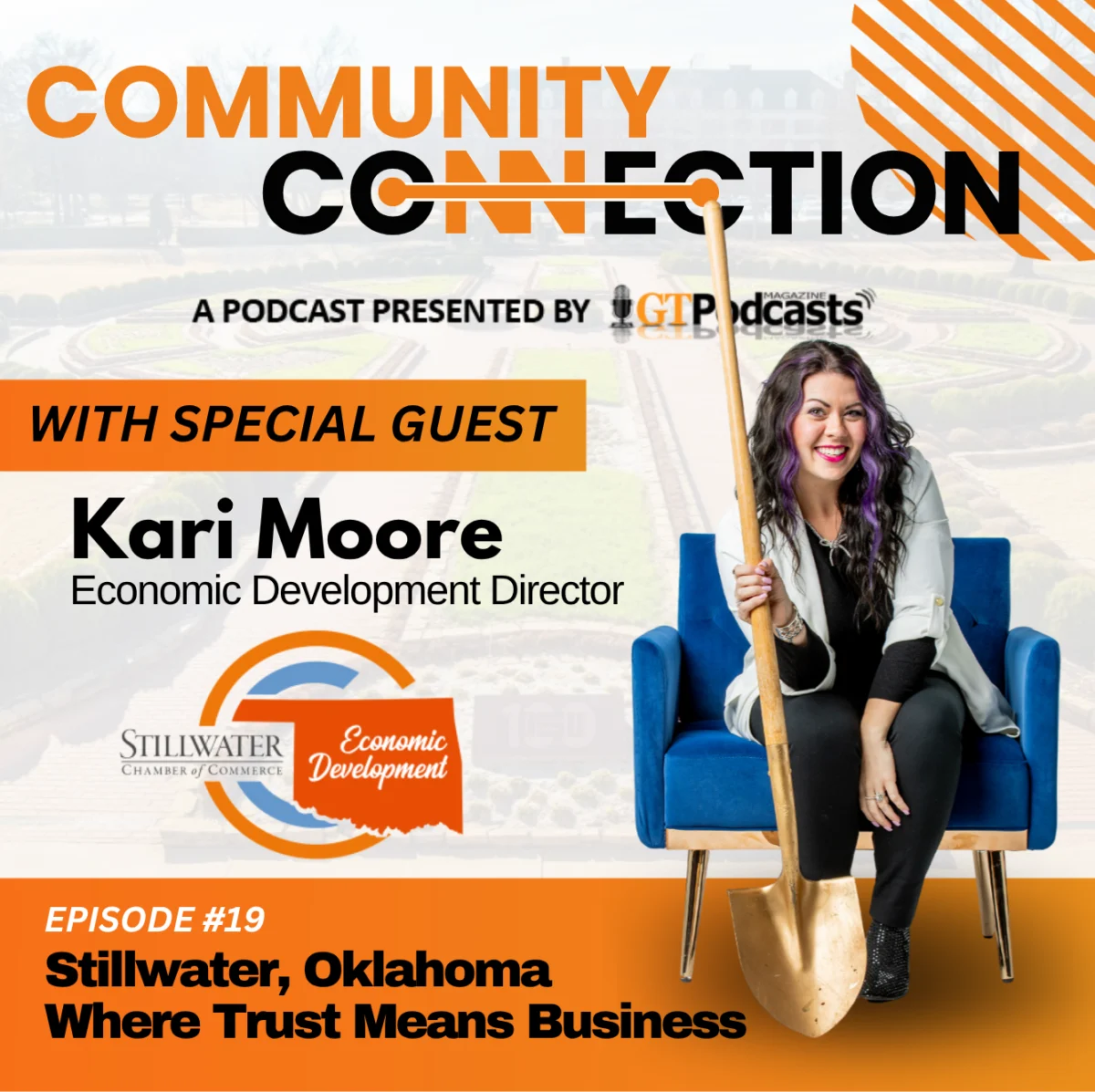
In the latest installment of the Community Connection podcast, presented by Global Trade Magazine, Kari Moore, the Economic Development Director for Stillwater, provides a roadmap for how mid-sized cities can attract investment, foster entrepreneurship, and sustain long-term economic vitality.
The Stillwater Advantage: A Strategic Overview
Stillwater’s economic narrative is defined by its ability to leverage its identity as a quintessential "college town" while aggressively pursuing industrial diversification. For corporate decision-makers and site selectors, the city offers a trifecta of assets: a robust talent pipeline, a collaborative business climate, and an exceptional quality of life that keeps skilled professionals in the region.
The city’s economic development strategy is built on the premise that business expansion is fundamentally a human endeavor. By fostering trust between municipal leaders, the university administration, and the private sector, Stillwater has created a "frictionless" environment for companies looking to relocate or scale their operations.
Chronology of Growth: Building a Foundation
To understand where Stillwater is going, one must look at the intentional path the city has carved over the last two decades.
- The Early 2000s: The city began formalizing its economic development office, shifting from a passive approach to active recruitment. The focus was on leveraging the agricultural and engineering prowess of Oklahoma State University.
- The 2010s: This period saw the rise of the "innovation corridor." By aligning city zoning with the research output of OSU, Stillwater began attracting tech-forward startups and engineering firms.
- The Present Day: Stillwater is currently focused on "The Next Phase," which involves integrating high-tech manufacturing with a local workforce that is increasingly specialized. The city is no longer just a destination for retail or local commerce; it is a contender for regional headquarters and advanced logistics centers.
Supporting Data: Why Stillwater Works
Economic development is rarely successful without a foundation in data-driven decision-making. Stillwater’s appeal to corporations is supported by several key metrics:
1. The Talent Pipeline
With thousands of graduates entering the workforce annually from Oklahoma State University, Stillwater maintains a "youth-plus" demographic advantage. Companies locating here gain immediate access to a pipeline of graduates in engineering, business, veterinary medicine, and aviation—all industries where Stillwater has a competitive edge.
2. Cost of Doing Business
Compared to major metropolitan hubs, Stillwater offers significant tax advantages and lower operational overhead. When combined with the state’s business-friendly legislative environment, the "Total Cost of Ownership" for a facility in Stillwater is markedly lower than the national average for cities of comparable size.
3. Resilience Through Diversity
The local economy is no longer solely dependent on the university. The growth of the regional airport and the expansion of the industrial park have created a diversified tax base. This multi-pillar approach ensures that even during national economic downturns, Stillwater maintains a level of stability that attracts risk-averse investors.
Official Perspective: A Conversation with Kari Moore
In the podcast interview, Kari Moore emphasizes that the "Stillwater model" is rooted in personal relationships. "Business is about people," Moore notes. "When a company comes to us, they aren’t just looking at the tax incentives; they are looking at the ease of doing business. They want to know that the city hall, the chamber, and the university are all pulling in the same direction."
Moore highlights that the role of an Economic Development Director has shifted from a "gatekeeper" to a "facilitator." By removing regulatory hurdles and creating a collaborative environment, the city ensures that the focus remains on innovation rather than bureaucracy.
Addressing Workforce Development
One of the most pressing challenges for any growing city is workforce development. Moore points out that Stillwater’s partnership with OSU is symbiotic. "The university isn’t just an ivory tower; it is an active partner in our workforce ecosystem. We work with the university to align curriculum with the needs of the businesses that are currently operating here."
The Cultural Fabric: More Than Just Business
A city’s economic potential is heavily tied to its "stickiness"—the ability to retain the talent it attracts. Stillwater’s culture plays a pivotal role in this.
The Red Dirt Influence
Stillwater is the spiritual home of "Red Dirt" music, a genre that has deeply influenced the cultural identity of Oklahoma. This, combined with the "Cowboy" traditions of the area, provides a sense of place that is rare in modern, homogenized urban environments. For families and professionals moving from larger cities, this cultural depth provides a sense of community that is often missing in corporate hubs.
Quality of Life Indicators
From its vibrant local dining scene to the outdoor recreational opportunities, Stillwater offers a lifestyle that appeals to the modern workforce—specifically the remote and hybrid workers who prioritize community over the "commuter" lifestyle.
Implications for Corporate Strategy
For site selectors and corporate decision-makers, the implications of the Stillwater model are clear:
- Look Beyond the Tier-1 Cities: Tier-1 cities are becoming prohibitively expensive and saturated. Smaller cities with strong academic anchors offer a higher return on investment regarding talent retention and employee satisfaction.
- Prioritize Ecosystem Integration: The most successful companies are those that embed themselves into the local ecosystem. In Stillwater, this means collaborating with the university, local chambers, and existing business networks.
- Trust as Currency: In a global market, the ability of a city to demonstrate reliability and transparency is a competitive advantage. Stillwater’s emphasis on "trust" reduces the risk profile for incoming companies, making it a "safe harbor" for expansion.
Conclusion: The Path Forward
As Stillwater continues to grow, the city is doubling down on its commitment to innovation and community integrity. The future of economic development lies in this balance—the ability to grow without losing the character that makes a community unique.
By focusing on the intersection of higher education, industrial innovation, and a high quality of life, Stillwater has established a sustainable blueprint for growth. As Kari Moore suggests, the city is not just building buildings; it is building a future where business and community life can thrive in tandem.
Listen to the Episode
For those interested in a deeper dive into these strategies, the full episode of Community Connection (Episode 19) is available now. Listeners can gain further insights into how Stillwater manages its growth, handles its industrial recruitment, and maintains the small-town feel that makes it a special place to live and work.
Resources:
- Subscribe to the Podcast: Apple Podcasts | Amazon Music
- Stillwater Economic Development Authority: growstillwater.org
- Stillwater Chamber of Commerce: stillwaterchamber.org
The story of Stillwater is a testament to the fact that when a community knows who it is and leans into its strengths, economic success is not just a possibility—it is an inevitability. Whether you are a business owner looking for a new home or a site selector evaluating your next project, the "Stillwater Model" is one worth watching closely.