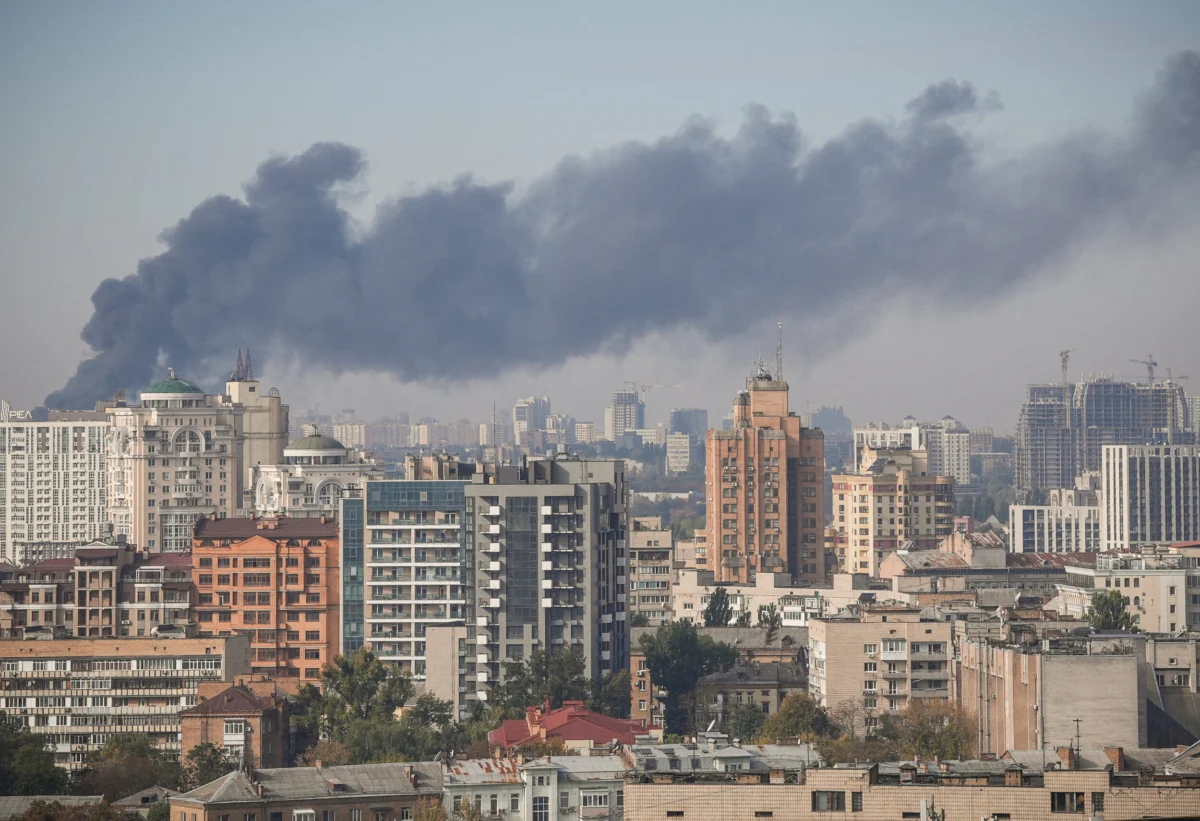
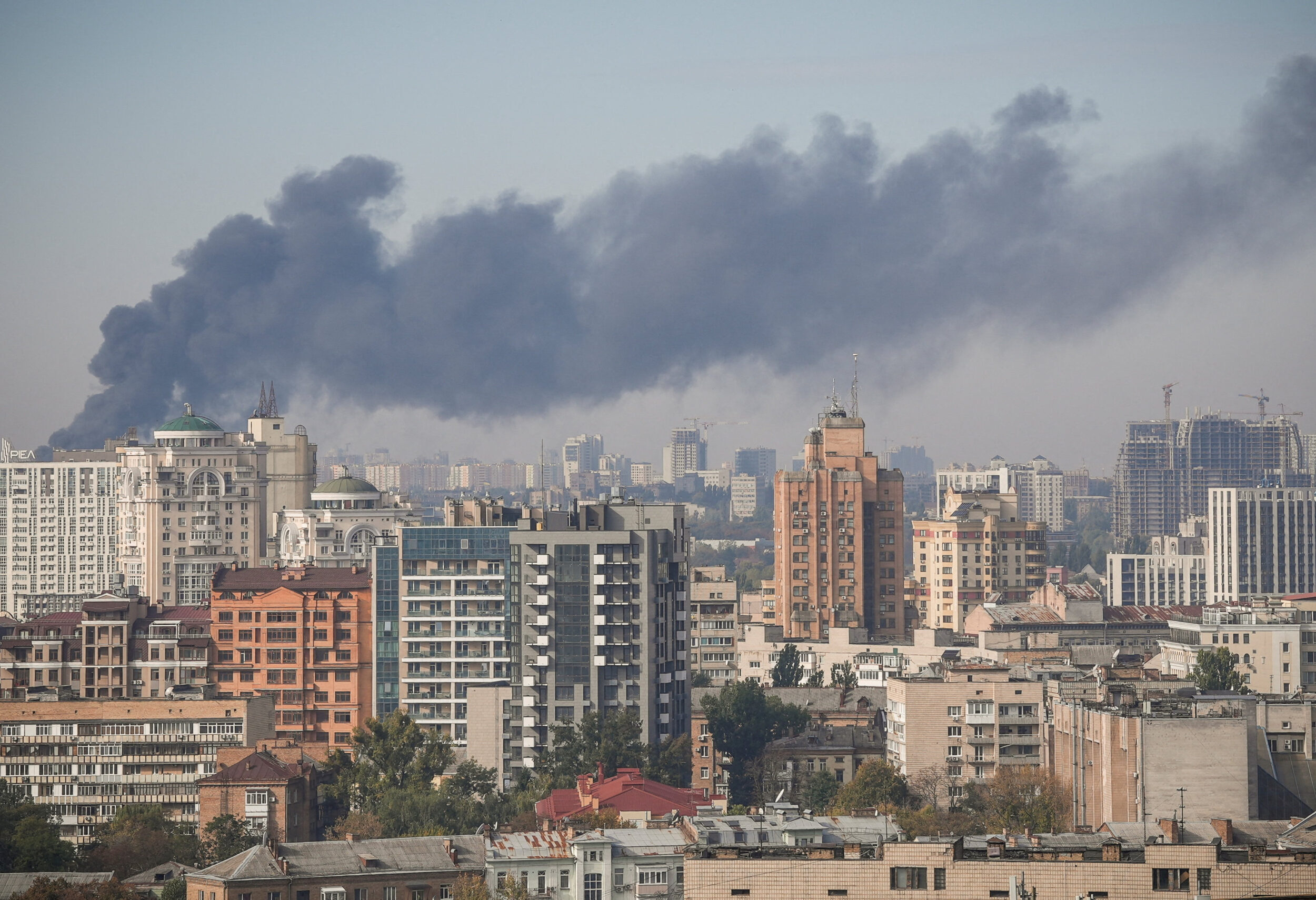
Since the waning days of the 2026 summer season, the skies over Kyiv and major Ukrainian urban centers have been transformed by a chilling new development: the mass deployment of jet-powered Russian attack drones. This tactical shift marks a significant escalation in the ongoing air war, effectively seizing the strategic initiative for Moscow and leaving Ukrainian defense engineers in a desperate, high-stakes race to develop counter-measures. As the conflict evolves, the emergence of these high-speed, maneuverable threats is not merely a local Ukrainian crisis, but a harbinger of a new era in global security.
The Evolution of the Aerial Threat: A Chronology
The use of unmanned aerial vehicles (UAVs) in the Russo-Ukrainian conflict is not a new phenomenon; however, the nature of the threat has undergone a radical evolution.
Phase I: The Propeller Era (2022–2025)
In the early stages of the full-scale invasion, Russia relied heavily on Iranian-designed, propeller-driven Shahed drones. While these loitering munitions caused significant damage to energy infrastructure and civilian morale, they were relatively slow and loud. By 2025, Ukrainian air defense units had become highly proficient at neutralizing these targets, often using domestically assembled, low-cost interceptor drones. At the peak of their proficiency, Ukrainian forces were successfully intercepting nearly 90 percent of these propeller-driven incursions.
Phase II: The Jet-Powered Pivot (Late 2026)
The paradigm shifted in late 2026 with the introduction of jet-powered variants. These systems are significantly faster—often exceeding the speed of their predecessors by a factor of two—and feature advanced guidance systems that make them exponentially harder to track and target. By September 2026, President Volodymyr Zelenskyy confirmed a sobering reality: while Ukraine maintained high interception rates for older models, the success rate against the new jet-powered drones had plummeted to just over 50 percent.
Phase III: The Industrialization of Terror (Present)
Today, the Kremlin utilizes these jets for round-the-clock saturation attacks. By moving production into subterranean facilities—emulating the Iranian model of hardened, underground manufacturing—Russia has effectively insulated its supply chain from Ukrainian preemptive strikes. This creates a relentless "manufacturing cycle" that is increasingly difficult to disrupt through conventional military means.
Supporting Data: Technological Complexity and Global Supply Chains
The threat posed by these jet drones is exacerbated by their sophisticated construction. Recent technical forensic analysis of downed units has revealed a troubling reliance on a globalized supply chain. Despite international sanctions, recovered drones contain multiple critical foreign components, including semiconductors, processors, and navigation modules originating from manufacturers in China, Germany, and the United States.
The speed and maneuverability of these drones allow them to bypass traditional air defense layers. Because they move faster than traditional interceptor drones, Ukraine is currently forced to rely on its dwindling fleet of fighter jets to engage them using air-to-air missiles or onboard cannons. While tactically effective in the short term, this is economically unsustainable. Engaging a low-cost, mass-produced drone with a multi-million-dollar fighter jet represents a gross asymmetry in attrition that plays directly into the Kremlin’s hands.
Official Responses and Strategic Dilemmas
The Ukrainian leadership and its international partners are currently navigating a multifaceted crisis. The official response from Kyiv has been to categorize the drone threat as an urgent national security priority that requires a massive, coordinated effort in defense innovation.
President Zelenskyy’s administration has underscored that the fight is no longer just about territorial defense; it is about establishing Ukraine as a global leader in anti-drone technology. In early 2026, this ambition manifested in proactive security agreements with the United Arab Emirates, Saudi Arabia, Qatar, Kuwait, and Jordan. By offering to share expertise in neutralizing Iranian-style drones, Ukraine positioned itself as a critical security partner for Gulf nations.
However, the rapid upgrade of Russian drone technology threatens to undermine this "technological diplomacy." If Ukraine cannot prove it can neutralize these new jet-powered threats, the confidence of its regional partners in the Gulf may wane. Consequently, the pressure is mounting on Western allies—specifically the United States, Germany, and Japan—to move beyond viewing aid as a charitable endeavor and instead view it as an essential investment in their own long-term national security.

Geopolitical Implications: A Global Arms Race
The reach of this drone technology extends far beyond the borders of Ukraine. The geopolitical architecture of the 21st century is being reshaped by a "shadow alliance" of authoritarian regimes, characterized by the exchange of military know-how and dual-use technology.
The Russia-Iran-North Korea Axis
Ukraine has reported that Russia has already begun sharing its jet-drone blueprints with North Korea. Furthermore, the Financial Times recently reported that Russia has been assisting Iran in the development of supersonic cruise missiles since 2023. This reciprocal exchange—drones for missiles, technology for resources—allows these nations to bypass international sanctions and create a formidable, interoperable military-industrial complex.
These countries are not merely trading parts; they are ideologically aligned in their desire to dismantle the Western-dominated global order. The integration of Russian, Iranian, and Chinese technologies into a single offensive platform creates a "high-tech arms race" that the West is currently struggling to keep pace with.
The Vulnerability of Global Infrastructure
The targets of these drones—which include schools, hospitals, power grids, and transit infrastructure—are designed to make the modern state "unlivable." This is a template for asymmetric warfare that will inevitably be exported to other theaters. Countries in the Middle East, in particular, are watching the skies over Kyiv with trepidation. They recognize that if a capital city as defended as Kyiv can be subjected to constant, high-speed drone harassment, their own critical infrastructure is equally vulnerable.
The Path Forward: A Call for Unified Action
To regain the initiative in the air, the international community must move toward a more integrated defense posture. This requires a three-pronged approach:

- Investment in Interceptor Innovation: The current reliance on fighter jets to intercept drones is a stop-gap measure. International partners must provide the funding and R&D support necessary to scale up production of dedicated, cost-effective counter-drone systems—such as advanced electronic warfare (EW) jammers and autonomous hunter-killer drones.
- Aggressive Supply Chain Enforcement: Sanctions are currently failing to plug the flow of dual-use components into Russia. There must be a more rigorous enforcement mechanism that targets not just the end-users in Russia, but the intermediaries, logistics providers, and banks that facilitate the movement of microchips and jet engine components from China and other parts of the world.
- Collaborative Security Frameworks: Ukraine’s partners must treat the war in Ukraine as a live-fire laboratory for the future of global defense. Joint ventures between Ukrainian defense firms and international aerospace corporations could lead to a new generation of defensive technology that is tested in the crucible of real-world combat.
Conclusion: A Watershed Moment
The invasion of Ukraine has long been recognized as a watershed event in military history, forcing a fundamental rethink of modern combat. The introduction of jet-powered drones represents the latest, and perhaps most dangerous, evolution in this process. As these drones continue to terrorize the civilian population of Ukraine, the world must recognize that this is not merely a regional conflict.
The technologies currently being refined on the Ukrainian battlefield will eventually reach other conflict zones and potentially pose a direct threat to the borders of the democratic world. By partnering with Ukraine to solve the "jet-drone puzzle" now, the international community has the opportunity to fortify its own defenses before these threats become a global standard. The high-tech arms race has begun; the only question remaining is whether the global community will choose to lead it or be forced to react to it from a position of vulnerability.