Introduction: A Nationwide Standstill
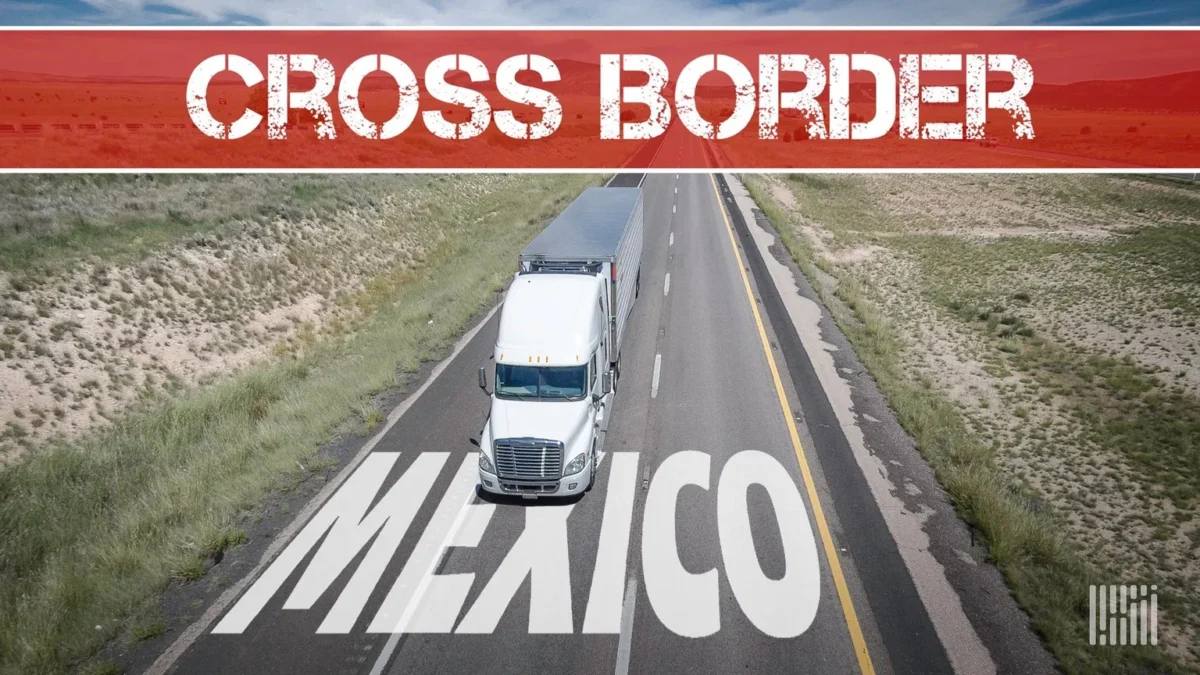
In a move that threatens to reverberate across the North American supply chain, Mexican trucking companies initiated an indefinite, nationwide strike on Monday. Orchestrated by the National Chamber of Freight Transportation (CANACAR) alongside a coalition of regional logistics organizations, the protest is a direct response to a mounting list of grievances—ranging from pervasive highway violence and cargo theft to stifling regulatory and fiscal burdens.
As thousands of heavy-duty vehicles form blockades and slow-moving convoys across major freight arteries, the economic ripple effects are being felt from the industrial heartlands of Monterrey and Mexico City to the critical border crossings of Nuevo Laredo, Reynosa, and Tijuana. For U.S. importers, manufacturers, and logistics planners, the timing could not be more precarious, as the strike targets some of the most vital conduits of cross-border trade.
The Catalyst: A Industry Pushed to the Brink
The decision to strike was not made lightly. CANACAR President Augusto Ramos Melo has described the move as a desperate "last resort" for an industry that has become a primary target for organized crime.
Violence and Insecurity
The foremost driver of the strike is the deteriorating safety situation on Mexican highways. Trucking companies are reporting unprecedented levels of extortion, kidnapping, and cargo hijacking. Drivers are frequently targeted by criminal cartels, leading to not only massive financial losses but also a profound humanitarian crisis for those operating the rigs. The physical danger has reached a point where many carriers are struggling to secure insurance, and the fear factor is contributing to a worsening driver shortage that threatens long-term capacity.
Economic and Fiscal Pressures
Beyond security, the industry is grappling with a combination of rising operating costs and aggressive government fiscal policies. A specific point of contention is the proposed 2027 fiscal package, which includes provisions to reduce the eligibility for tax credits related to highway toll expenses. For an industry operating on razor-thin margins, this reduction represents a significant blow to profitability. Furthermore, carriers report that excessive towing fees and a labyrinth of bureaucratic hurdles are compounding the financial strain, rendering traditional business models increasingly unsustainable.
Chronology of the Escalation
The descent into industrial action followed months of failed dialogues between the transport sector and the federal government.
- Pre-Strike Negotiations: Throughout early 2024, CANACAR leadership held intermittent meetings with the Mexican Secretariat of Infrastructure, Communications and Transportation (SICT). Despite promises of enhanced security patrols, the incidents of cargo theft continued to rise.
- The Announcement: Late last week, CANACAR officially called for the mobilization, rejecting the government’s previous incremental proposals as "insufficient to address the structural decay of the sector."
- Monday Morning Mobilization: As of Monday morning, fleets began positioning themselves at strategic logistics hubs. Major intersections in Nuevo Laredo—the gateway to the world’s busiest inland port—were among the first to experience significant slowdowns.
- The Standoff: While the Interior Ministry issued a public plea for the trucking associations to return to the negotiating table, claiming that other factions had already reached a compromise, CANACAR leadership held firm. They maintained that until concrete legislative changes are made, the demonstrations will continue.
The Strategic Importance of the Affected Corridors
The impact of this strike is amplified by the geography of Mexico’s freight network. The affected regions are not merely local roads; they are the lifelines of the United States-Mexico-Canada Agreement (USMCA) trade corridor.
Nuevo Laredo: The Gateway to Texas
Nuevo Laredo acts as the primary funnel for goods moving from Mexico into the U.S. interior. A significant portion of automotive parts, electronics, and agricultural perishables cross this border daily. Disruptions here can create an immediate "bullwhip effect," where a one-day delay at the border results in factory shutdowns in the American Midwest due to just-in-time delivery failures.
Tijuana and the West Coast
The protests in Tijuana threaten the flow of goods into Southern California. With major logistics hubs in the San Diego/Los Angeles area relying on consistent cross-border throughput, any prolonged bottleneck will likely manifest as increased drayage costs and container detention fees at the Port of Long Beach and Los Angeles.
Official Responses and Political Maneuvering
The Mexican government finds itself in a delicate position. On one hand, the Interior Ministry is desperate to maintain the flow of commerce to prevent a broader economic contraction. On the other, the government is under intense pressure to balance the federal budget, which is the primary reason behind the proposed changes to the 2027 fiscal package.
The government’s public stance has been one of conciliatory pressure. By highlighting that "several other transportation organizations had agreed to talks," the government is attempting to fracture the coalition of protesters. However, by ignoring the core demands regarding security, the government risks losing the confidence of the larger, more established firms that form the backbone of the national supply chain.
Implications for the U.S. Market
The U.S. economy is intrinsically linked to the stability of Mexican trucking. The current strike has several immediate and long-term implications for stakeholders:
1. Supply Chain Volatility
Manufacturers in the automotive and aerospace sectors, which rely heavily on cross-border components, are the most vulnerable. If the strike persists, we can expect a pivot to air freight or rail, both of which are significantly more expensive and currently lack the capacity to absorb the massive volume of road-bound cargo.
2. Inflationary Pressures
Increased security costs, higher insurance premiums, and the potential loss of tax credits for carriers will inevitably be passed down to the consumer. In the current economic climate, this could add to the inflationary pressures affecting manufactured goods and produce prices in U.S. grocery stores.
3. Regulatory Uncertainty
If the strike results in a legislative reversal of the 2027 fiscal package, it may signal a new era of volatility in the Mexican business environment. Conversely, if the government refuses to budge, the industry may see a mass exodus of smaller carriers, leading to market consolidation and reduced long-term competition in the freight market.
Supporting Data: The Cost of Insecurity
While the strike is a singular event, it is backed by years of deteriorating metrics:
- Cargo Theft Statistics: According to recent industry reports, cargo theft in Mexico has seen double-digit percentage increases annually over the last three years, with high-value electronics and pharmaceuticals being the most targeted commodities.
- Operational Costs: Fuel price volatility, coupled with rising maintenance costs and the "security tax" (the added cost of private escorts and hardened logistics), has caused the cost-per-mile for Mexican carriers to spike by an estimated 15-20% compared to pre-pandemic levels.
- The "Towing" Tax: Trucking companies have long complained about the predatory nature of private towing services in Mexico, which are often cited for charging exorbitant rates after accidents or breakdowns, adding a layer of unpredictable expense that the government has largely failed to regulate.
Conclusion: The Road Ahead
As the sun sets on the first day of the strike, the outcome remains deeply uncertain. For the trucking companies, this is a fight for the survival of their business models and the safety of their employees. For the government, it is a test of its ability to manage fiscal policy without triggering a national logistics crisis.
The international business community will be watching the border crossings closely over the next 48 to 72 hours. Should the convoys remain in place, the disruption will move from an inconvenience to a systemic failure. The resolution of this crisis will likely require a multifaceted approach—one that addresses the immediate fiscal complaints of the truckers while also presenting a comprehensive, long-term national strategy to combat the cartels that have turned the highways into zones of conflict.
Until then, shippers and carriers are advised to prepare for significant delays, review their contingency logistics plans, and monitor the situation in real-time as the movement continues to evolve across the Mexican landscape.