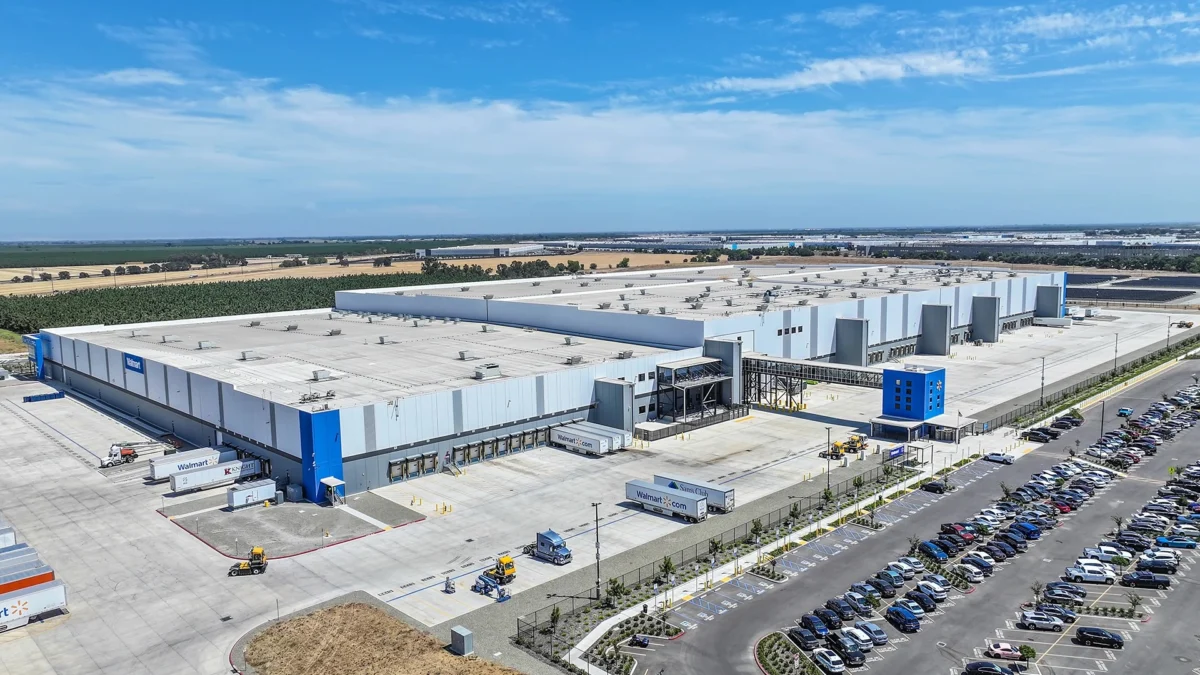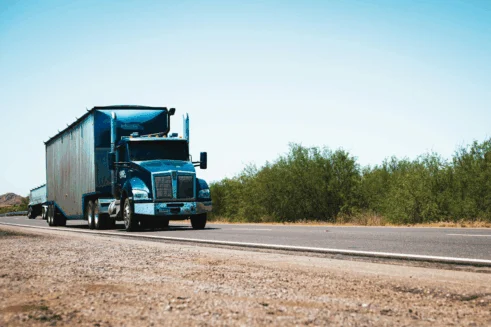
The United States economy is fundamentally powered by the trucking industry. Every day, millions of commercial vehicles traverse the nation’s vast highway network, delivering everything from essential medical supplies to perishable food and heavy industrial components. However, this critical logistics backbone operates under a complex, multi-layered regulatory framework designed to prioritize public safety, driver welfare, and environmental sustainability. For carriers, owner-operators, and logistics managers, understanding the distinction between federal mandates and state-specific requirements is not merely a legal obligation—it is a cornerstone of operational viability.
The Foundation: Federal Oversight and Regulatory Scope
At the heart of the U.S. trucking regulatory environment is the Federal Motor Carrier Safety Administration (FMCSA), an agency housed within the U.S. Department of Transportation (DOT). The FMCSA serves as the primary arbiter of safety standards, tasked with reducing crashes, injuries, and fatalities involving large trucks and buses.
Defining the Commercial Vehicle
Regulatory oversight is not reserved solely for the long-haul 18-wheeler. The federal definition of a "commercial vehicle" is broad. Generally, any vehicle with a Gross Vehicle Weight Rating (GVWR) or Gross Combination Weight Rating (GCWR) of 10,001 pounds or more that is used for business purposes falls under the FMCSA’s jurisdiction. This threshold captures a wide array of vehicles, including delivery vans, construction trucks, and smaller logistics transport units, all of which must adhere to rigorous maintenance, documentation, and safety protocols.
Core Federal Mandates
The FMCSA’s regulatory reach covers several critical domains:
- Hours of Service (HOS): To combat driver fatigue, federal law dictates strict limits on how many hours a driver may operate a vehicle within a 24-hour cycle and a weekly period.
- Size and Weight Restrictions: To preserve infrastructure and maintain road safety, the DOT enforces maximum weight limits for axles and total vehicle weight, varying by road classification.
- Hazardous Materials (HazMat): Specialized protocols govern the labeling, packaging, and transport of dangerous goods to prevent catastrophic environmental or public health disasters.
The Dual-Layered Reality: Federal vs. State Regulations
While the FMCSA provides the baseline, the landscape is complicated by the fact that individual states possess the authority to enforce their own commercial statutes.
The Convergence of Laws
Most states have adopted the FMCSA regulations as the foundation for their own state-level commercial laws. This creates a baseline of uniformity, but it does not eliminate the need for vigilance. If a state regulation is more stringent than the federal counterpart, the state law takes precedence for intrastate travel. Failure to comply—whether through a logging error, a missed safety inspection, or a weight violation—is frequently categorized as professional negligence, exposing carriers to debilitating fines, litigation, and, in the event of an accident, significant criminal and civil liability.
Regional Snapshots: A Case Study in Regulatory Diversity
The patchwork nature of U.S. trucking laws is best illustrated by looking at specific state-level mandates that deviate from, or build upon, federal standards.
Arizona: Zero Tolerance for Impairment
Arizona is widely regarded as having some of the most aggressive anti-DUI legislation for commercial drivers. Recognizing the immense destructive potential of an impaired operator behind the wheel of an 80,000-pound vehicle, Arizona law imposes severe penalties. A first-time conviction can result in a mandatory 10-day jail sentence and a license suspension lasting 990 days. Repeat offenders face escalating consequences, including automatic felony charges and multi-year suspensions, effectively ending careers and ensuring that safety is prioritized over leniency.
Colorado: The Winter Hazard Standard
Colorado’s geography necessitates some of the most stringent chain laws in the nation. During winter months, the state’s high-altitude mountain passes become treacherous. Colorado law requires all commercial vehicles to be equipped with chains on the four primary drive tires when conditions mandate. Non-compliance is met with steep financial penalties—a $500 fine plus a $79 surcharge for failure to chain up, rising to over $1,000 if the vehicle blocks a lane of traffic. This policy reflects the state’s proactive stance on preventing the gridlock and accidents that frequently plague mountainous interstate transit.
New York: Addressing the Workforce Gap
The logistics industry is currently grappling with a severe driver shortage, exacerbated by an aging workforce and supply chain disruptions. New York has taken a progressive step by launching a "Young Adult CDL" program. By allowing 18-to-20-year-olds to acquire a Class A Commercial Driver’s License, the state is attempting to infuse the industry with new talent. This represents a significant shift from the traditional 21-year-old age requirement, though it is coupled with rigorous training standards to ensure safety remains uncompromised.
Washington, North Carolina, and New York: Cargo Securement
Cargo securement is a non-negotiable safety requirement. Whether a driver is hauling construction debris, agricultural goods, or high-value automotive components, the freight must be immobilized. However, the legal consequences for failure vary. In Washington, improper securement can lead to gross misdemeanor charges. North Carolina, meanwhile, has tailored its securement laws to account for specific industries, such as the logistics chains supporting NASCAR, which require specialized attention to the securement of race cars and heavy equipment.
Environmental Mandates: The California Initiative
Perhaps the most significant shift in trucking history is currently occurring in California. The California Air Resources Board (CARB) has pioneered the most aggressive emissions standards in the world.
From Diesel to Electric
In 2020, California set a precedent by mandating a transition from diesel-powered engines to electric, zero-emission vehicles. Starting in 2024, the state began enforcing rules that require manufacturers to prioritize zero-emission truck production. The long-term goal is nothing short of revolutionary: a requirement that all new trucks sold in California be zero-emission by 2045. This move is forcing a total rethink of fleet management, refueling infrastructure, and logistics planning across the entire United States, as carriers operating in California must adapt their procurement strategies to remain compliant.
Implications for the Industry
The sheer volume and variety of these regulations have profound implications for the trucking industry.
- Administrative Burden: Compliance is no longer a task that can be handled by a single manager. Large fleets now require dedicated departments to monitor state-by-state regulatory changes, track driver hours, and ensure vehicle maintenance logs are audit-ready.
- Litigation Risks: The legal environment surrounding trucking accidents is increasingly data-driven. Plaintiff attorneys now utilize electronic logging device (ELD) data and compliance history as primary evidence in civil litigation. A carrier’s failure to adhere to even minor regulatory updates can be framed as systemic negligence, significantly increasing jury awards in accident cases.
- The "Clean" Fleet Investment: For companies with long-term growth plans, the transition toward green energy is a financial reality. Investing in electric or low-emission fleets is a significant capital expenditure, but it is increasingly becoming a cost of doing business in major economic hubs.
Conclusion: The Path Forward
The trucking industry remains the lifeblood of the American economy, yet it is a sector under constant scrutiny. As technology evolves and environmental concerns take center stage, the regulatory framework will only become more intricate. For those who own, operate, or work within this industry, ignorance of the law is not a viable defense.
Successful logistics companies of the future will be those that view compliance not as a burden, but as a competitive advantage. By staying ahead of state-specific nuances—from Colorado’s mountain chains to California’s emission targets—carriers can protect their drivers, safeguard their assets, and ensure the consistent, safe delivery of goods across the nation. For further information on specific federal compliance requirements, industry stakeholders should consistently reference the FMCSA’s official regulatory repository.
Author Bio
Slawomir Platta is a distinguished attorney who earned his law degree from the University of Florida Levin College of Law and the University of Warsaw. With two decades of experience litigating complex truck accident cases in New York, Mr. Platta has become a leading authority on commercial transportation liability. He has been recognized as a "Super Lawyer" consecutively since 2015, dedicated to advocating for victims of trucking negligence and ensuring the enforcement of safety standards on the nation’s roadways.