By Editorial Staff
Published July 24, 2026
In an era defined by volatile global markets and shifting consumer demands, Conagra Brands—the powerhouse behind iconic staples like Healthy Choice, Birds Eye, and Slim Jim—is embarking on a rigorous transformation of its operational infrastructure. Following a period marked by significant supply chain disruptions, the food manufacturing giant has unveiled a comprehensive strategy aimed at shedding complexity, embracing artificial intelligence, and ensuring that every product in its massive portfolio provides tangible value to the bottom line.
Main Facts: A Pivot Toward Simplification
The core of Conagra’s current strategy is a transition from reactive crisis management to proactive, data-driven optimization. As executives outlined during recent fiscal briefings, the company is moving to consolidate its operational footprint, focusing on three pillars: maintaining high service levels, optimizing the product mix, and aggressively reducing inventory days.
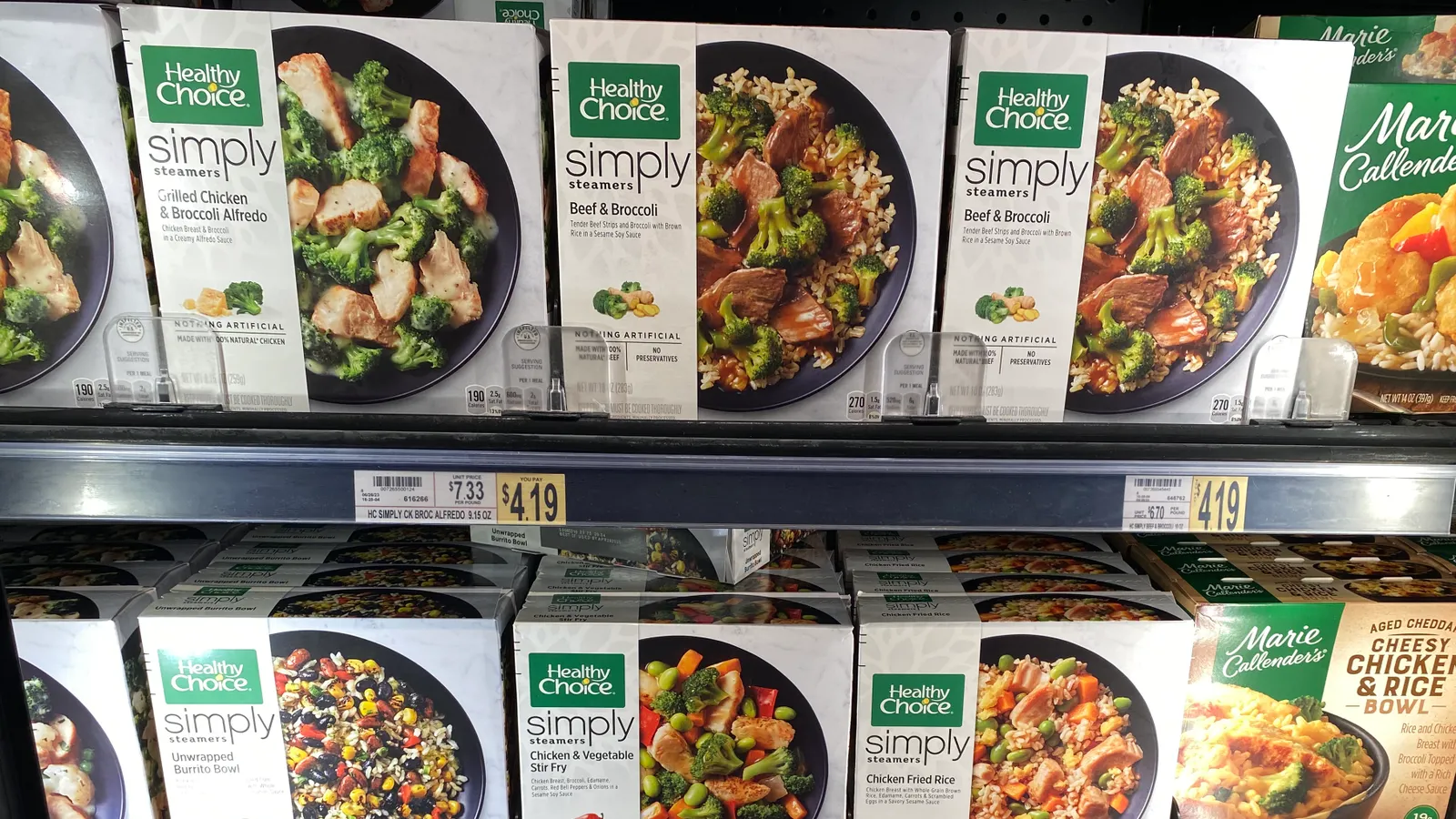
Perhaps the most significant development is the scrutiny placed on Conagra’s expansive product catalog. With 5,500 SKUs (stock-keeping units) currently active, the company is initiating a portfolio-wide evaluation. The directive is clear: every product must "earn its keep." This move represents a departure from traditional "growth-at-all-costs" SKU proliferation, signaling that Conagra is prioritizing margin health and operational flow over sheer volume.
Chronology of Challenges and Strategic Responses
The impetus for this pivot did not emerge in a vacuum. Conagra’s journey over the past two years has been a masterclass in the necessity of supply chain resilience.
- Fiscal Year 2025 (The Crisis Phase): Conagra faced a series of cascading failures that exposed deep vulnerabilities in its logistics and procurement networks. These included significant production stalls in the poultry segment, a major shortage of frozen vegetables, and the inflationary impact of tariffs on tinplate steel, which hampered the production of canned goods.
- Late 2025 (The Capital Investment Phase): Recognizing that "business as usual" was no longer tenable, the company committed roughly $450 million in capital expenditures. This was not merely to maintain existing assets but to fundamentally reinforce the supply chain against future shocks.
- December 2025 (Project Catalyst): Conagra introduced "Project Catalyst," a technology-heavy initiative designed to reengineer and automate core business processes. This program signaled the beginning of a shift toward AI-integrated manufacturing.
- July 2026 (The Execution Phase): As of this month, the company has codified its strategy to spend 4% to 5% of its annual net sales on capital expenditures, ensuring that modernization remains a permanent fixture of the budget rather than a one-time fix.
Supporting Data and Financial Context
The necessity for this transformation is supported by both internal performance metrics and broader industry trends. According to Matthew Neisius, senior director of investor relations, the decision to peg capital expenditure at 4% to 5% of net sales provides a stable foundation for long-term growth.
This fiscal discipline comes at a time when the broader CPG (Consumer Packaged Goods) sector is grappling with the legacy of "over-engineered" supply chains. Conagra’s focus on reducing "days of inventory" is a direct response to the cost of capital and the risks of product obsolescence. By tightening the inventory cycle, the company aims to free up working capital that can be redeployed into the AI initiatives central to Project Catalyst.
The financial logic is straightforward: Complexity is an invisible tax on profitability. By streamlining the product mix, Conagra expects to reduce the "noise" in its manufacturing plants, allowing for longer production runs, less frequent changeovers, and ultimately, a more responsive supply chain that can pivot faster when market conditions shift.
Official Responses: The Philosophy of Execution
The executive sentiment at Conagra is marked by a candid acknowledgement of past inefficiencies. The overarching philosophy driving the current overhaul is that "complexity can be the enemy of execution."
In recent discussions, leadership has emphasized that the company’s organizational structure and operational workflows had become bloated. The ongoing "simplification process" is being viewed not as a cost-cutting exercise alone, but as a cultural shift. The goal is to strip away the layers of process that have historically hindered the company’s ability to execute at scale.

"I really believe complexity can be the enemy of execution," a spokesperson noted, echoing sentiments shared by top leadership. "We’re going to really get after simplification, both in our organization and how we get work done." This directive applies from the corporate boardroom down to the shop floor, where automation and AI are expected to replace manual, error-prone tasks.
Implications: The Future of the CPG Supply Chain
Conagra is not acting in isolation. The food and beverage manufacturing landscape is undergoing a broader, industry-wide reckoning.
1. The Industry-Wide Overhaul
Conagra’s actions mirror those of its competitors. General Mills, for instance, recently announced a massive overhaul of its supply chain, noting that its current infrastructure was built for a lower-volume era and is no longer fit for the modern marketplace. Similarly, Procter & Gamble has fully deployed its "Supply Chain 3.0" initiative, which leverages sophisticated digital platforms to create a more integrated, responsive global network.
2. The Role of Technology and AI
The implications for the workforce are profound. As Conagra integrates AI into its manufacturing facilities, the nature of work within these plants will change. The shift toward automation suggests that the company is looking for a workforce capable of managing complex, data-driven systems rather than just traditional manual labor. Project Catalyst acts as the roadmap for this transition, aiming to turn raw data into actionable insights that optimize everything from procurement timing to inventory placement.
3. The Impact on Retail Partners
For retailers like Wegmans or other grocery chains, these changes will likely result in a more reliable, albeit potentially leaner, product offering. While there may be fewer fringe products on the shelves, the availability of core, high-performing staples is expected to improve. By ensuring that every SKU "earns its keep," Conagra is essentially promising its retail partners a more efficient distribution model that minimizes stockouts of the products that consumers actually want.

4. Long-Term Market Positioning
The ultimate goal of this transformation is to build a "resilient foundation." By investing heavily in capital improvements today, Conagra is betting that it can outmaneuver future economic headwinds that would cripple less prepared competitors. The move to reduce inventory days and simplify the SKU count is a play for agility—the ability to scale up production of high-demand items while simultaneously pruning underperforming assets.
Conclusion: A New Standard for Stability
Conagra Brands is clearly signaling that the future of food manufacturing lies in the intersection of disciplined financial management and aggressive technological adoption. By moving away from the complexity that defined its recent past, the company is positioning itself to be more than just a manufacturer; it is aiming to become a nimble operator capable of navigating the unpredictable terrain of the late 2020s.
The success of these initiatives will be measured in the coming quarters. If the company can successfully navigate the SKU rationalization process without alienating consumers, and if Project Catalyst delivers the promised efficiency gains, Conagra could set a new benchmark for operational excellence in the CPG sector. For now, the message to investors and stakeholders is one of measured confidence: the era of complexity is over, and the era of simplified, high-velocity execution has begun.