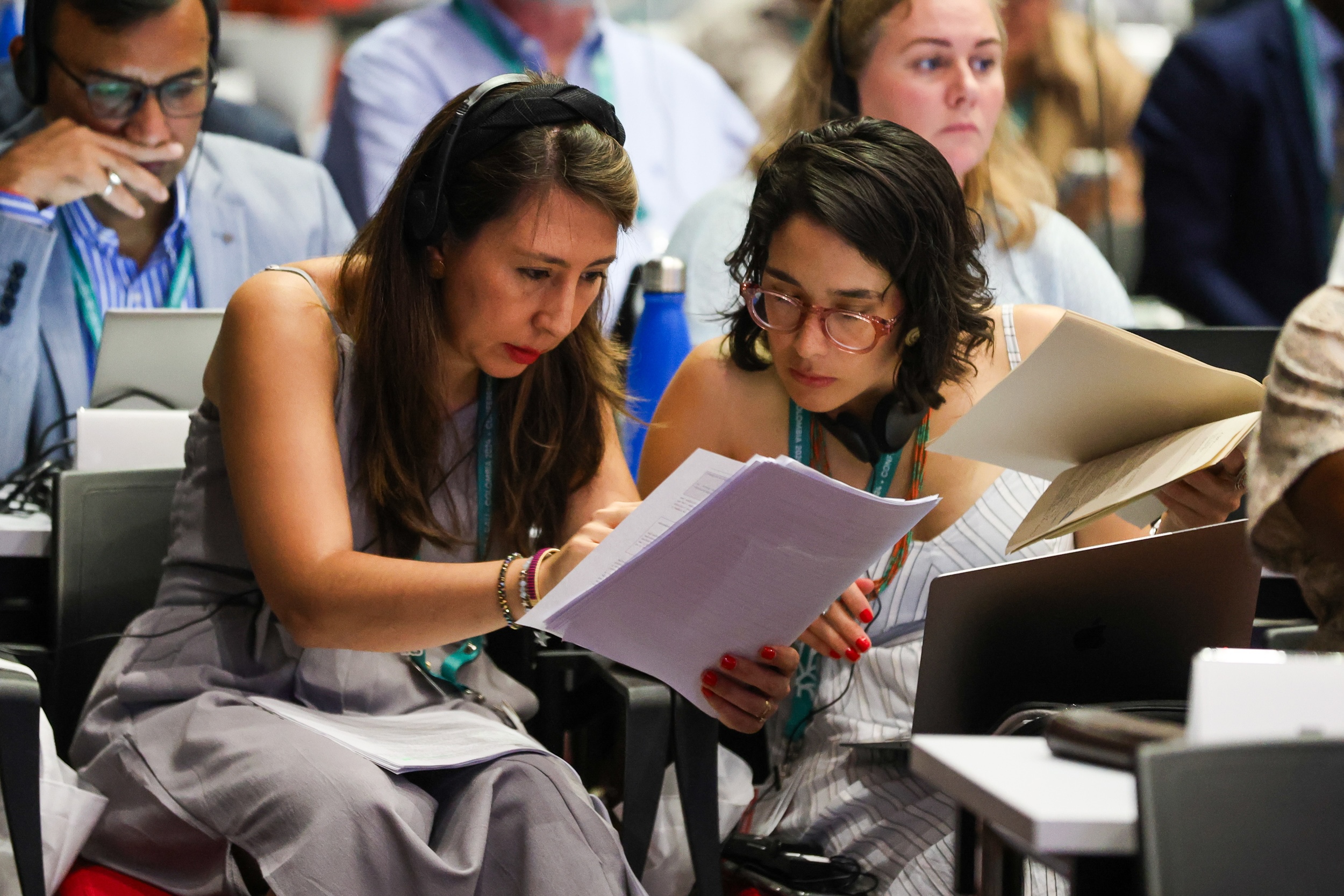
As global diplomats descend upon Yerevan, Armenia, for the latest round of negotiations under the UN Convention on Biological Diversity (CBD), the atmosphere is one of both urgency and palpable anxiety. From October 19 to 30, representatives from 196 parties will convene to navigate a labyrinth of legal texts and policy decisions, marking a critical juncture in the history of international conservation efforts.
This summit represents the midpoint between the landmark adoption of the Kunming-Montreal Global Biodiversity Framework (GBF) and the 2030 deadline for achieving its ambitious targets. With the world currently failing to meet 22 out of 23 established goals, the Yerevan talks are not merely procedural; they are a vital attempt to course-correct a global strategy that is teetering on the edge of failure.
The Main Facts: A Midpoint Reality Check
The Kunming-Montreal Global Biodiversity Framework was hailed as the "Paris Agreement for Nature" when it was finalized. However, recent reports from the CBD secretariat indicate a sobering reality: global progress is insufficient. The framework, which seeks to halt and reverse biodiversity loss, relies on a delicate balance of international cooperation, technical implementation, and, most importantly, sustained financial commitment.
In Yerevan, the agenda is packed. Beyond the primary COP sessions, delegates will engage in "Meetings of the Parties" (MOPs) for the two supplemental protocols to the CBD:
- The Cartagena Protocol: Governing the safe transfer, handling, and use of living modified organisms (biosafety).
- The Nagoya Protocol: Establishing rules for the fair and equitable sharing of benefits arising from the utilization of genetic resources.
While the CBD boasts 196 parties, these protocols involve 173 and 141 members respectively, reflecting the complexity of navigating diverse national interests regarding biotechnology and the "digital sequence information" of biological materials.
Chronology: From Montreal to Yerevan
The current state of affairs is the result of a long, often fractious diplomatic journey.
- 2022 (Montreal): The adoption of the Kunming-Montreal Global Biodiversity Framework, setting 23 targets to be achieved by 2030.
- 2024 (Cali, Colombia): The COP16 summit was marked by significant tension, particularly surrounding resource mobilization. The failure to reach a consensus on financial mechanisms led to an unprecedented suspension of the summit.
- 2025 (Rome): A resumed session of COP16 was convened in Italy to salvage the progress made in Cali. Countries successfully negotiated a roadmap for a permanent financial mechanism, a win that set the stage for the current discussions in Armenia.
- 2026 (Yerevan): The current summit serves as the "great test." It is here that parties must transform the theoretical roadmaps created in Rome into concrete, actionable policies that can be monitored and verified.
Supporting Data: Navigating the "Brackets" of Diplomacy
In the world of UN diplomacy, the document is the battlefield. Negotiating texts are riddled with "square brackets"—a shorthand for text that has yet to be agreed upon. The presence of these brackets indicates unresolved friction between parties.
To aid in tracking these developments, observers are using sophisticated tools to analyze the "bracket density" of the draft decisions. A high concentration of red-coded brackets signals deep-seated ideological or economic disagreements. Furthermore, the use of "options" and "alt" (alternative) text allows nations to hedge their bets, presenting multiple, often contradictory, pathways for implementation.

The Role of Subsidiary Bodies
The heavy lifting of technical drafting occurs within the three CBD subsidiary bodies:
- SBSTTA (Scientific, Technical and Technological Advice): Ensuring decisions are grounded in the latest ecological data.
- SBI (Implementation): Focusing on how nations actually put these plans into effect.
- SB8J (Article 8(j)): Specifically addressing the rights and roles of Indigenous peoples and local communities, a body that gained significant prominence following the outcomes of COP16 in Cali.
The Finance Impasse: A Tale of Two Hemispheres
If nature is the subject of the summit, finance is its engine. The central conflict in Yerevan revolves around how to fund the massive shift required to protect biodiversity.
The divide is stark:
- The Global South: Nations home to the world’s most biodiverse ecosystems are calling for a dedicated, autonomous financial mechanism under the direct control of the CBD. They argue that existing channels are too bureaucratic, inaccessible, or influenced by donors who do not share the urgency of developing nations.
- The Global North: Many developed nations advocate for maintaining the status quo, utilizing the existing Global Environment Facility (GEF). They argue that creating new, parallel financial structures would be inefficient and fragmented.
This disagreement is not just about logistics; it is about sovereignty. Developing nations feel that without direct control over funding, they cannot be expected to meet the aggressive conservation targets set by the GBF. The failure to reconcile these views nearly derailed the entire COP process in 2024, and it remains the single greatest threat to a successful outcome in Yerevan.

Official Responses and Strategic Implications
As delegates arrive in Yerevan, the official sentiment from the UN leadership is one of "cautious urgency." The CBD Executive Secretary has repeatedly emphasized that the 2030 targets are "not optional" if humanity wishes to avoid the catastrophic collapse of essential ecosystem services, from pollination to water purification.
The Strategic Stakes
- Credibility of the UN Process: If the CBD fails to show progress at this halfway mark, it risks losing its legitimacy as the primary venue for global environmental governance.
- Market Certainty: The private sector is watching these negotiations closely. Businesses need clear, standardized regulations to assess their biodiversity risks. Ambiguity in the legal text leads to paralysis in the private financial sector.
- Indigenous Rights: The integration of the SB8J body into the core of the negotiations marks a shift toward recognizing traditional knowledge as a pillar of conservation. A failure to empower this body could alienate the very communities that manage a significant portion of the world’s remaining wilderness.
Looking Ahead
The outcomes of the Yerevan summit will dictate the trajectory of environmental policy for the remainder of the decade. If countries can move past the "bracketed" disagreements and solidify the financial roadmap agreed upon in Rome, there is a narrow but viable path to reaching the 2030 targets.
However, the history of these negotiations suggests that the final days—and nights—of the summit will be characterized by intense, closed-door bargaining. The world is watching to see if the rhetoric of the Montreal Framework can be converted into the reality of protected landscapes, sustainable agriculture, and equitable resource sharing.
In Yerevan, the question is no longer whether we know what to do to save nature, but whether the international community has the political will to pay for and implement those solutions. As the clock ticks toward 2030, the time for diplomatic delay is rapidly evaporating. The decisions made in the coming fortnight will serve as a definitive litmus test for whether the world is truly committed to a nature-positive future.