In 2025, the global voluntary carbon market saw approximately 150 million metric tons of carbon credits retired—a significant figure that masks deep-seated complexities regarding project integrity, verification, and environmental impact. As scrutiny over "greenwashing" intensifies, a select few corporations are setting a new, more rigorous benchmark for how to navigate this opaque landscape.
A collaborative investigation by Trellis and Calyx Global, an independent rater of carbon projects, has identified three industry heavyweights—Salesforce, Autodesk, and EY—that currently lead the market in prioritizing high-rated carbon credits. By analyzing their portfolios, we gain a rare window into the strategies that define responsible carbon procurement in an era where the definition of a "high-quality" credit remains a subject of intense debate among climate scientists and market analysts.
Main Facts: The Pursuit of Quality in a Disputed Market
The core challenge of the voluntary carbon market is the lack of a universal consensus on credit quality. Because independent raters often disagree on the efficacy of specific project types—such as forest conservation versus industrial methane capture—there is no single "gold standard." However, by cross-referencing retirement records from the world’s four primary registries (Verra, Gold Standard, ACR, and the Climate Action Reserve) with Calyx Global’s risk-based assessment framework, a pattern emerges.
The "leaderboard" identified by Calyx highlights companies that have managed to maintain high average credit ratings despite the inherent volatility of the market. Among companies retiring at least 100,000 tons of credits in 2025, only Salesforce, Autodesk, and EY achieved an average rating of BBB or higher. This achievement is particularly notable given the scale of their portfolios: Salesforce retired roughly 1.74 million credits, while EY retired 1.25 million.
Performance Overview of Market Leaders
| Company | Average Credit Score | Approximate Credits Retired | Percentage Rated by Calyx |
|---|---|---|---|
| Salesforce | A | 1,740,000 | 80% |
| Autodesk | BBB to A | 170,000 | 67% |
| EY | BBB | 1,250,000 | 75% |
Chronology: The Evolution of Due Diligence
The journey toward these high-quality portfolios did not happen overnight. It is the result of a multi-year shift in corporate climate strategy, moving from simple "offsetting" to a more sophisticated risk-mitigation approach.
- Pre-2022: Many corporations treated carbon credits as a commodity, prioritizing low-cost credits to meet broad net-zero claims. This era was marked by high volumes of low-quality credits, which eventually led to widespread criticism regarding "additionality"—the requirement that a project’s climate benefits would not have occurred without the funding from credit sales.
- 2023–2024: Following a series of high-profile investigative reports that questioned the validity of major forest-protection projects, the market experienced a "trust deficit." Companies like Salesforce and Autodesk began formalizing their internal due diligence, integrating third-party risk assessments like those provided by Calyx Global into their procurement processes.
- 2025 (The Current Landscape): The implementation of new regulatory requirements, such as California’s landmark climate disclosure laws (requiring large companies to report details on their carbon credit purchases), has forced transparency to the forefront. This year marks a turning point where "buying on faith" has been replaced by "buying on evidence."
Supporting Data: The Pivot to Superpollutants
One of the most striking findings in the recent analysis is the strategic shift toward "superpollutants." While traditional carbon markets have long focused on carbon dioxide, the leading buyers are increasingly allocating capital toward projects that target methane and refrigerant gases.
These gases are significantly more potent than carbon dioxide in the short term, often responsible for up to half of current global warming. By mitigating these, companies achieve a more immediate climatic impact.
- EY has focused on methane capture at landfill sites, such as their project in Recife, Brazil.
- Autodesk and Salesforce have invested in the destruction of stockpiles of unused refrigerant gases in Chile and Thailand—a strategy that prevents potent greenhouse gases from leaking into the atmosphere.
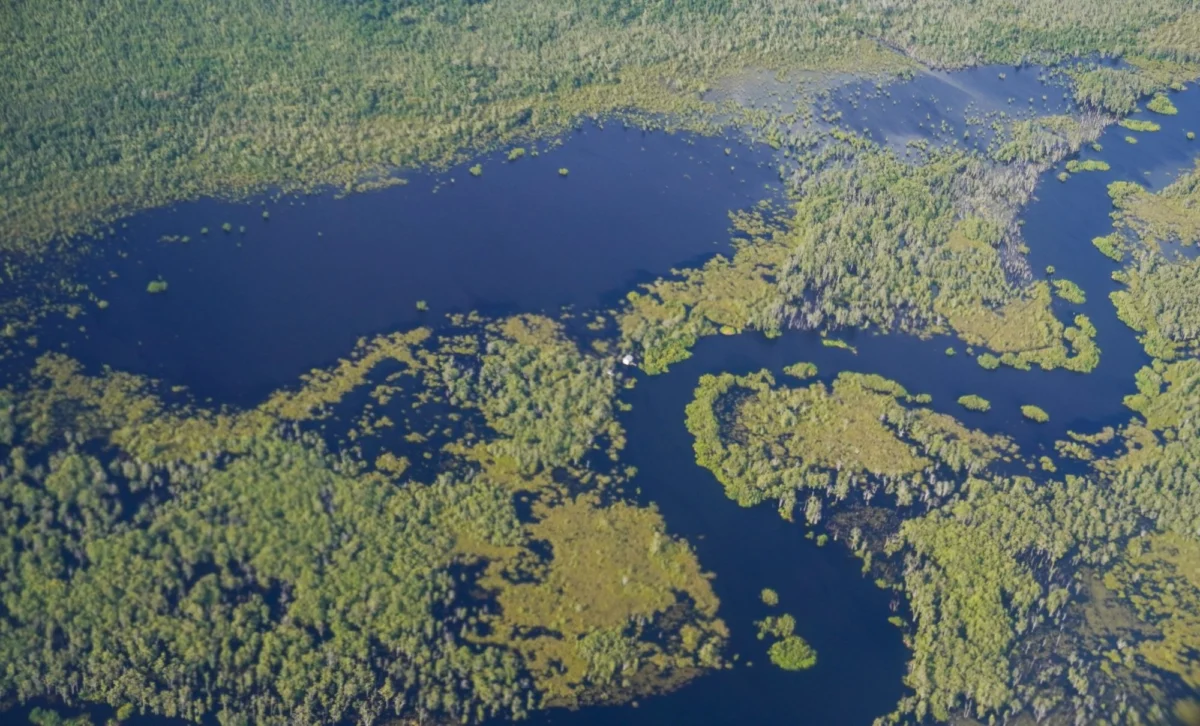
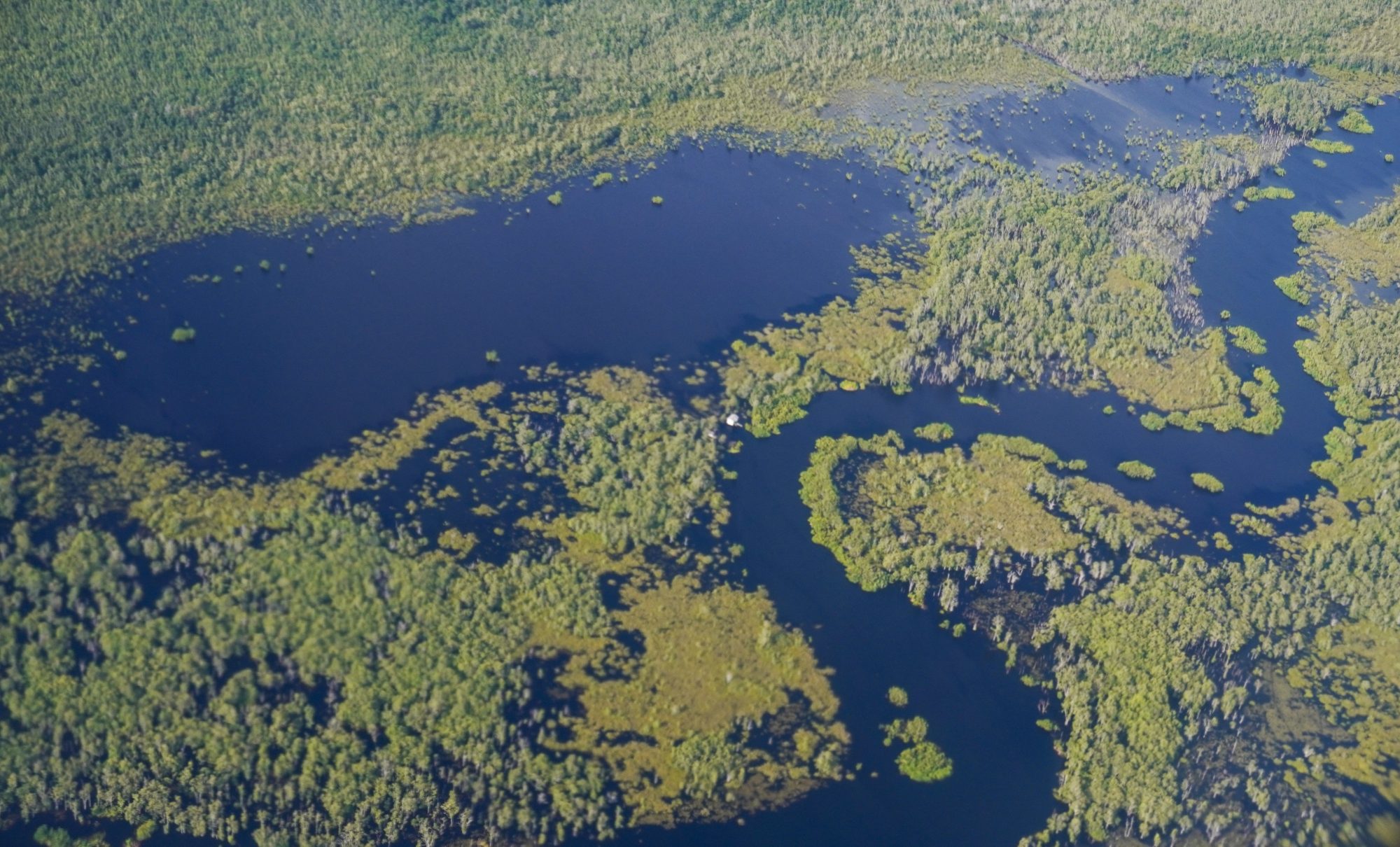
Despite the excitement around superpollutants, these companies have not abandoned nature-based solutions. Both EY and the Salesforce/Autodesk cohort continue to invest in forest conservation, such as projects protecting peat swamp forests in Indonesia and tropical forests in Malaysia. While these projects carry higher risk profiles according to Calyx, they demonstrate a commitment to biodiversity and long-term ecosystem preservation, provided they are managed under strict, verifiable rules.
Official Responses: Strategy and Intent
The leaders of this shift emphasize that carbon credits are only one piece of a much larger decarbonization puzzle. They are not intended to replace internal operational emissions reductions.
"We know that we can’t offset our way to 1.5 degrees Celsius," notes a representative for Salesforce. "That’s why we don’t count our carbon credit retirements towards our emissions reduction targets." This sentiment is echoed by Autodesk, where the focus remains heavily on decarbonizing internal operations first.
According to Lou Mark, senior manager for sustainable operations and ESG at Autodesk, the primary hurdle in procurement is the question of "additionality." The company uses a multi-faceted due diligence approach to ensure that every credit purchased represents a genuine, net-new atmospheric benefit.
While the companies remain tight-lipped about the exact financial details of their portfolios, the internal mechanism is clear: Autodesk utilizes a "Carbon Fund," supported by an internal price on carbon. In the 2026 fiscal year, the company deployed $6.5 million through this fund at a price of $34 per metric ton of CO2 equivalent. Salesforce has gone a step further, with a public commitment to spend $100 million on carbon dioxide removal by 2030, signaling a long-term investment in high-durability technologies rather than just short-term credits.
Implications: A Blueprint for Smaller Buyers
The success of these industry leaders offers a roadmap for smaller organizations that lack the massive due diligence budgets of a Salesforce or an EY. The implications for the wider market are threefold:
- Risk-Based Purchasing: Companies should not aim for a perfect portfolio immediately. Instead, they should adopt a risk-based approach, utilizing independent ratings to categorize their current holdings and systematically phasing out projects that fail to meet "BBB" or equivalent standards.
- Portfolio Diversification: The "superpollutant" strategy proves that high-impact, non-CO2 projects offer a way to generate immediate, verifiable climate benefits. Diversifying a portfolio to include these technologies alongside nature-based projects can mitigate the volatility associated with any single project type.
- Regulatory Preparedness: With California’s disclosure laws and the European Union’s evolving climate standards, the "wild west" of carbon credits is closing. Companies that establish transparent, verifiable, and high-quality procurement policies now will be better positioned to meet the legal and reputational demands of the coming decade.
Ultimately, the lesson from the Calyx leaderboard is that while there is no "universal" definition of a high-quality credit, there is a universal standard of behavior: rigorous investigation, a focus on verifiable outcomes, and an unwavering commitment to prioritizing internal decarbonization over external offsets. As the market matures, the companies that thrive will not be those with the largest budgets, but those with the most disciplined strategies for identifying the truth behind the credits they buy.