By Rosemary Potter
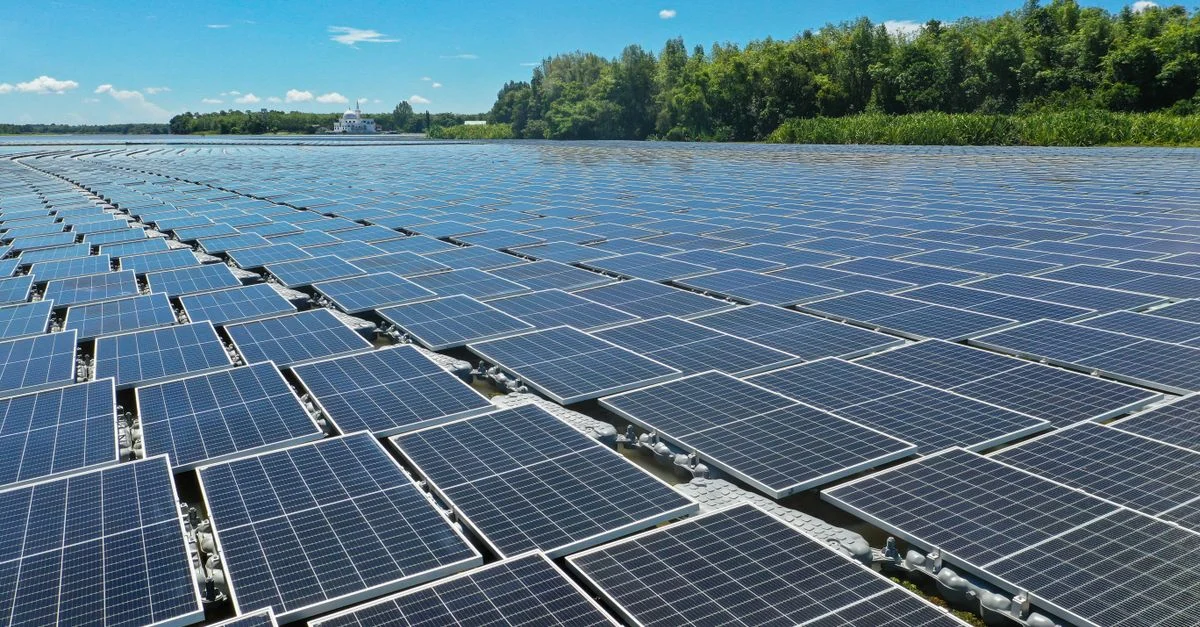
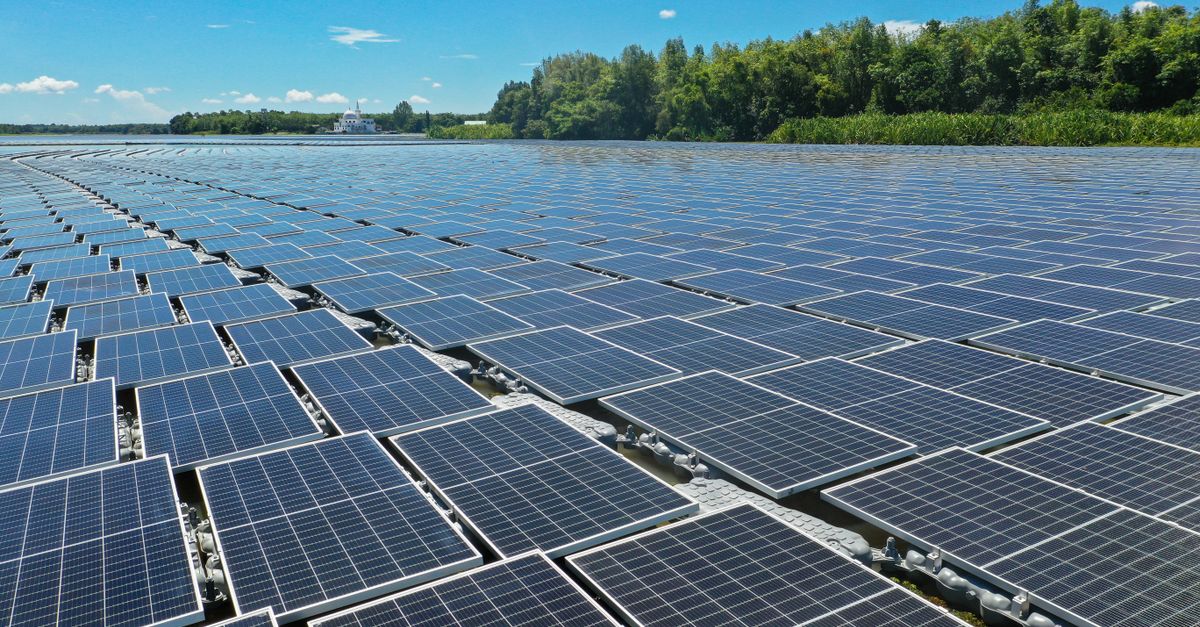
In a development that signals a profound shift in the global energy landscape, China has officially crossed a threshold once considered unthinkable for the world’s largest consumer of fossil fuels. As of July 2026, the nation’s cumulative installed solar photovoltaic (PV) capacity has surpassed that of its coal-fired power plants. According to the latest data released by the National Energy Administration (NEA), China’s solar capacity reached 1.286 billion kilowatts, narrowly edging out the 1.285 billion kilowatts attributed to its coal fleet.
While the margin between the two sources remains slim, the psychological and structural significance of this milestone cannot be overstated. For decades, China’s industrial engine has been fueled almost exclusively by coal. To see the rise of solar energy—a technology that was, until recently, viewed as a supplementary niche—reach parity with the backbone of the country’s power grid represents a pivotal moment in the global transition toward decarbonization.
The Chronology of a Green Revolution
The road to this milestone was neither accidental nor overnight. It is the culmination of a decade-long strategic pivot directed by Beijing, aimed at addressing severe domestic pollution, enhancing energy security, and positioning China as the undisputed leader in the global green technology supply chain.
- 2015–2019: The Foundation Phase: China began scaling its manufacturing capacity for PV modules, leveraging economies of scale to drive down costs globally. During this period, solar was integrated into the grid as a targeted policy instrument.
- 2020: The "Dual Carbon" Pledge: President Xi Jinping announced the historic goal of peaking carbon dioxide emissions before 2030 and achieving carbon neutrality by 2060. This injected unprecedented urgency into renewable energy infrastructure projects.
- 2023–2024: Accelerated Deployment: The government streamlined permitting processes and expanded ultra-high-voltage (UHV) transmission lines to move power from the sun-drenched, sparsely populated western provinces to the industrial hubs in the east.
- 2025: The Record-Breaking Year: China installed a staggering 315 gigawatts of solar capacity and 119 gigawatts of wind power in a single year. These two sectors combined accounted for more than 80% of all new electricity generation capacity added to the grid, according to the China Electricity Council.
- July 2026: The Crossover: Official NEA statistics confirm that solar capacity has officially overtaken coal, marking the end of coal’s uncontested dominance in installed infrastructure.
Supporting Data: Dissecting the Numbers
While the headline figures are impressive, energy analysts urge a nuanced reading of the data. Installed capacity represents the maximum potential output of a facility under ideal conditions; it is not synonymous with actual power generation.
Coal plants are "baseload" assets, meaning they operate continuously, providing a steady, reliable flow of electricity regardless of weather conditions. Solar power, by contrast, is intermittent—it produces energy only when the sun is shining. Therefore, even with 1.286 billion kilowatts of solar capacity, the actual kilowatt-hours generated by coal remain higher because of its high "capacity factor."
However, the growth trajectory is undeniable. Between January and July 2026, China’s photovoltaic power generation increased by 15.5% compared to the same period in 2025. This surge suggests that advancements in battery storage technology and grid management are successfully mitigating the intermittent nature of solar power. Furthermore, the 2% decline in coal-fired electricity generation observed in 2025—the first such drop in six years—indicates that renewables are beginning to cannibalize the demand for coal, rather than just meeting new energy requirements.
Official Responses and Strategic Policy Shifts
Beijing’s official rhetoric has evolved alongside these statistics. Where the narrative once focused solely on energy security via domestic coal extraction, it now emphasizes the "Green Transition" as a vehicle for "High-Quality Development."
The National Energy Administration has signaled that the next phase of the energy transition will focus on "system flexibility." This includes massive investment in pumped hydro storage, lithium-ion battery arrays, and the development of a "smart grid" capable of balancing supply and demand in real-time.
Industry representatives within the China Electricity Council have noted that the challenge is no longer just "building more panels." Instead, the focus has shifted to market reform. Officials are currently debating changes to electricity pricing mechanisms that would incentivize power plants to operate in concert with renewable supply, potentially phasing out inefficient, smaller coal plants in favor of highly efficient "peaker" plants that only activate when renewable supply falls short.
Global Implications: A New Era of Climate Politics
The implications of this milestone ripple far beyond China’s borders. As the world’s largest greenhouse gas emitter, China’s ability to bend its emissions curve is the single most important factor in the global effort to limit warming to 1.5 degrees Celsius.
1. Market Dynamics and Global Prices
By scaling solar to such an extent, China has forced a global collapse in the price of photovoltaic modules. This benefits the entire world, making solar energy the cheapest form of electricity generation in many countries. However, it also creates geopolitical tension, as nations in the West struggle to compete with the sheer volume and low cost of Chinese-manufactured green technology.
2. The End of the "Coal-First" Development Model
China’s trajectory provides a blueprint for other emerging economies. If a nation as coal-dependent as China can effectively pivot to renewables while maintaining industrial growth, it weakens the argument that developing nations must rely on fossil fuels to achieve prosperity. The "China Model" of rapid renewable deployment is likely to be studied closely in the Global South.
3. The Remaining Challenge: The "Last Mile" of Decarbonization
The real challenge now is the "last mile." While solar and wind are replacing coal, the coal plants themselves are not being dismantled—many remain in "reserve" status to ensure energy security. The next, more difficult phase of the transition will involve deciding exactly when and how to retire this massive fleet of coal assets without jeopardizing the country’s industrial base.
Conclusion: A Milestone, Not a Destination
Crossing the threshold where solar capacity exceeds coal capacity is a historic achievement, but it serves as a starting line rather than a finish line. The true success of China’s energy policy will be measured not by how many solar panels are installed on the ground, but by how significantly the carbon intensity of the grid drops in the coming decade.
As we look toward 2030, the world will be watching to see if this trend accelerates. If China can continue to integrate these massive renewable resources while maintaining grid stability, it will demonstrate that the transition to a low-carbon economy is not only technically feasible but economically inevitable. The age of coal, which fueled the industrial revolutions of the 19th and 20th centuries, is facing its twilight in the 21st, replaced by the silent, sun-driven energy that is now, officially, China’s primary source of power potential.
The transition is underway, and the numbers confirm it: the sun is rising on a new energy era.