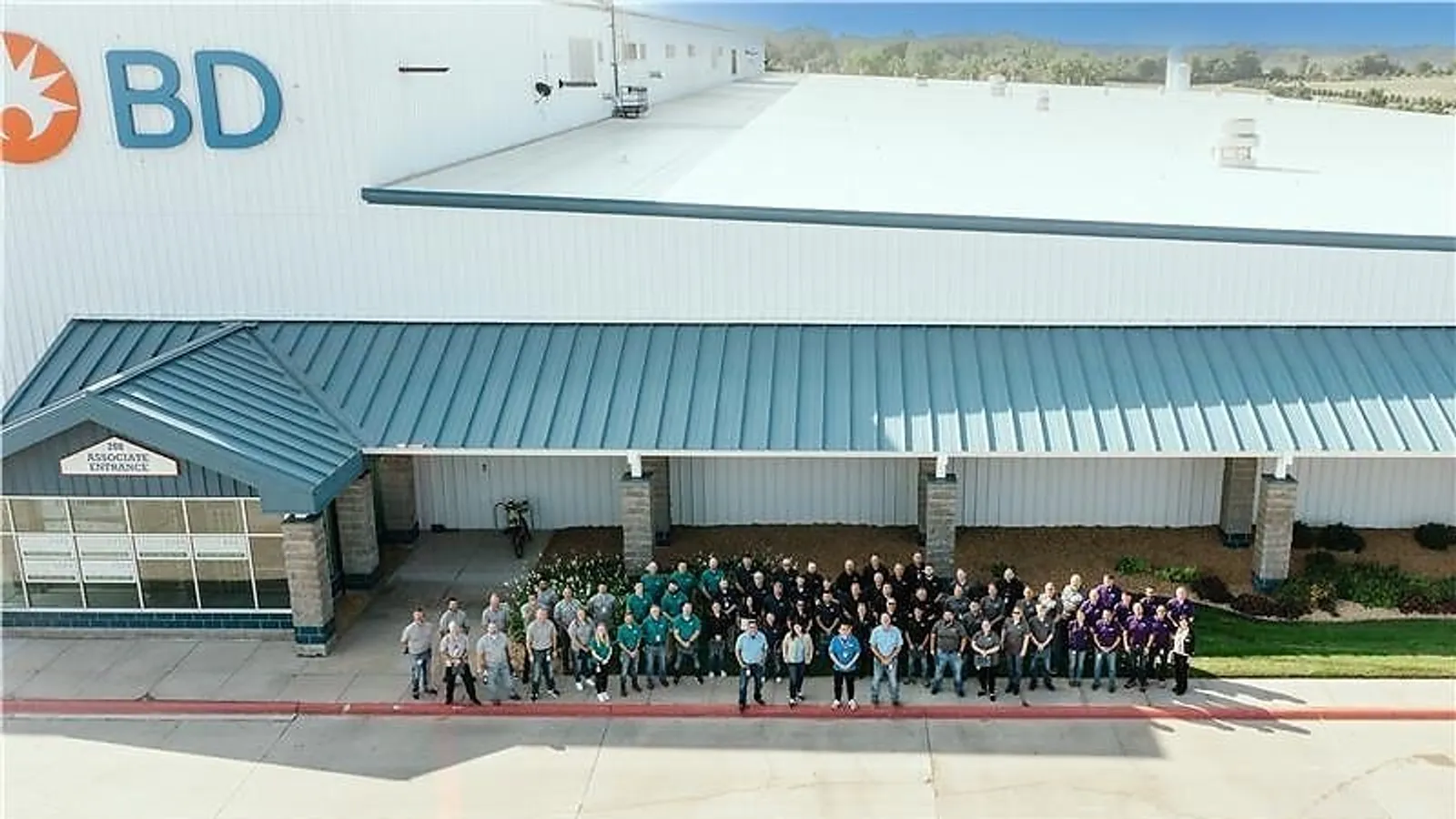
In a significant pivot toward industrial self-sufficiency, medical technology giant Becton, Dickinson and Company (BD) has announced a landmark agreement to dramatically scale up its domestic manufacturing operations. By committing $3 billion to the expansion of its U.S. production facilities, the company aims to fortify the nation’s healthcare supply chain against future global volatility. In exchange for this massive capital injection and the resulting increase in domestic output, BD has secured a reprieve from potential future tariffs on its critical medical consumables.
This strategic maneuver aligns with broader governmental efforts to reduce reliance on overseas manufacturing for essential healthcare equipment—a vulnerability that became glaringly apparent during global supply chain disruptions in recent years.
The Core of the Agreement: Scaling Domestic Production
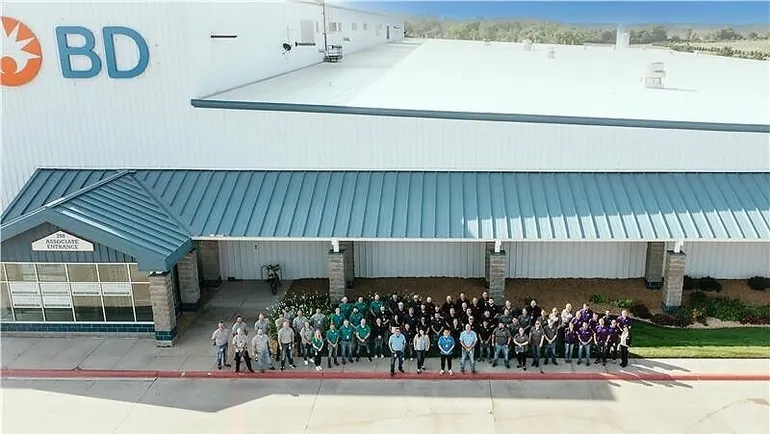
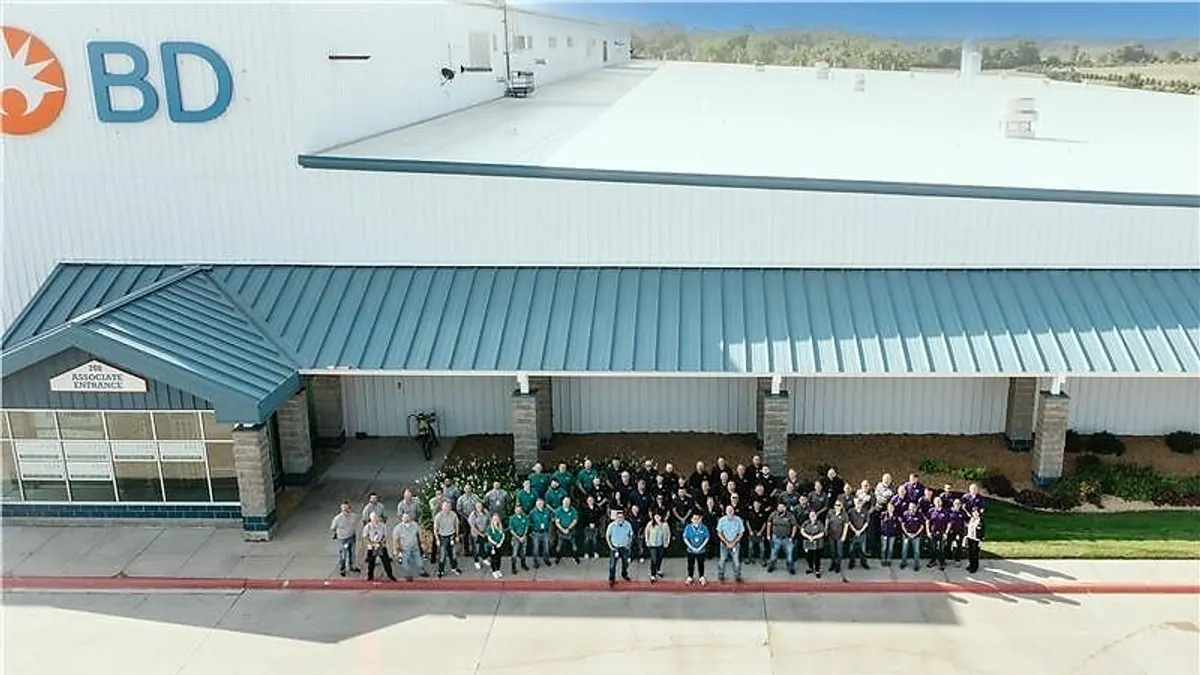
BD, which identifies itself as the largest manufacturer of essential medical consumables in the United States, is positioning itself as the primary architect of a more resilient American healthcare infrastructure. The crux of the company’s proposal is a $3 billion investment aimed at expanding strategic manufacturing sites across the country.
The primary goal of this expansion is to increase the company’s annual U.S. output by approximately 5 billion essential medical consumables. By the time the expansion reaches maturity, BD projects that its share of domestically supplied essential medical technology will climb to approximately 80%. This figure represents a transformative shift for a company that has historically balanced global manufacturing footprints to optimize costs.
Beyond mere volume, the company has pledged to overhaul its raw material sourcing. A key component of the agreement is the commitment to manufacture 100% of the needles it produces for the U.S. market using American-made steel. This shift is designed to decouple a critical component of medical procedures—such as vaccinations, insulin delivery, and blood draws—from international steel market fluctuations and potential trade barriers.
A Chronology of Strategic Alignment
The path to this agreement did not occur in a vacuum; it is the culmination of months of regulatory maneuvering and industry dialogue.
- September 2025: The Trump administration initiated a formal Section 232 inquiry into the medical technology sector. Section 232 investigations, which historically focus on the impact of imports on national security, signaled a new era of scrutiny for medical device manufacturers reliant on global supply chains.
- Late 2025 to Early 2026: Throughout this period, industry leaders and policymakers engaged in intensive discussions regarding the necessity of a "secure" supply chain. BD emerged as a primary partner for the administration, leveraging its existing footprint across states including Nebraska, Connecticut, Puerto Rico, Utah, Texas, Georgia, and South Carolina.
- Mid-2026: Following the investigation phase, the framework for the current agreement was established. While no specific medical device tariffs had been finalized under the Section 232 inquiry, the threat of such levies acted as a catalyst for BD to negotiate a proactive, investment-based exemption.
- The Present: With the agreement now public, the focus shifts to execution. BD is currently finalizing plans to deploy the $3 billion across its network, which includes major facilities in Columbus and Broken Bow (Nebraska), Canaan (Connecticut), Añasco (Puerto Rico), Sandy (Utah), El Paso (Texas), Covington (Georgia), and Sumter (South Carolina).
Supporting Data and Manufacturing Footprint
BD’s manufacturing network is vast, and the company’s decision to concentrate expansion in these specific regions is calculated. By leveraging existing infrastructure in these hubs, the company aims to expedite the ramp-up process while minimizing the complexities associated with greenfield projects.
The following table summarizes the reach of BD’s domestic operations:
| Region | Primary Focus |
|---|---|
| Nebraska (Columbus/Broken Bow) | Large-scale assembly and molding |
| Connecticut (Canaan) | Precision manufacturing for advanced consumables |
| Puerto Rico (Añasco) | Strategic high-volume production |
| Utah (Sandy) | R&D and specialized device manufacturing |
| Texas (El Paso) | Logistical and manufacturing hub |
| Georgia (Covington) | Distribution and high-demand product lines |
| South Carolina (Sumter) | Scalable production of essential disposables |
The addition of 5 billion units of capacity annually is not merely a quantitative goal; it is an insurance policy for the U.S. healthcare system. As BD CEO Tom Polen noted, the company is "uniquely positioned" to execute this vision due to its existing scale and deep integration into the U.S. hospital and clinic network.
Official Responses and Executive Perspective
The rhetoric surrounding the announcement highlights a shared interest between corporate strategy and national policy. Tom Polen, the CEO of BD, emphasized that the agreement is about more than just manufacturing volume; it is about "innovation expertise and longstanding U.S. manufacturing footprint."

"The administration recognizes the importance of investing in a stronger, more secure healthcare supply chain," Polen said in a formal statement. "BD is uniquely positioned to help bring that vision to life."
From the administration’s perspective, the deal is a victory for the "Buy American" ethos. By securing a commitment to use domestic steel for needles, the government is effectively incentivizing a vertical integration of the medical supply chain that benefits both the domestic steel industry and the healthcare sector.
However, the financial specifics remain opaque. BD has explicitly stated that it cannot yet quantify the exact financial impact of the agreement, primarily because the final tariff rates—and the specific product lists to which they would apply—remain under determination. The company has promised full disclosure once the Section 232 process reaches its formal conclusion, providing investors and analysts with a clearer picture of the long-term cost-benefit analysis.
Implications for the MedTech Landscape
The implications of this agreement are far-reaching, potentially setting a precedent for how other multinational healthcare companies navigate the current trade environment.
1. Shift Toward Regionalization
For decades, the standard operating procedure for MedTech was the "global sourcing" model, which prioritized low-cost production centers in Asia and Europe. BD’s move suggests that "resilience" is replacing "cost-efficiency" as the primary KPI for supply chain management. If the U.S. market continues to push for domestic manufacturing, we may see a broader exodus from international manufacturing hubs.
2. The Power of "Tariff Diplomacy"
This deal represents a new form of "tariff diplomacy," where corporations trade capital investment in domestic soil for regulatory certainty. By preemptively offering to boost domestic capacity, companies can potentially avoid the volatile and damaging impact of blanket tariffs. This model may prove highly attractive to other manufacturers currently in the crosshairs of trade regulators.
3. Impact on Healthcare Costs
While the security of the supply chain is a clear benefit, the economic reality of domestic manufacturing is that it is often more expensive than offshore production. The $3 billion price tag is a significant capital expenditure, and the higher costs associated with American labor and materials will eventually need to be accounted for in the pricing of medical consumables. Analysts will be watching closely to see how these costs are passed on to hospital systems, insurers, and, ultimately, patients.
4. Competitive Dynamics
BD’s aggressive expansion could create a "first-mover" advantage. By securing a protected status with the U.S. government, the company may gain a competitive edge over smaller or international rivals who do not have the balance sheet or the existing footprint to engage in such a massive domestic expansion. This could lead to further market consolidation as larger players find it easier to comply with increasingly complex domestic manufacturing requirements.
Conclusion
The agreement between BD and the U.S. government is a landmark event that bridges the gap between national security and private enterprise. As the global economy faces ongoing pressures and trade tensions, the move to secure the supply chain for essential medical consumables is both prudent and necessary.
While the financial details remain to be ironed out, the trajectory is clear: the American medical device industry is entering a new chapter of localized production. Whether this transition will lead to lower long-term risks or higher operational costs remains to be seen. However, by committing $3 billion to the heart of its U.S. manufacturing network, BD has signaled that it intends to remain the bedrock upon which the American healthcare system rests, regardless of how the global trade landscape shifts in the years to come.