In a breakthrough that promises to reshape the landscape of the global food and beverage industry, researchers at The University of Queensland (UQ) have pioneered a sophisticated microbial fermentation technology. This innovation allows for the direct conversion of raw cane sugar—a commodity often viewed as a health-negative staple—into high-value, low-calorie "rare sugars." By leveraging the natural biological potential of bacteria found in Queensland’s own sugarcane fields, this technology offers a sustainable pathway for producers to diversify their portfolios, meet the rising demand for healthier sweeteners, and secure a competitive edge in a global market shifting toward wellness.
Main Facts: Converting Commodity into Health Innovation
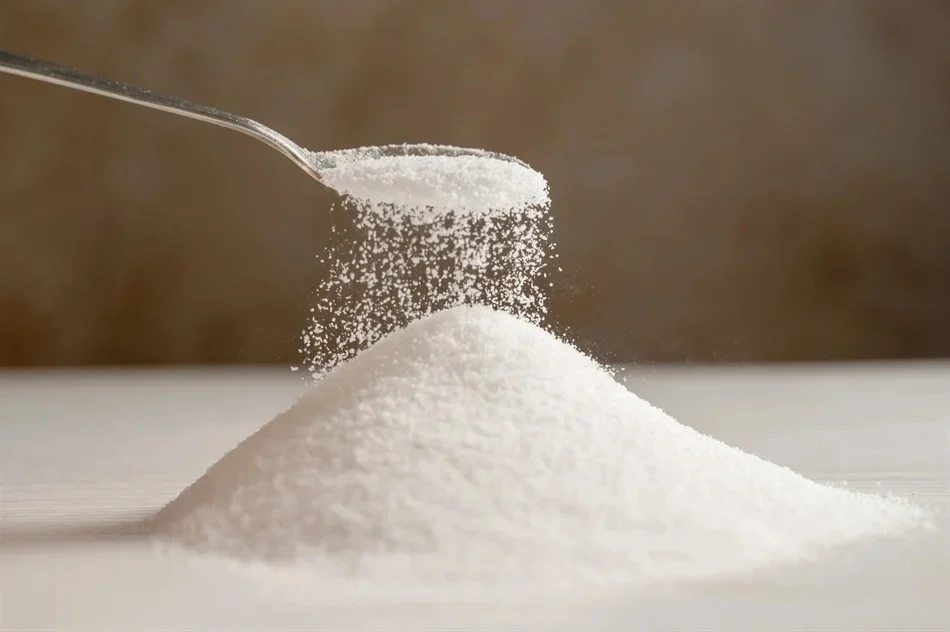
The core of the project lies in the ability to bridge the gap between traditional agricultural production and advanced biotechnology. "Rare sugars" are naturally occurring molecules found in minute quantities in certain fruits. While they possess the same sensory profile as traditional sucrose—offering the same sweetness, texture, and technical functionality for baking—they contain significantly fewer calories and offer improved metabolic profiles.
Until now, the primary hurdle for the mass adoption of rare sugars has been the prohibitive cost of production. Traditional extraction methods are inefficient and environmentally intensive. The UQ team, led by Dr. Axayacatl Gonzalez, has effectively "hacked" the metabolic pathways of common bacteria.
By engineering these bacteria into "microbial cell factories," researchers have created a system where raw cane sugar acts as the feedstock. The result is a streamlined, sustainable, and scalable production process. Dr. Nathan Zhong, an R&D scientist with Australia’s Food and Beverage Accelerator (FaBA), describes the process with elegant simplicity: "Once we have the right bacterial strain, the equation is pretty simple: raw sugar goes in, and rare sugars come out."
Chronology: From Field to Bioreactor
The journey from a Queensland cane field to a high-tech bioreactor represents a multi-stage integration of biology and industry partnership:
- Exploration: The research began by surveying the local ecosystem. Scientists identified specific bacterial strains native to Queensland cane fields that possessed the latent, albeit dormant, potential to metabolize sugar into more complex, high-value molecules.
- Engineering: Under the auspices of FaBA, Dr. Nathan Zhong and his team began the precision-editing of these bacterial genomes. The goal was to optimize the metabolic flux—ensuring that the bacteria prioritized the conversion of raw cane syrup into specific rare sugar isomers rather than other cellular byproducts.
- Library Development: The team successfully developed a "library" of specialized bacterial strains. Each strain is tailored to produce different types of rare sugar molecules, allowing for a customizable approach depending on the needs of the end-product manufacturer.
- Scaling: These strains were then introduced into UQ’s custom-built bioreactors. These facilities, part of the university’s Biosustainability Hub, provide the controlled environment necessary to transition from laboratory-scale experiments to pilot-scale production.
- Industry Integration: Partnering with MSF Sugar, the research is currently focused on optimizing the "feedstock-to-product" pipeline, ensuring that the process is not only scientifically sound but economically viable for large-scale industrial deployment.
Supporting Data: Economic and Global Context
The global sugar industry is at a crossroads. As consumer health trends move sharply against traditional high-calorie sweeteners, the industry must innovate or face declining demand.
- Economic Impact: Australia is a global leader in sugar production, alongside giants like Brazil, India, and Thailand. The industry contributes approximately $2 billion annually to the Australian economy.
- The Price Barrier: Historically, rare sugars have been a niche luxury product. The cost of chemical synthesis or complex extraction has kept them out of reach for mass-market food and beverage applications. UQ’s fermentation technology aims to slash these costs by using raw sugar—the most abundant and inexpensive feedstock available—as the raw material.
- Market Demand: The hospitality and commercial food sectors are increasingly scouting for sugar alternatives that do not compromise on the "mouthfeel" or "browning" properties that synthetic, high-intensity sweeteners lack. Rare sugars occupy the "sweet spot" (pun intended) of being both natural and calorie-reduced.
- Infrastructure: The project is anchored by the IDEABio and Q-MAP facilities, both of which are supported by the National Collaborative Research Infrastructure Strategy (NCRIS). These facilities are specifically designed to bridge the "valley of death" between academic research and commercial reality, providing the "kit" and expertise required for industrial-scale biosolutions.
Official Responses: A Vision for the Future
The collaboration has been lauded as a triumph of the Australian research ecosystem, drawing support from both industry leaders and government officials.
Jia Poontanasombat, General Manager of Business Development at MSF Sugar:
"Rare sugars are a high-value commodity that possess obvious health and economic benefits. The work being done at UQ’s Biosustainability Hub is paving the way for producers to diversify their product offering in a way that meets the health needs of communities around the world. We view this not just as an experiment, but as a long-term strategy for remaining internationally competitive."
Julian Hill, Federal Assistant Minister for International Education:
"This is about ensuring Australia remains globally competitive, while building a more productive, resilient, and forward-looking economy. The IDEABio and Q-MAP facilities are helping translate breakthrough science into real-world products and economic value. Through NCRIS, the Government is supporting not only the cutting-edge facilities but also the deep expertise needed to translate complex data into tangible outcomes that benefit the next generation."
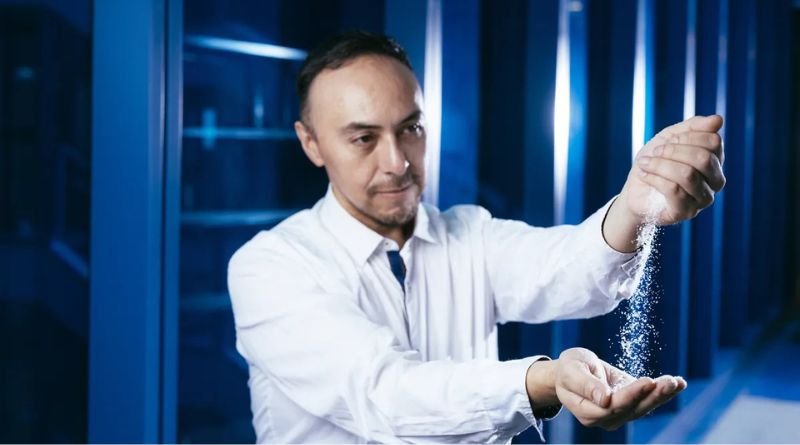
Dr. Axayacatl Gonzalez, Facility Manager of IDEABio:
"The health benefits are clear, and the sugar industry clearly identifies this as an opportunity. By harnessing natural processes in our lab, we are providing a sustainable, renewable alternative for the manufacturing of these molecules. We are essentially giving the sugar industry a new lease on life by turning a traditional commodity into a premium wellness ingredient."
Implications: The Future of the Sugar Economy
The success of this microbial fermentation technology has implications that extend far beyond the laboratory walls of the Australian Institute for Bioengineering and Nanotechnology (AIBN).
1. Diversification and Economic Resilience
For sugar-producing regions, this technology represents a pivot toward "high-value bio-manufacturing." Instead of being subject to the volatile price swings of global raw sugar commodity markets, producers could transition to selling high-margin, functional ingredients. This shifts the value proposition from volume to value.
2. The Wellness Consumer
Consumers are increasingly scrutinizing labels. The ability to label a product as containing "rare, natural, low-calorie sugars" rather than "artificial sweeteners" or "high-fructose corn syrup" will be a powerful marketing tool. If UQ’s technology can successfully scale, we may see a transition in the soft drink and bakery industries toward these ingredients within the next decade.
3. Sustainability in Manufacturing
The current food system relies heavily on chemical processing, which often requires harsh reagents and high energy inputs. Microbial fermentation is a "green" process. It takes place in aqueous environments at moderate temperatures, significantly reducing the carbon footprint associated with the manufacturing of food-grade sweeteners.
4. A Template for Bio-innovation
The UQ model—linking academic research (AIBN/IDEABio), government funding (NCRIS), and industry partners (MSF Sugar)—serves as a blueprint for other sectors. Whether it is in the production of bio-plastics, pharmaceuticals, or nutritional additives, the ability to engineer microbial cell factories to convert local agricultural waste or surplus into high-value products is the cornerstone of the emerging "bio-economy."
Conclusion
As the world grapples with the health challenges of modern diets, the research emerging from The University of Queensland offers a rare glimmer of optimism. By transforming the very substance that has been blamed for many of our metabolic woes—sugar—into a healthier, scientifically advanced version of itself, the team at UQ is doing more than just chemistry. They are rewriting the economic and nutritional future of an entire industry.
While commercial scale-up remains the next significant hurdle, the successful development of a diverse library of bacterial strains and the support of key industry players suggest that the "sweet revolution" is no longer a distant dream, but an imminent reality. As Dr. Zhong and his team continue to refine their microbial factories, the global palate may soon experience a change that is as beneficial to our health as it is to the economy of Queensland’s cane fields.