The global sugar industry is currently navigating a period of profound transformation. Confronted by shifting market dynamics, escalating operational costs, and an urgent mandate to improve efficiency, producers are being forced to rethink their capital structures. Whether through the modernization of aging facilities, the consolidation of regional operations, or the strategic divestment of non-core assets, the industry is in a state of flux. In this high-stakes environment, access to precise asset intelligence and a robust, data-driven monetization strategy has transitioned from a competitive advantage to a fundamental necessity.
Against this backdrop, Hilco APAC has emerged as a pivotal partner for sugar producers, mill operators, and financial stakeholders. By bridging the gap between industrial valuation and strategic asset recovery, the firm is helping to redefine how the sector manages its physical capital.
Main Facts: A Strategic Pivot for SIS Sugar and the Broader Industry
The most recent indicator of this industry-wide trend is the high-profile appointment of Hilco APAC by SIS Sugar to manage the sale of a state-of-the-art icing sugar milling and packing facility based in Singapore. This project serves as a microcosm of the broader challenges facing food manufacturers today: the need to optimize production footprints and redeploy capital effectively.
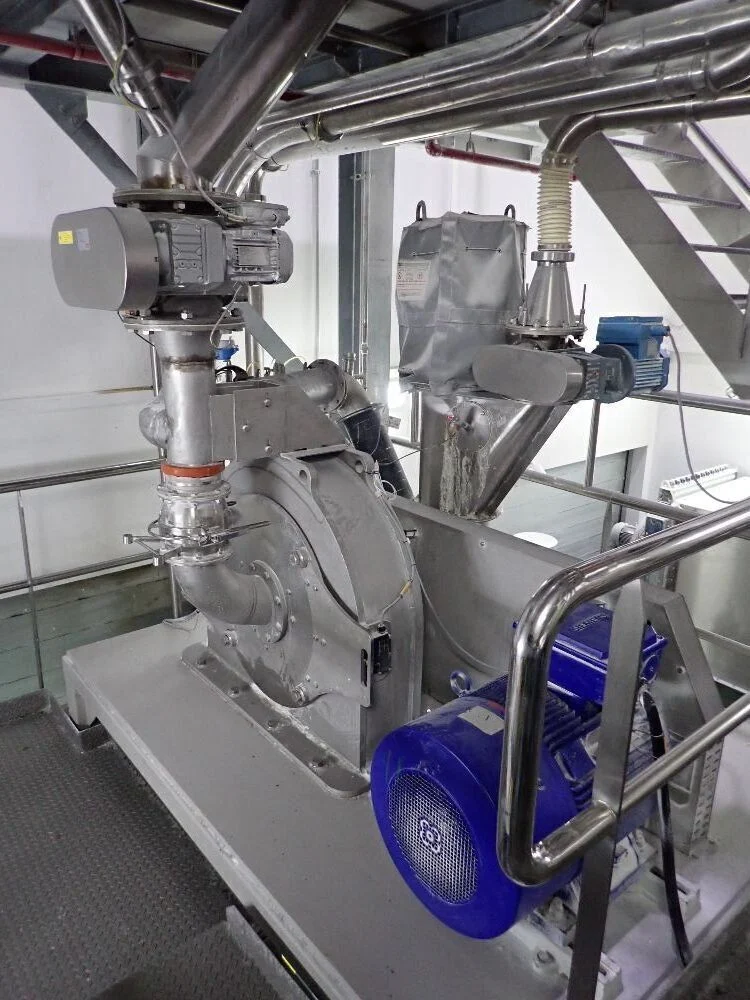
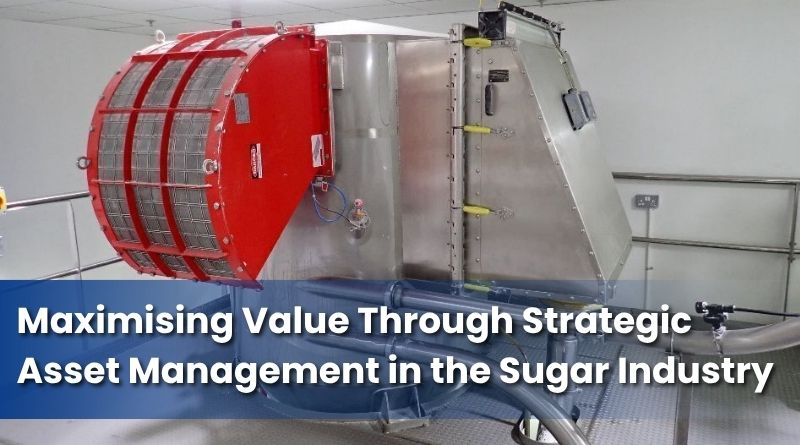
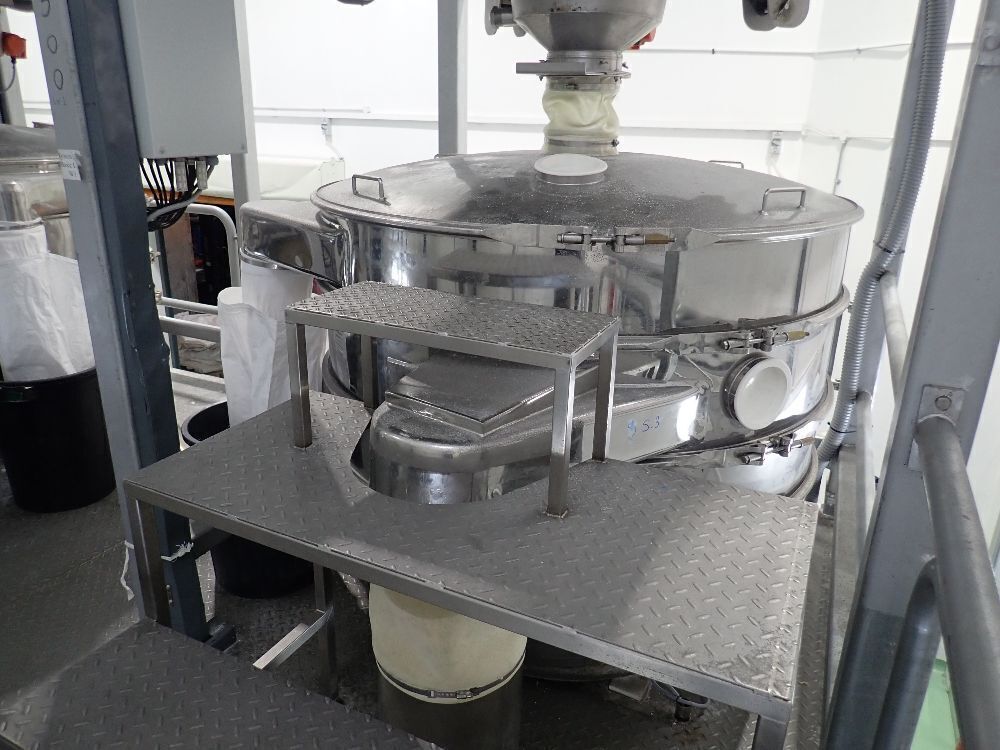
The facility in question, commissioned only in 2022, represents the pinnacle of modern sugar processing technology. Capable of handling up to 1,800kg of icing sugar per hour, the plant is a fully integrated, highly automated system. Its features—which include advanced milling technology, automated material handling, sophisticated contamination control, and robotic palletizing—reflect the industry’s shift toward Industry 4.0 standards. For prospective buyers, the availability of such near-new equipment offers a rare opportunity to bypass the long lead times currently plaguing the manufacturing supply chain.
Chronology of Asset Optimization
The path to this current market moment has been characterized by three distinct phases of industrial evolution in the Asia-Pacific sugar sector:
- The Era of Expansion (2015–2020): During this period, heavy investment flowed into new, high-capacity facilities to meet rising regional demand for processed sugar products.
- The Disruption Phase (2020–2023): Global supply chain shocks, combined with rising energy and labor costs, necessitated a pivot. Companies began to identify "over-capacity" in certain segments, leading to the first wave of consolidation.
- The Monetization and Efficiency Era (2024–Present): Today, the focus has shifted to "right-sizing." Businesses are no longer just looking at output; they are looking at their balance sheets. The appointment of Hilco APAC to manage the SIS Sugar facility is a direct result of this current era, where the focus is on extracting maximum value from non-core or redundant assets to fuel future growth.
Supporting Data: The Case for Professional Valuation
The valuation of industrial assets in the food and beverage sector is a complex science that requires more than just a ledger entry. According to market analysts, the efficiency of an asset sale is dictated by the depth of the valuation methodology.
Hilco APAC’s methodology relies on a multifaceted data set:
- Secondary Market Demand: By analyzing historical transaction data for specific milling and packaging lines, the firm provides a "Realizable Value" that often exceeds book value.
- Operational Benchmarking: Assessing equipment against current industry standards for energy consumption and food safety compliance.
- Lifecycle Analysis: Determining the remaining useful life of machinery, which is crucial for financiers and insurance underwriters.
In recent assignments—including work with global food giant Barry Callebaut—Hilco has demonstrated that specialized processing equipment, when marketed correctly, retains significant residual value even in volatile markets. This data-driven approach ensures that stakeholders are not merely "liquidating" assets, but strategically transitioning them into more productive hands.
Official Perspectives: The Role of Expert Advisory
For Hilco APAC, the mandate is clear: provide independent, actionable intelligence. In an industry where specialized equipment (such as high-capacity boilers, turbines, and advanced milling lines) is often undervalued by traditional liquidation models, the firm’s specialized expertise becomes a critical asset.
"The goal is to move beyond the traditional scrap-value mindset," says a spokesperson for the firm. "Sugar processing equipment represents a massive investment. When a facility is modernized or closed, those assets often have a second life. Our role is to identify the highest-value pathway for those assets—whether through private treaty sales, targeted auctions, or strategic redeployment."
By managing the process from valuation through to final reporting, Hilco minimizes the operational friction that typically accompanies facility restructuring. This end-to-end service includes everything from asset tagging and technical documentation to complex logistics and international sales compliance.
Implications for the Future of Sugar Manufacturing
The implications of this shift toward professional asset management are significant for the broader sugar economy.
Improving Capital Efficiency
In an environment where interest rates and capital expenditure requirements remain high, the ability to "unlock" cash trapped in underutilized equipment is a strategic necessity. Companies that successfully monetize surplus assets can reinvest that capital into R&D, sustainability initiatives, or core operational upgrades.
Accelerating Modernization
The secondary market for near-new, high-end equipment like the SIS Sugar icing line creates a circular economy. Smaller producers or those in emerging markets can acquire world-class technology at a fraction of the cost of new equipment, while larger firms shed operational overhead. This speeds up the modernization of the entire regional industry.
Strengthening Financial Stability
For lenders and restructuring professionals, having a partner like Hilco APAC provides a layer of security. Accurate, expert-led valuations ensure that loan-to-value ratios are based on market reality rather than speculative estimates. This, in turn, provides the stability required for producers to access the financing needed to survive market downturns.
The Path Ahead: A Call to Action for Industry Participants
As the sugar industry continues to evolve, the "siloed" approach to asset management is becoming obsolete. Producers must now view their plant and machinery not just as production tools, but as dynamic financial instruments.
For those considering the future of their own production footprints, the lessons from the SIS Sugar project are clear:
- Audit Early: Don’t wait for a crisis to assess the value of your assets. Regular, independent valuations provide the visibility needed for proactive decision-making.
- Think Beyond Scrap: Specialized processing equipment has value in global secondary markets. Seek out partners with a global database of buyers to ensure maximum recovery.
- Focus on the Lifecycle: Every piece of equipment has a lifecycle. Whether you are buying, selling, or restructuring, understanding where that asset sits on the curve is the key to maximizing ROI.
Hilco APAC’s role as an end-to-end asset partner—from strategic planning to final sale—serves as a template for how the industry can navigate the complexities of the next decade. By transforming redundant equipment into liquidity, the sugar industry is not just cutting costs; it is fueling its own evolution.
In the final analysis, the ability to manage the lifecycle of an asset is synonymous with the ability to manage the future of the company. As the industry faces the dual pressures of economic and operational change, those who master the art of asset monetization will be the ones who lead the market in the years to come.
Hilco APAC remains committed to unlocking value across the asset lifecycle, providing the transparency and expertise required to keep the sugar industry competitive, efficient, and forward-looking.