Introduction: A Pivot Toward Sustainable Manufacturing
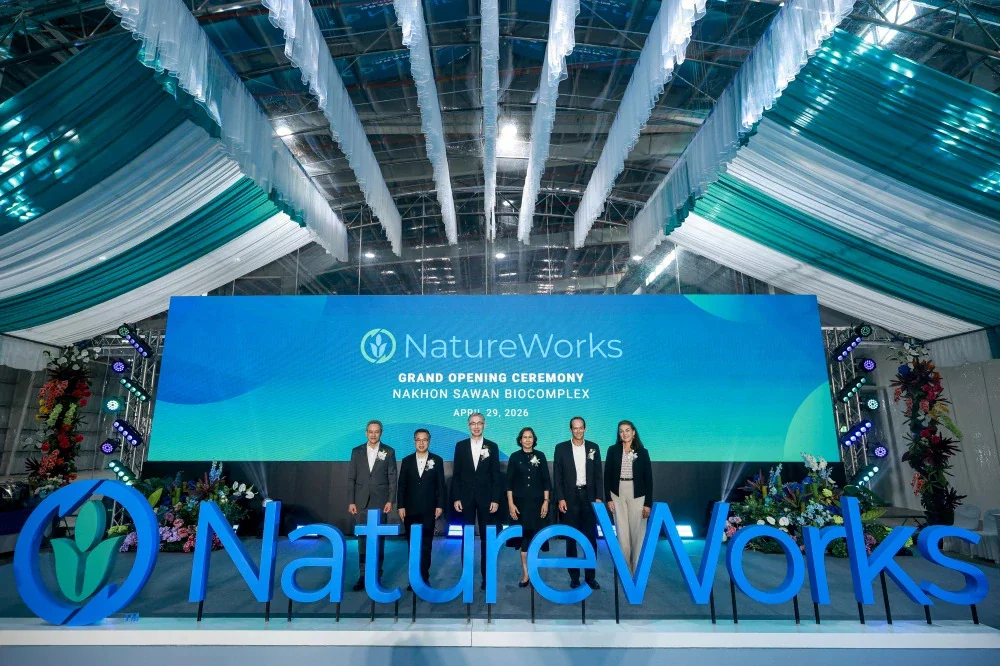
In a transformative development for the global chemical industry, PTT Global Chemical Public Company Limited (GC), a titan in the international chemical sector, has officially signaled a new chapter in its "Sustainable Portfolio" strategy. The company has announced the successful launch of a cutting-edge bioplastics production facility at the Nakhon Sawan Biocomplex in Thailand. Operated by NatureWorks—a joint venture between GC and American agribusiness giant Cargill—this new plant stands as the world’s largest and most technologically advanced site for the production of Polylactic Acid (PLA).
As global industries grapple with the dual pressures of climate change and supply chain volatility, the opening of this facility serves as a beacon for the circular economy. By converting locally sourced sugarcane into high-performance, low-carbon bioplastics, GC and NatureWorks are not merely producing a commodity; they are redefining the industrial lifecycle of materials. This milestone aligns with Thailand’s national Bio-Circular-Green (BCG) economic model and positions the nation as the heartbeat of the Asian bioplastics industry.
The Core Facts: Innovation at Scale
The Nakhon Sawan facility is not just an industrial expansion; it is a strategic response to the surging global demand for sustainable alternatives to traditional petroleum-based plastics.
- Production Capacity: The plant is engineered to produce 75,000 tons of Ingeo™ PLA annually.
- Feedstock Source: The process utilizes 100% locally sourced Thai sugarcane, creating a direct value-added bridge between the agricultural sector and high-tech manufacturing.
- The Technology: Utilizing world-class proprietary bioplastic technology, the facility manufactures a diverse range of Ingeo™ grades, optimized for industries ranging from consumer packaging to industrial components.
- Sustainability Credentials: The product line holds prestigious international certifications, including USDA BioPreferred and ISCC PLUS, confirming its status as a renewable, low-carbon material.
Chronology: From Vision to Reality
The journey toward this facility was years in the making, reflecting a methodical approach to infrastructure investment and research development.
- Foundation Phase: The partnership between GC and Cargill was solidified by a shared vision to scale the bio-economy. Recognizing the untapped potential of Thailand’s agricultural sector, the partners identified the Nakhon Sawan Biocomplex as the ideal hub for the next phase of global bioplastic expansion.
- Development and Construction: Over the past several years, the project navigated complex engineering challenges, ensuring that the plant would not only meet high production standards but also adhere to stringent environmental regulations.
- Operational Readiness: The final phase involved rigorous testing of the conversion process, ensuring that the facility could effectively translate raw sugarcane biomass into high-purity lactide and subsequently into PLA resin.
- Official Launch: The present-day inauguration marks the culmination of these efforts, officially integrating the site into the global NatureWorks supply chain, complementing their existing U.S.-based production assets.
Supporting Data: Why PLA Matters
Polylactic Acid (PLA) is increasingly recognized as the gold standard in the transition away from fossil-fuel-based plastics. Unlike traditional polymers, Ingeo™ PLA is derived from annually renewable resources.
Environmental Impact
- Carbon Footprint: Studies consistently show that PLA production results in a significantly lower greenhouse gas footprint compared to conventional plastics like PET or polystyrene.
- End-of-Life Flexibility: Under appropriate industrial composting conditions, Ingeo™ PLA decomposes, closing the loop on material usage.
- Versatility: The material’s utility spans an impressive array of sectors:
- Consumer Goods: Food packaging, tea bags, coffee capsules, and household items.
- Industrial/Durable Goods: Phone cases, cosmetic packaging, electrical appliance components, and 3D printing filaments.
- Healthcare/Sanitation: Face masks, diapers, and specialized cleaning wipes.
The certification standards, such as ISCC PLUS, ensure that every stage of the production process—from the farm to the factory gate—meets rigorous sustainability benchmarks, providing transparency for global brands aiming to meet their own ESG (Environmental, Social, and Governance) targets.
Official Perspectives: Industry Leadership and National Strategy
The launch was met with high-level support from both corporate leadership and the Thai government, underscoring the project’s national importance.
Mr. Saroj Putthammawong, COO of Value Added Products, GC:
"This facility marks another significant milestone for NatureWorks, reflecting the global growth trajectory of low-carbon materials. In a highly volatile world, bio-based materials are playing an increasingly important role as solutions that enhance industrial resilience. GC is confident that NatureWorks will be a key driver in advancing our Sustainable Portfolio strategy, while elevating Thailand’s bioplastics industry to the regional level in Asia."

Dr. Nattapol Rangsitpol, Permanent Secretary of the Ministry of Industry:
"This bioplastics production facility represents a highly meaningful investment for Thailand. It adds value to our agricultural raw materials, particularly in the sugarcane and sugar industries, which are the backbone of our economy. It enhances competitiveness and strengthens long-term stability for the manufacturing sector. This project aligns with Thailand’s Bio-Circular-Green (BCG) commitment, reinforcing our position as a global hub for bioplastic production."
Mr. Erik Ripple, President and CEO of NatureWorks:
"The opening of the Nakhon Sawan facility marks a significant milestone in expanding our global PLA bioplastics production capacity beyond our first site in the United States. Establishing a new production base in Thailand enhances our ability to meet growing demand in the Asian region. It enables us to better support our customers in adopting sustainable materials to achieve their own sustainability goals, accelerating the transition to a circular economy."
Implications: The Future of the Global Supply Chain
The implications of this facility extend far beyond the borders of Thailand. By diversifying production locations, NatureWorks is creating a more resilient supply chain.
Geopolitical Resilience
In an era of supply chain disruptions, the ability to source feedstock locally and process it regionally provides a hedge against geopolitical volatility. Industries that have historically relied on long-distance logistics for raw materials now have a reliable, regional alternative that reduces transportation costs and carbon emissions.
Economic Development for Thailand
The Nakhon Sawan Biocomplex is destined to become a nexus for biotechnology innovation. By integrating local farmers into a high-value supply chain, the project creates a "pull effect" that encourages sustainable agricultural practices and boosts rural incomes. It transforms the agricultural sector from a supplier of bulk commodities into an essential partner in a high-tech, global industry.
The Shift in Global Consumption
As consumer awareness regarding plastic waste grows, the market is shifting toward brands that offer compostable or bio-based packaging. With the increased supply of Ingeo™ PLA, manufacturers now have the necessary volume to scale these sustainable alternatives, moving them from "niche" products to mainstream staples.
Conclusion: Toward a Circular Future
The collaboration between PTT Global Chemical and NatureWorks represents the ideal marriage of industrial ambition and environmental responsibility. By successfully scaling the production of PLA, the partners have demonstrated that economic growth and sustainability are not mutually exclusive—they are, in fact, interdependent.
As the Nakhon Sawan facility reaches full capacity, its success will serve as a blueprint for other emerging economies looking to pivot toward green manufacturing. Thailand has effectively planted the seeds for a sustainable future, and as the world watches, this facility stands as a testament to what is possible when innovation, policy, and industry converge to solve the pressing challenges of the 21st century. The era of the low-carbon economy has arrived, and it is being manufactured, one ton of bioplastic at a time, in the heart of Southeast Asia.