In the high-stakes world of corporate finance, mergers, acquisitions, and divestitures (M&A) are often framed by the promise of exponential growth and massive cost synergies. However, the reality behind these headline-grabbing deals is frequently far more complex, particularly for the Chief Procurement Officer (CPO). As organizations merge, the burden of integrating disparate supply chains, rationalizing vendor bases, and reconciling procurement cultures falls squarely on the shoulders of the procurement function.
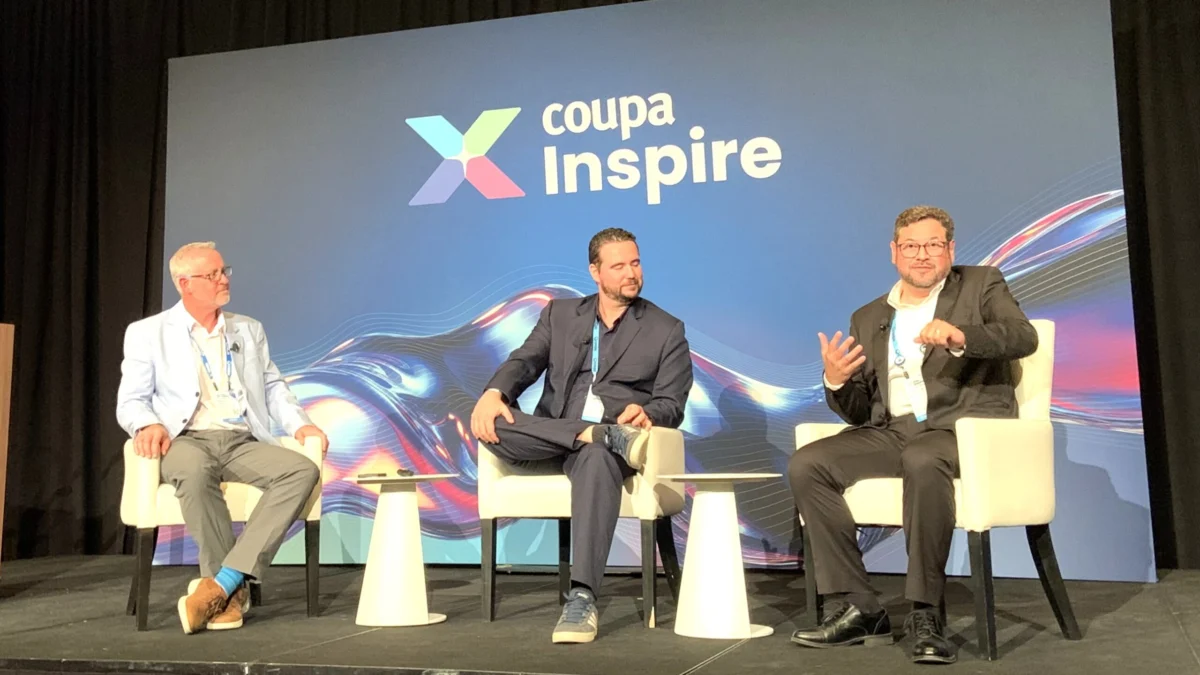
Recognizing the mounting pressure on procurement leaders, the global CPO community recently convened to dissect the nuances of M&A integration. The discourse, which drew participants ranging from seasoned M&A veterans to those currently navigating their first major integration, underscored a critical reality: procurement is no longer a back-office support function during a deal—it is a central pillar of post-merger value creation.
The Disney Benchmark: Lessons from a $71.3bn Integration
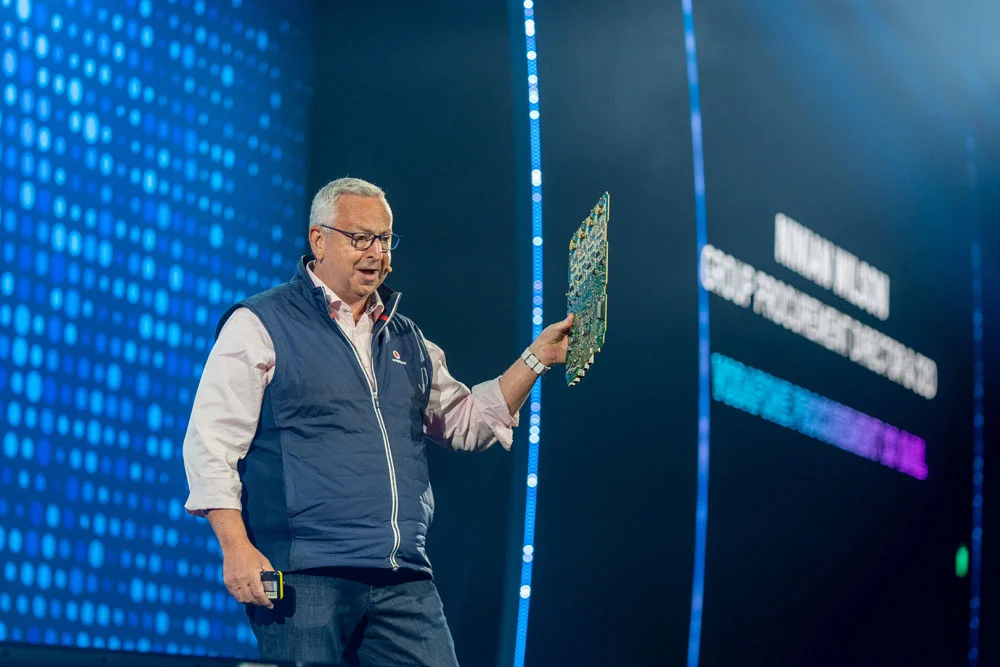
The dialogue was recently elevated by the insights of Chandranath Chakraborty, the former head of procurement for the Asia-Pacific region at The Walt Disney Company. Chakraborty’s tenure at Disney provided a front-row seat to one of the most significant media deals in history: the $71.3 billion acquisition of 21st Century Fox.
At the time of the deal, the integration was projected to yield approximately $2 billion in synergies. For a procurement leader, this figure represents more than a financial target; it is a roadmap for operational transformation. Chakraborty’s reflections on the deal serve as a masterclass for CPOs, boiling down the chaotic nature of post-merger integration into three foundational, yet frequently overlooked, questions.
The Three Pillars of Procurement Integration
Chakraborty posits that when the dust settles on a signed deal, procurement leaders must immediately stress-test their integration strategy against three core questions. Failure to answer these clearly, he warns, often leads to "value erosion" rather than the intended value creation.
1. The Synergies: Validation Over Assumption
The first question is deceptively simple: Where do the synergies actually reside, and how are they being validated?
In the heat of pre-deal negotiations, financial models are often built on incomplete data. CPOs frequently face a scenario where aggressive savings targets are mandated by the C-suite before the combined organization’s total spend profile is fully understood.
"Teams often spend excessive time and effort chasing a pre-determined ‘goal’ rather than going after the right number," Chakraborty noted. This pursuit of a "phantom target" is a common trap. When procurement teams prioritize an arbitrary number over actual, data-driven savings, they risk making suboptimal decisions. This might manifest as prematurely terminating vendor contracts to hit a quarterly target, only to suffer from supply chain disruptions or hidden costs later. The implication is clear: validation must precede execution. If the data isn’t clean, the target is irrelevant.
2. The Operating Model: Beyond Cultural Clashes
The second challenge concerns structure: What should the combined operating model look like?
Merging two companies is akin to grafting two distinct organisms. Each entity brings its own cultural DNA, supply bases, geographical footprints, and internal processes. The friction created during this alignment is inevitable, but the way it is managed determines the success of the integration.
Chakraborty highlights a critical "soft power" risk in M&A: the "loudest voice" phenomenon. In many integrations, the legacy culture of the dominant partner often steamrolls the smaller entity. Decisions are made not because they represent the most elegant or efficient solution, but because the louder, more established voices from the parent company prevail.
To avoid this, CPOs must ensure that the operating model is designed with objectivity. This requires a forensic analysis of both supply bases to determine which procurement processes, ERP systems, and supplier relationships offer the most value, regardless of which "side" of the merger they originated from.
3. Human Capital: Retaining the Architects of Value
The third question is perhaps the most human: Who is leading, and how are decisions being made regarding the composition of the team?
A merger is a period of intense uncertainty for employees. Procurement talent—often the individuals who hold the institutional knowledge of vendor contracts and category nuances—are particularly vulnerable to the uncertainty of restructuring.
"The people component of a major integration can be extremely challenging," Chakraborty observed. "Those at the top of their game are often the first to leave if clarity isn’t provided early."
When the leadership hierarchy becomes murky, or when top-tier procurement professionals feel that their roles are being sidelined in the new organizational chart, they look for the exit. This "brain drain" during the critical first 100 days of an integration can derail even the most well-planned synergy initiatives. CPOs must be proactive in identifying key talent, communicating the vision of the new procurement organization, and providing a clear path for integration.
Implications for the Modern CPO
The insights shared by Chakraborty and the broader CPO community suggest a shift in the procurement mandate. The CPO of the future is not just a master of spend management; they are an organizational architect capable of navigating the political, cultural, and operational turbulence of M&A.
The Cost of Inaction
The risks of failing to address these three questions are substantial. Beyond the missed financial targets, ineffective procurement integration leads to:
- Supplier Attrition: When the combined entity fails to communicate effectively with the supply base, critical suppliers may exit, causing massive operational headaches.
- Reputational Damage: Procurement is often the face of the company to the vendor ecosystem. If the integration appears chaotic, it can damage the organization’s reputation in the marketplace.
- Operational Silos: Failure to align the operating model early on can lead to years of "shadow procurement," where the two legacy organizations continue to function as disparate entities, preventing the realization of economies of scale.
A Framework for Success
To move beyond these risks, CPOs are encouraged to adopt a structured framework for M&A:
- Data Harmonization: Before setting targets, invest in a unified spend analysis tool that provides a "single version of the truth."
- Cultural Due Diligence: Recognize the cultural differences between the organizations early. Create cross-functional integration teams that draw leadership from both sides of the deal.
- Transparency as Strategy: Communicate the "Why" and the "How" to the procurement staff. Clarity on team structure and reporting lines is the most effective retention tool available to a CPO.
Conclusion: Starting with the Basics
While the complexities of multi-billion-dollar acquisitions can feel overwhelming, the success of the procurement function relies on a return to basics. By asking the right questions about synergies, operating models, and human capital, CPOs can transition from being reactive participants in a deal to being the primary engines of post-merger value.
The journey of integration is rarely linear, and the challenges faced by leaders at companies like Disney are universal. For the CPO embarking on their next complex M&A, the path forward is clear: define the targets with data, design the structure with objectivity, and lead the people with clarity. In an environment defined by change, these simple questions provide the foundation for enduring corporate success.
For those looking to stay at the forefront of this evolution, the Procurement Leaders community continues to provide weekly insights and peer-to-peer learning opportunities. Engaging with the "CPO Crunch" newsletter is an essential step for any procurement executive looking to sharpen their strategic edge in an increasingly M&A-driven global economy.