Unilever, the multinational consumer goods giant behind iconic brands like Dove, Hellmann’s, and Seventh Generation, is embarking on an ambitious technological evolution. Having successfully piloted AI-enabled digital twin technology across five initial manufacturing sites, the company has announced plans to scale this digital infrastructure to approximately 40 additional locations over the next 18 months. This expansion, conducted in strategic partnership with professional services firm Accenture, marks a pivotal shift in how the company approaches industrial productivity, sustainability, and operational agility.
However, as Unilever prepares to embed these virtual models into its global network, leadership is emphasizing that success is not merely a matter of software deployment. According to Vicky Cuthbert, chief product supply chain officer for Unilever’s personal care business, the transition requires a disciplined focus on measurable outcomes, cultural readiness, and the delicate integration of human expertise with autonomous agent intelligence.
The Foundation: Lessons from the Pilot Phase
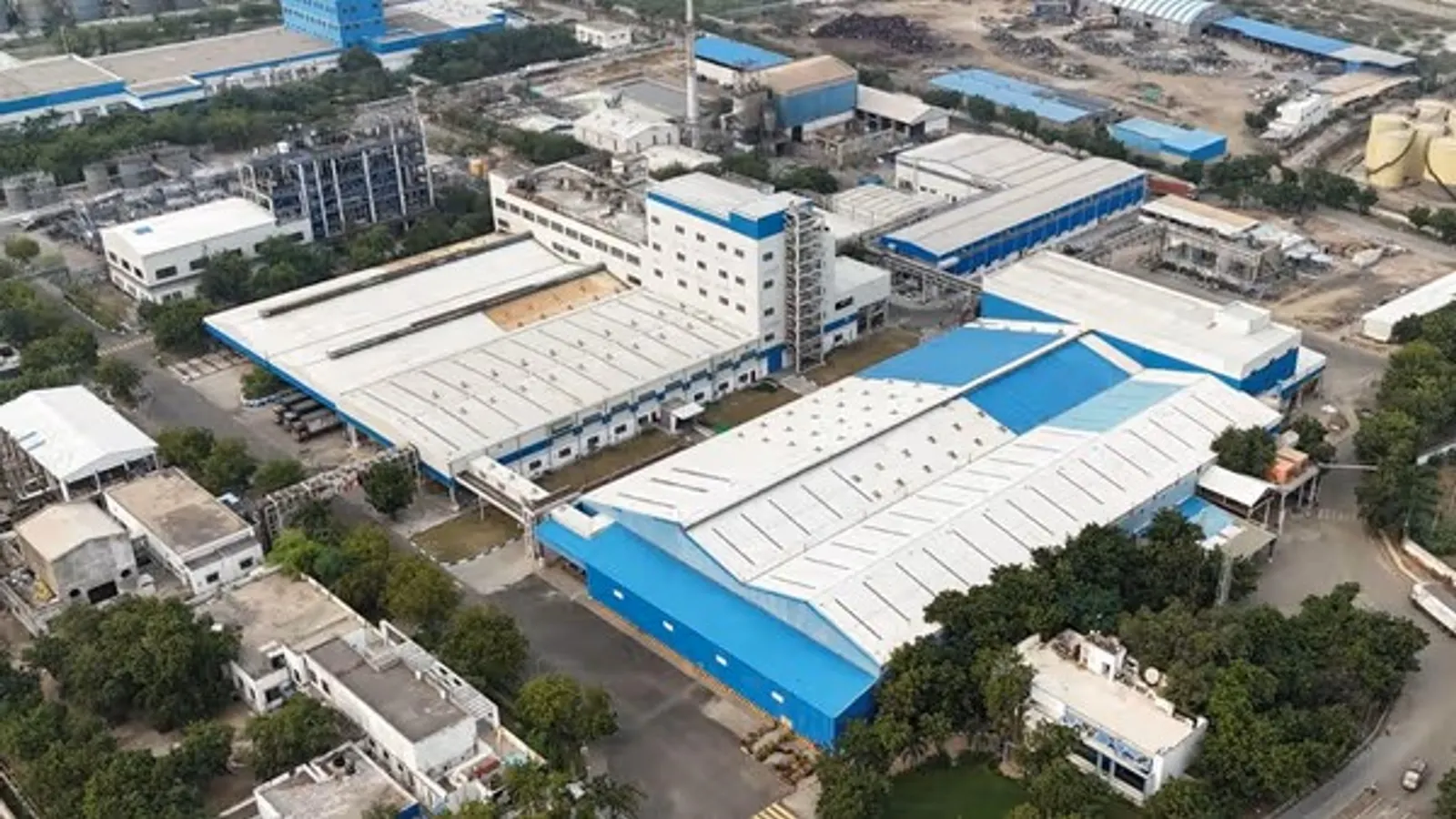
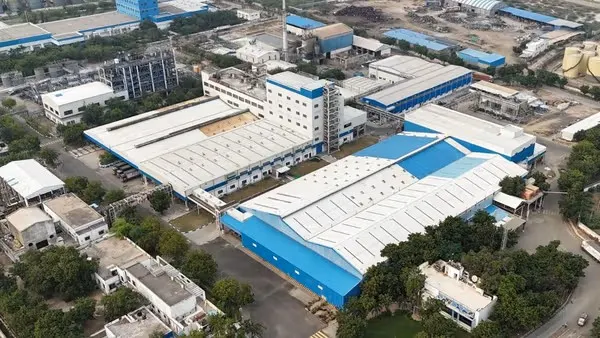
The decision to scale follows a rigorous testing period at five diverse manufacturing sites located in the United States (Raeford, North Carolina), Poland (Poznań), Vietnam (Cu Chi), and two facilities in India (including Gandhidham). These pilot programs served as a laboratory for understanding how virtual replicas of physical equipment and production lines could translate into bottom-line performance.
Reflecting on the early stages of the deployment, Cuthbert admitted that the company’s initial approach lacked the precision that now defines its strategy. "As we started doing this work in the early days, we were probably not clear enough on making sure that we were driving a benefit that we could tangibly measure in the results," she noted.
This realization led to a fundamental change in the company’s operating model. Today, Unilever treats every digital twin implementation as a targeted problem-solving exercise. Before a single line of code is written or a sensor is installed, managers are required to define the specific operational challenge they aim to solve. This "time upfront" strategy ensures that all stakeholders—from plant floor operators to executive leadership—are aligned on what success looks like, whether it is a reduction in waste, an increase in throughput, or a decrease in energy consumption.
Chronology of Innovation: From Concept to Global Scale
The journey toward this current 18-month expansion is the result of years of incremental progress in factory digitalization.
- Phase 1: Foundation and Sensorization: In the years leading up to the pilot, Unilever focused on retrofitting its most advanced factories with the necessary IoT (Internet of Things) infrastructure. This included high-fidelity sensors and robust cybersecurity protocols essential for capturing the real-time data required to build a functioning twin.
- Phase 2: The Pilot Program: The company selected five strategic sites to prove the concept. Each site was chosen not only for its technological readiness but also for its potential to serve as a blueprint for standardized processes across the wider organization.
- Phase 3: Performance Validation: During this period, the technology demonstrated its value. By monitoring equipment health and production bottlenecks, the digital twins provided actionable insights that led to significant KPIs (Key Performance Indicators) being hit across the pilot network.
- Phase 4: The Scale-Up (Current): Unilever has now entered a phase of rapid acceleration. Partnering with Accenture, the company is systematically rolling out the platform to 40 additional sites. The objective is to move beyond localized success and achieve a networked intelligence that standardizes best practices across its global manufacturing footprint.
Supporting Data: Quantifiable Success
The efficacy of Unilever’s digital twin strategy is best illustrated by the results achieved at the pilot locations. These figures demonstrate the tangible impact of virtual modeling on factory efficiency:
- Raeford, North Carolina (Personal Care): The integration of digital twin technology helped the facility achieve a 20% reduction in manufacturing waste, alongside a 10% increase in overall production capacity.
- Poznań, Poland (Food): The factory reported a 20% reduction in minor stoppages, a critical metric for maintaining a consistent production rhythm.
- Gandhidham, India (Personal Care): Over a four-year period, the plant successfully reduced product defects by 30%, highlighting the role of AI in quality control.
- Cu Chi, Vietnam (Home Care): The facility managed to save between 1% and 2% on premium ingredients, proving that digital twins can drive significant material cost savings through precise process control.
These metrics are not just isolated wins; they serve as the justification for the capital investment required to scale the technology further. By proving that the software can pay for itself through waste reduction and efficiency gains, Unilever has successfully made the business case for a company-wide digital transformation.
The Human Element: Cultural Transformation and Skills Training
Perhaps the most significant insight from Cuthbert’s leadership is the warning against ignoring the human side of the digital equation. "Don’t underestimate the overall organizational and cultural impact that this has, and how you need to take the organization along with you," she emphasized.
Advanced technology like digital twins does more than just monitor machines; it fundamentally alters the daily work of those on the factory floor. To prevent resistance and ensure adoption, Unilever has implemented a comprehensive educational framework. Central to this effort is the "DigiEdge" program—a gamified training initiative designed to upskill employees across planning and factory operations. By framing the transition to digital tools as a professional development opportunity rather than a replacement of human labor, Unilever is fostering a culture of curiosity and competence.
The company recognizes that the effectiveness of a digital twin is capped by the ability of the workforce to interpret its insights. By investing in the digital fluency of its employees, Unilever is ensuring that the "human-in-the-loop" model remains the standard, even as the technology grows more sophisticated.
Implications: The Future of Autonomous Manufacturing
Looking ahead, the implications of Unilever’s strategy are profound. The technology currently operates in a semi-autonomous state: digital twins suggest corrective actions for production issues, which are then reviewed and approved by human operators. However, this is a transitional state.
As the company accumulates more data and learns how humans and AI agents best coexist, the level of autonomy is expected to rise. In the future, low-risk processes may be managed entirely by the software, allowing human workers to focus their expertise on high-level strategy, complex troubleshooting, and innovation.
Strategic Selection of Future Sites
Not every factory is currently a candidate for a digital twin. Unilever utilizes a rigorous selection process, targeting facilities that have already achieved a high level of technical maturity. "There’s a minimum amount that we need to have in place so that we’re able to collect the information at the appropriate parts of the process that we’re creating a twin," Cuthbert explained.
This criterion includes:
- Data Infrastructure: The presence of robust, real-time sensor networks.
- Cybersecurity: High-level protection against potential digital threats to production lines.
- Standardization Potential: The ability to take lessons learned at one site and replicate them across similar product lines globally.
Conclusion: A Blueprint for the Industry
Unilever’s path forward offers a masterclass in industrial digital transformation. By tempering the hype of "AI-enabled manufacturing" with a disciplined, metrics-driven approach, the company is successfully navigating the transition to Industry 4.0.
The ultimate success of this initiative will not be judged by the number of digital twins in operation, but by the company’s ability to use these tools to drive agility, reduce its environmental footprint, and empower its global workforce. As Cuthbert and her team push toward the 40-site milestone, the industry will be watching closely to see how effectively the "human-machine" partnership can reshape the future of consumer goods manufacturing.