By Editorial Staff
Federal Industry and Science Minister Tim Ayres has set a bold, ambitious agenda for the Australian economy: moving away from a reliance on raw materials and moving toward a future defined by sovereign capability and high-tech innovation. However, a growing chorus of startup founders and venture capitalists argues that while the rhetoric is compelling, the fiscal reality is creating a "chilling effect" that could stifle the very businesses the government claims to support.
At the heart of the debate is a fundamental tension: the government’s desire for “built here” research-intensive businesses, and the perceived reality that current tax policies are inadvertently handicapping the startup ecosystem.
The Vision: A “Built Here” Australia
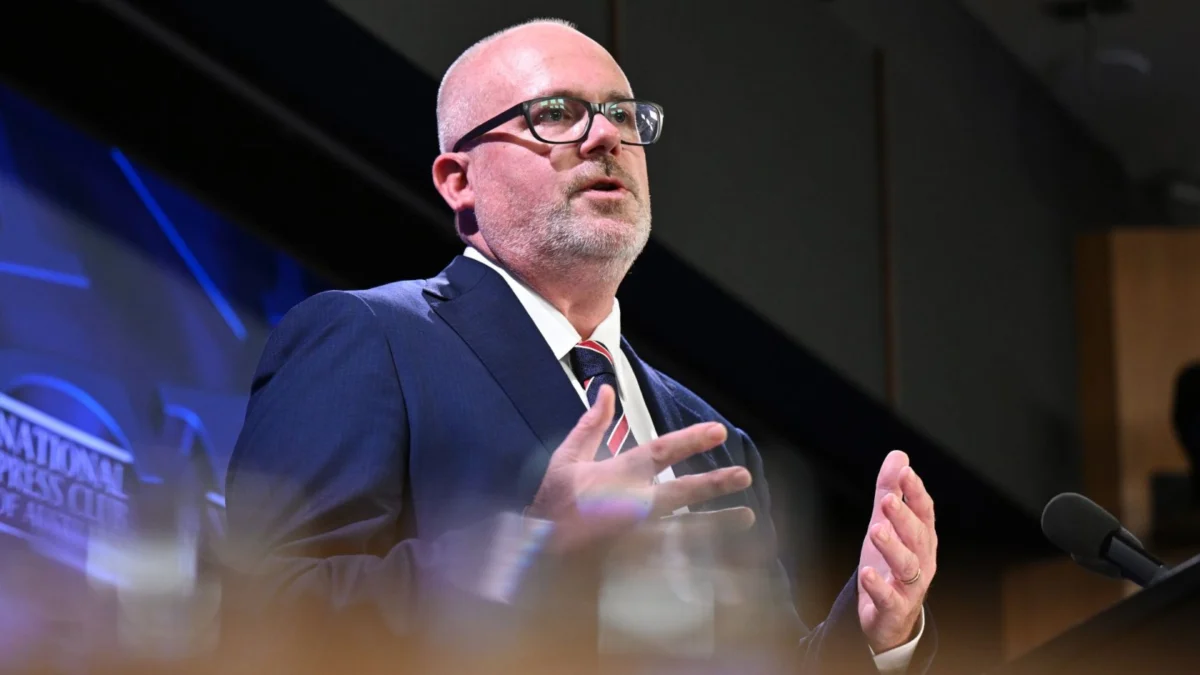
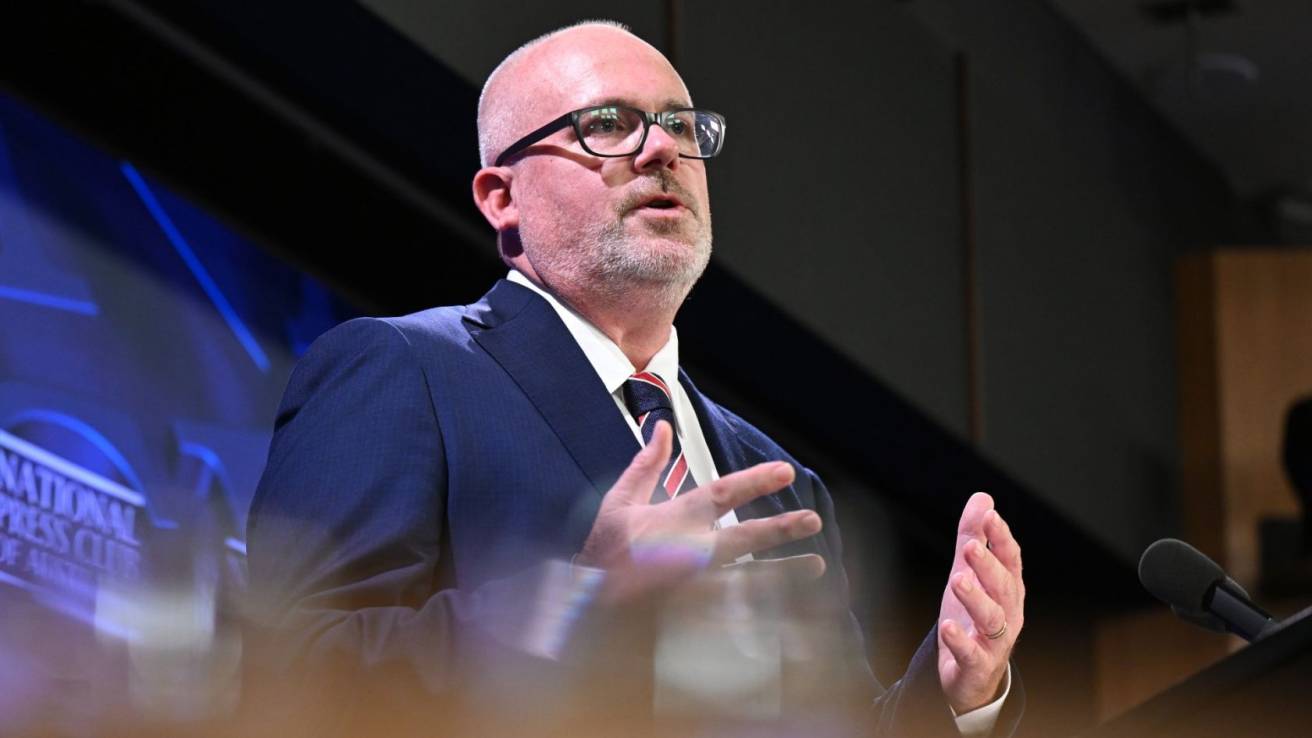
Speaking at the National Innovation Policy Forum in Canberra this week, Minister Ayres articulated a vision for a more resilient, technology-driven nation. His core message was simple but profound: Australia must get better at translating its world-class research and intellectual property (IP) into commercial success stories.
“We need to turn more Australian inventions and IP into real businesses and real jobs,” Ayres stated, addressing a room of industry leaders and policymakers. The Minister’s focus on "sovereign capability"—the ability to develop, manufacture, and scale technology locally—is a direct response to the global supply chain disruptions seen in recent years. By fostering institutions that can bridge the "valley of death" between laboratory innovation and market adoption, Ayres hopes to build a more robust, diversified economy.
However, industry observers are quick to note a disconnect. While the Minister speaks of a grand industrial strategy, the legislative environment for the startups that typically drive such rapid innovation remains fraught with friction.
Chronology of a Policy Friction
To understand the current tension, one must look at the trajectory of the government’s engagement with the innovation sector over the past 24 months:
- Early 2025: The government introduces a series of targeted industry growth programs, aimed at bolstering advanced manufacturing and climate-tech startups.
- Late 2025: Economic headwinds and inflationary pressures lead the Treasury to reassess various tax incentives and R&D (Research and Development) offsets.
- Early 2026: Small but significant "tweaks" to the tax code are implemented, aimed at tightening the criteria for startup tax concessions.
- May 2026 (The Current Moment): Minister Ayres delivers his "Built Here" address, highlighting the need for commercialization, even as startup founders report that the recent tax adjustments have significantly hindered their capital-raising ability.
This chronology reveals a government trying to walk a tightrope between fiscal prudence and industrial ambition. The problem, critics suggest, is that the "tweaks" intended to plug revenue leaks are instead creating a barrier to entry for early-stage companies that require significant runway to reach commercial viability.
Supporting Data: The Innovation Gap
Australia has long suffered from what economists call the "commercialization paradox." The country consistently ranks highly in global metrics for research output—producing world-leading breakthroughs in biotechnology, quantum computing, and renewable energy—yet it consistently underperforms when it comes to translating that research into market-dominating companies.
According to recent industry data:
- R&D Spend vs. Output: Australia’s R&D spend as a percentage of GDP remains moderate, but the conversion rate of patents into startups is among the lowest in the OECD.
- Capital Flight: A significant portion of successful Australian-born IP is currently being commercialized overseas, primarily in the United States and Singapore, where regulatory environments are viewed as more "founder-friendly."
- The Tax Burden: Startup Daily’s own analysis of the recent tax changes suggests that the removal of certain incentives for early-stage investors has led to a estimated 15% contraction in seed-round funding for deep-tech startups compared to the same period last year.
These figures underscore the challenge facing Minister Ayres. If the goal is "built here," then the regulatory and tax environment must be optimized to ensure that capital stays in the country, rather than fleeing to more hospitable jurisdictions.
Official Responses and Ministerial Intent
Minister Ayres’ office has been quick to defend the government’s position, emphasizing that the "Industry Growth Program" is designed to provide direct grants and support to startups that align with the government’s national interest priorities.
"The objective of the government is to ensure that taxpayer-funded research delivers a tangible dividend to the Australian public," a spokesperson for the Minister said. "We are committed to a collaborative approach where industry, academia, and government work in lockstep to build the industries of the future."
However, the Minister’s focus appears to be heavily weighted toward larger, established entities and "top-end-of-town" industry players. By prioritizing these larger institutions, critics argue the government is missing the disruptive potential of agile, smaller startups. The "built here" mantra, while patriotic, risks becoming a top-down mandate that ignores the bottom-up nature of true innovation.
The Implications: A "Chilling Effect"
The implications of this policy approach are far-reaching. If the current tax environment remains unchanged, the startup ecosystem faces a three-fold risk:
1. Talent Drain
The most significant asset for any startup is human capital. If Australian founders cannot access the funding required to grow their companies, they will inevitably take their talent and their ideas to countries where the government provides more comprehensive support for venture creation.
2. The "Branch Office" Economy
Without a thriving startup sector, Australia risks becoming a "branch office" economy. This occurs when local companies are bought out by foreign multinationals at the early stage, meaning the R&D and the intellectual property are exported, leaving Australia with only the sales and administrative functions.
3. Stagnation of Sovereign Capability
If the government’s goal of sovereign capability is to be achieved, it cannot rely on legacy industries alone. True sovereign capability in 2030 and beyond will be built on software, AI, biotechnology, and advanced materials—fields dominated by startups. By "knocking" the startup ecosystem with tax tweaks, the government may be undermining its own long-term security and economic goals.
Conclusion: The Path Forward
Minister Ayres’ call for a "built here" innovation strategy is a necessary and welcome signal that the government recognizes the importance of commercialization. However, the rhetoric must be matched by structural support.
For the "built here" vision to succeed, the government must move beyond broad policy statements and address the granular concerns of the startup community. This includes:
- Revisiting Tax Concessions: Ensuring that R&D tax incentives are not just preserved, but expanded to specifically target deep-tech and long-horizon projects.
- Reducing Regulatory Friction: Simplifying the process for startups to access government procurement contracts, which currently favor incumbents.
- Alignment with Private Capital: Creating incentives for institutional investors—such as superannuation funds—to deploy capital into the local venture asset class.
As it stands, Australia is at a crossroads. The country has the research talent and the ambition to become a global innovation hub. Whether it realizes that potential depends on whether the government can reconcile its desire for industrial control with the realities of the modern, decentralized, and high-velocity startup economy.
The "Built Here" mission is an excellent start, but it will only deliver the desired outcomes if the founders building those businesses are treated as partners in the national project, rather than as fiscal targets to be adjusted.