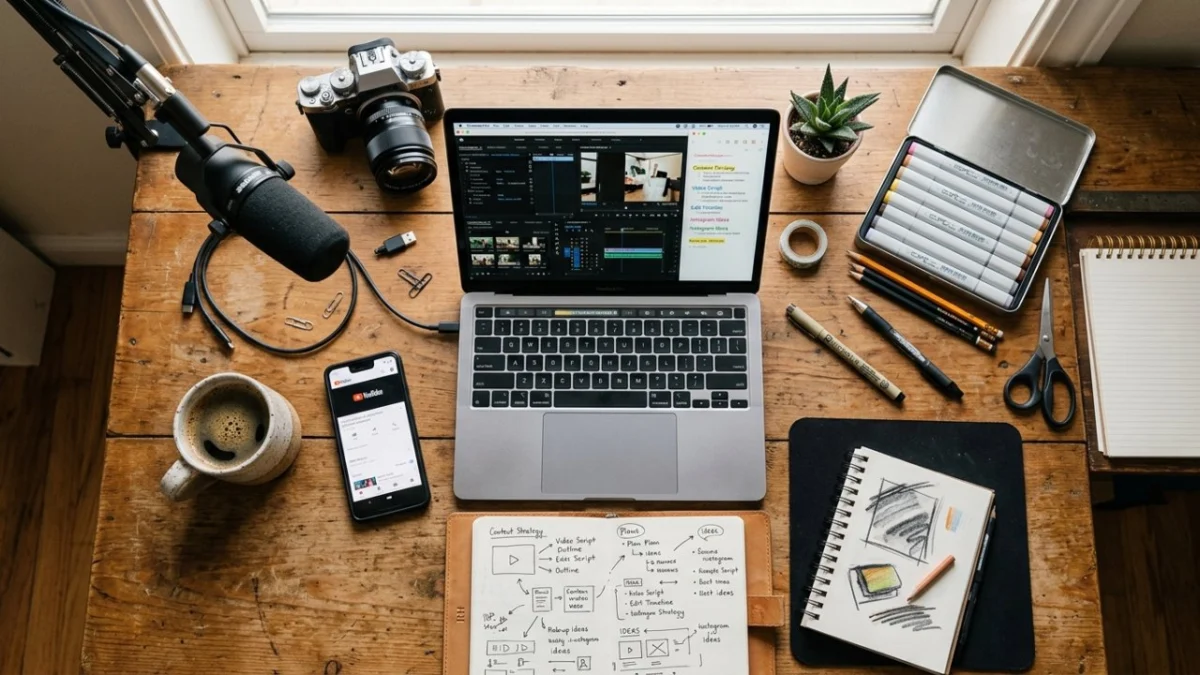
In a landmark decision that promises to redefine the financial infrastructure of the American digital landscape, the U.S. Small Business Administration (SBA) has officially classified content creators as small businesses. This historic policy shift recognizes the 27 million creator-led enterprises operating across the nation, granting them long-awaited access to federal lending, contracting programs, and institutional support. For an industry that has operated on the fringes of traditional economic frameworks despite generating billions in revenue, this move marks a formal integration into the backbone of the U.S. economy.
A Paradigm Shift: Main Facts of the SBA Ruling
For years, the "creator economy"—an umbrella term encompassing YouTubers, podcasters, streamers, and digital influencers—existed in a state of regulatory limbo. While these individuals operated as profit-seeking entities, they often struggled to secure traditional bank loans or government contracts due to ambiguous industry classifications.
The SBA’s new guidance rectifies this by explicitly categorizing creator-led businesses under the North American Industry Classification System (NAICS) code 5121, specifically relating to Motion Picture and Video Industries. This technical adjustment is the gateway to significant capital. By aligning digital content production with established small business standards, the SBA is opening the door for creators to access:
- SBA-backed loans: Providing lower interest rates and more favorable terms than traditional private sector loans.
- Federal contracting opportunities: Allowing creators to bid on government projects that require digital media, educational content, or promotional services.
- Technical and advisory resources: Access to Small Business Development Centers (SBDCs) and mentorship programs that were previously geared toward brick-and-mortar businesses.
Chronology: From Digital Hobbyists to Economic Powerhouses
The journey toward this recognition has been marked by a decade of exponential growth, characterized by three distinct phases:
Phase I: The Rise of the "Gig" (2010–2018)
During this period, content creation was largely viewed by federal regulators as a supplementary income stream or a digital hobby. Despite the massive viewership numbers on platforms like YouTube, the infrastructure—banking, tax policy, and legal status—remained stuck in the pre-internet era.
Phase II: The Institutional Recognition Gap (2019–2024)
As the pandemic accelerated the shift toward digital consumption, the creator economy ballooned into a multi-billion dollar sector. Creators became the primary marketing arm for global brands, yet they remained ineligible for emergency relief programs like the Paycheck Protection Program (PPP) in many instances, due to the lack of clear federal classification.
Phase III: The Formal Integration (2025–Present)
Following intense lobbying from industry advocates and internal reviews by the SBA, the agency began drafting formal guidance in late 2025. The current ruling, formalized in October 2026, serves as the culmination of this evolution, acknowledging that the digital creator is not merely an influencer, but a bona fide entrepreneur.
Supporting Data: The Scale of the Creator Economy
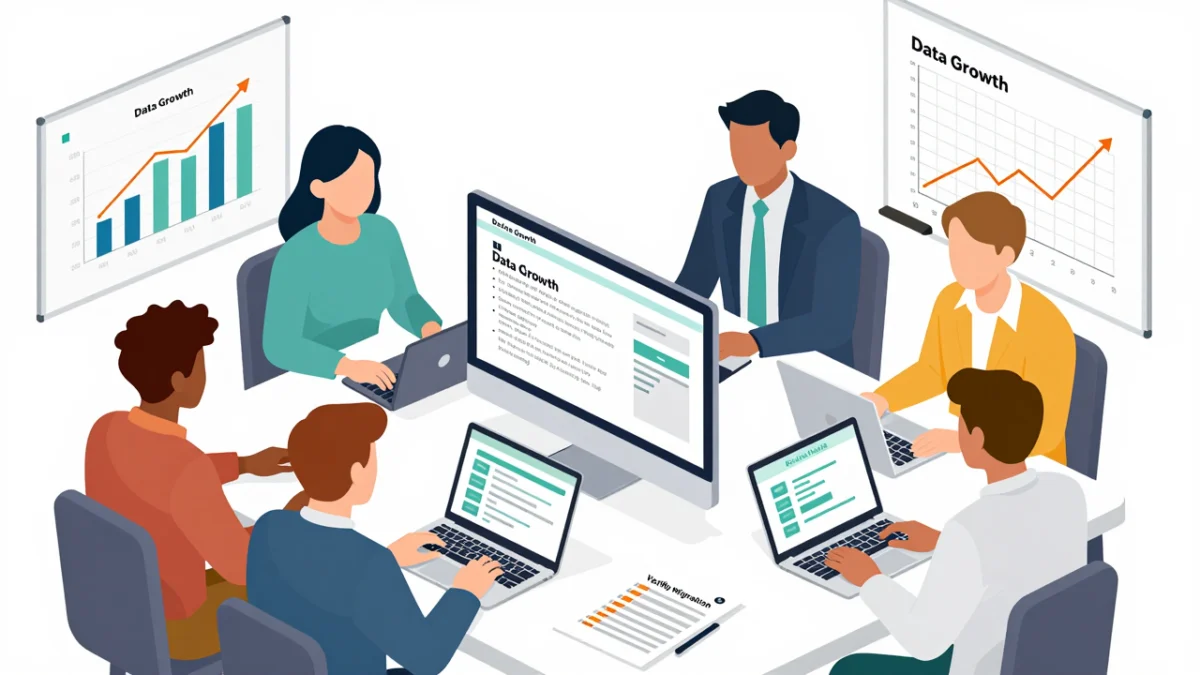
The economic impact of this decision cannot be overstated. According to industry reports and platform-provided data, the scale of the creator economy is now a pillar of the American workforce.
- TikTok’s Ecosystem: TikTok U.S. alone supports more than 8.5 million small businesses, many of which are owned by content creators. These businesses are not just content farms; they are legitimate commercial enterprises that employ video editors, accountants, marketing managers, and production assistants.
- Job Creation: Unlike traditional media companies, creator-led enterprises are highly agile. The SBA’s guidance is expected to catalyze a new wave of hiring, as creators seek to professionalize their operations to meet the rigorous reporting standards required for SBA-backed financing.
- Diverse Business Models: The classification covers a broad spectrum of digital ventures, including gaming, educational publishing, e-learning, and professional filmmaking. By simplifying size standards, the SBA is ensuring that small-scale creators—not just those with million-dollar production budgets—can access growth capital.
Official Responses: Government and Industry Leaders Weigh In
The move has been met with broad enthusiasm, signaling a rare moment of alignment between government agencies and digital-native businesses.
SBA Administrator Kelly Loeffler, in her official statement, framed the decision as a recognition of modern innovation. "America’s creators are entrepreneurs who build businesses from original ideas, unique audiences, and content into thriving small businesses that create jobs," Loeffler noted. Her endorsement underscores the SBA’s desire to pivot away from outdated bureaucratic definitions toward a more inclusive, digital-forward economic policy.
Industry figures have been equally vocal. Daniel Abas, Founder and President of the Creators Guild of America, praised the move as a watershed moment. "Thanks to the vision of the SBA and its leadership, the federal government has unequivocally affirmed this status," Abas said. "Millions of creators stand to benefit from a system that finally sees them for what they are: the engines of our modern creative economy."
Nicole Nason, Head of Public Policy at TikTok U.S., highlighted the strategic importance of this development. "This historic guidance places the SBA at the forefront of the creator economy and establishes clear pathways for modern entrepreneurs to expand their reach, create jobs, and fuel local economies," Nason remarked.
Implications: Navigating the New Regulatory Landscape
While the news is overwhelmingly positive, the transition to being classified as an "SBA-recognized small business" comes with new responsibilities. The "regulatory curtain" has been lifted, and with it comes a requirement for professionalization.
The Challenge of Compliance
Creators must now ensure their businesses are structured to meet SBA eligibility requirements. This includes:
- Formal Business Entity Structure: Moving away from sole proprietorships toward LLCs or Corporations to separate personal and business liabilities.
- Structured Financial Reporting: The SBA requires transparency in revenue, payroll, and tax filings. Creators who have previously operated with "informal" accounting will need to invest in professional bookkeeping to qualify for federal support.
- NAICS Code Compliance: Creators must accurately report their activities under the new NAICS standards. Misclassification could disqualify a business from specific aid programs.
The Path Forward
The SBA is currently accepting public comments on its proposed size standards rule, with the deadline set for November 20. This is a critical window for creators to voice their concerns or suggestions regarding how these rules are implemented. The agency has committed to providing resources, webinars, and one-on-one counseling to help creators navigate the transition.
Conclusion: A New Era for American Entrepreneurship
The SBA’s recognition of content creators as small businesses is more than a administrative update; it is a profound cultural shift. By providing a seat at the table of federal economic policy, the government is acknowledging that the future of American commerce is inextricably linked to the digital sphere.
For millions of creators, this change means the ability to scale, to invest in high-end equipment, to hire staff, and to weather economic downturns with the support of a federal safety net. As the economy continues to evolve toward digital-first interactions, this alignment ensures that the creators who shape our culture are also empowered to build the businesses of tomorrow.
Creators are encouraged to review their current business operations against the new SBA criteria. Whether you are an independent podcaster or a digital studio owner, the federal ecosystem is finally ready to recognize your contribution to the economy. For those ready to scale, the time to act is now.
For further details on eligibility and upcoming webinars, visit the official SBA Announcement.