For decades, the promise of solar power was tethered to a single prerequisite: homeownership. If you owned a house with a south-facing roof, you were invited to participate in the renewable energy transition. If you were a renter, lived in a multi-family apartment complex, or resided in a homeowner association (HOA) with strict architectural covenants, the green energy revolution was largely off-limits.
That paradigm is now shifting. Inspired by a booming "balcony solar" movement in Europe—where millions of apartment dwellers have already embraced plug-and-play energy—the United States is finally beginning to dismantle the regulatory and physical barriers that have long sidelined the urban population. As the technology matures and legislative momentum builds, balcony solar is poised to transform from a niche hobbyist project into a cornerstone of American distributed energy policy.
What is Balcony Solar?
At its core, "balcony solar" (often referred to as plug-in solar) represents the democratization of electricity generation. Unlike traditional rooftop arrays that require professional structural installation, electrical grid interconnections, and months of permitting, balcony solar is designed for modularity and ease of use.
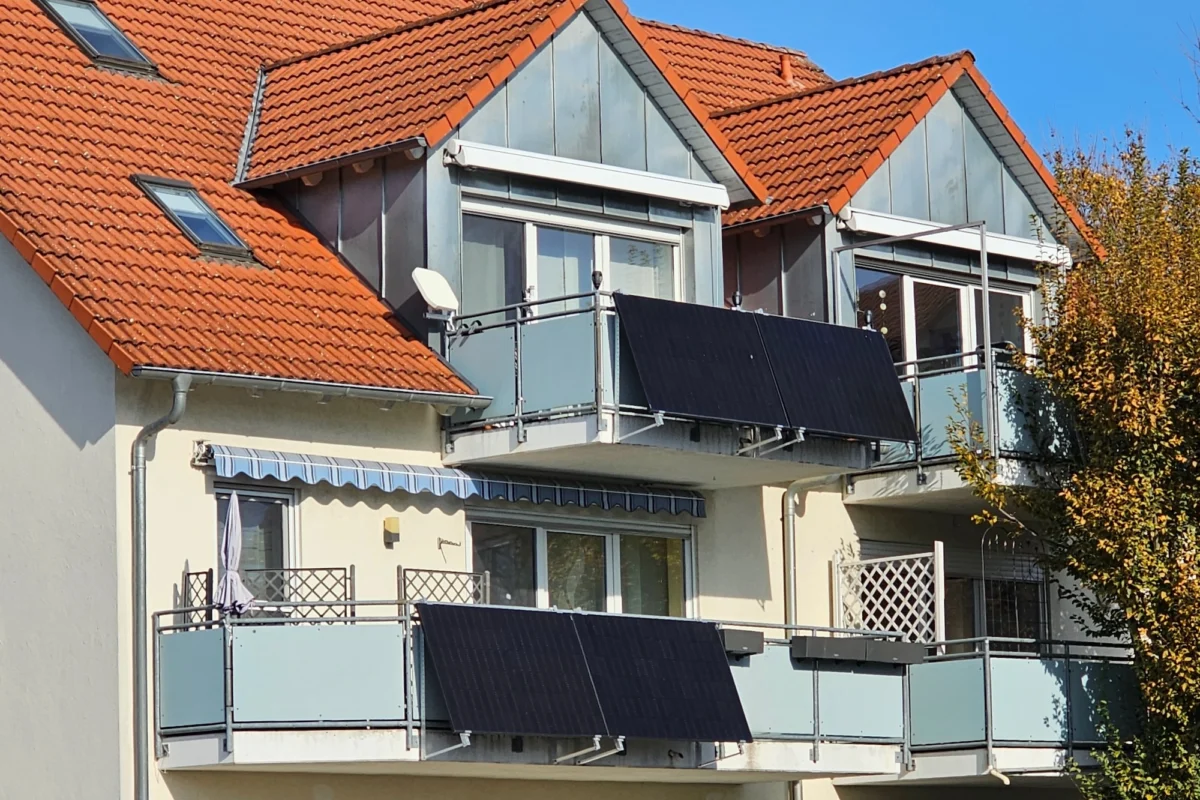
A typical system consists of one or two solar panels, a micro-inverter, and a specialized cable that plugs directly into a standard household wall outlet. These units can be mounted on balcony railings, secured to fences, or propped up on patios. Once connected, the inverter converts the DC electricity generated by the sun into AC power that synchronizes with the home’s internal electrical grid.
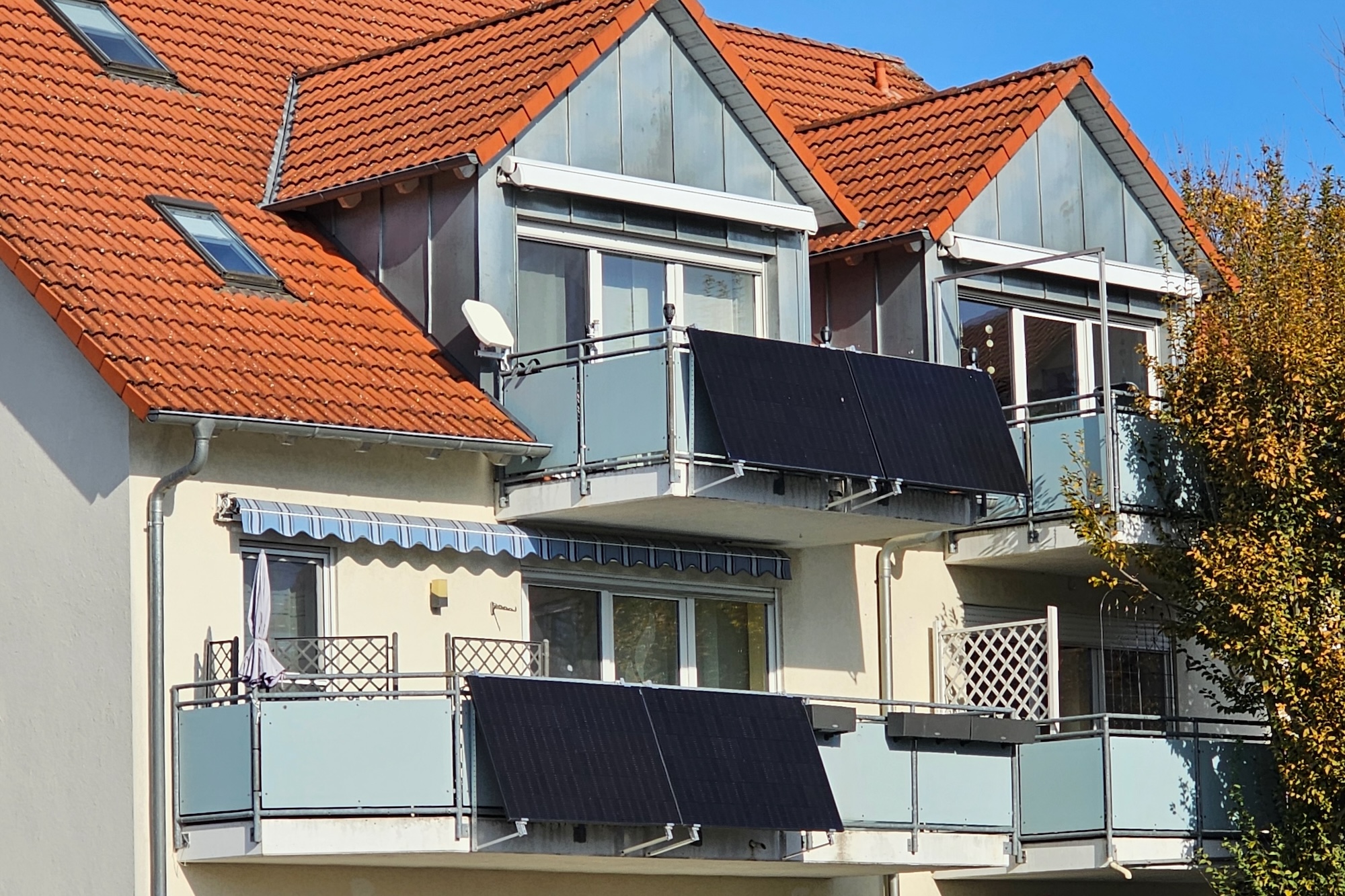
The energy flows into the home’s circuits, powering "baseload" appliances—such as refrigerators, Wi-Fi routers, and standby electronics—that draw constant power. By covering this "always-on" energy consumption, the panels effectively reduce the amount of electricity a tenant or owner must pull from the utility grid, resulting in a direct reduction of monthly utility bills.
A Chronology of the Movement: From Niche to Necessity
The history of balcony solar is a study in how technology can outpace bureaucracy.
- The Early 2000s: Balcony solar was a high-cost, low-impact hobby. Solar panels were prohibitively expensive, and the lack of standardized safety protocols meant most utility providers viewed plug-in systems as a liability, leading to strict, blanket bans across most jurisdictions.
- 2020–2024: As the cost of photovoltaic (PV) technology plummeted globally, Europe became the primary proving ground. Germany, in particular, led the charge, with its simplified Balkonkraftwerk (balcony power plant) regulations allowing citizens to register their devices with minimal friction. Today, an estimated 4 million units are active in Germany alone.
- 2025: A pivotal year for the U.S. market. Utah became the first state to pass comprehensive legislation intended to clear the way for plug-in solar, acknowledging that utility-based obstacles were artificially inflating costs and preventing adoption.
- December 2025 – January 2026: The most significant technical hurdle—safety certification—was cleared. UL Solutions, a global leader in safety science, officially launched the UL 3700 program. This provided the "gold standard" testing framework that insurers and local electrical inspectors needed to approve these systems for residential use.
- May 2026: Virginia Governor Abigail Spanberger signed landmark legislation that not only supported balcony solar but integrated it into a broader framework of distributed energy, signaling that state governments are now viewing small-scale solar as a legitimate tool for grid resilience.
Supporting Data: The Economics of Small-Scale Solar
The financial appeal of balcony solar is grounded in its accessibility. According to the solar marketplace EnergySage, a standard system—typically ranging from 400 to 800 watts—carries an entry price of $500 to $1,500. While these systems do not offer the massive output of a 12-kilowatt rooftop array, their return on investment is achieved through micro-savings.
On average, a balcony system can reduce monthly electricity bills by $15 to $50. At the lower end of that range, a $1,500 investment pays for itself in roughly eight years. While this may seem slow compared to high-return financial assets, it provides long-term insulation against rising utility rates.

However, the primary value proposition is not just the dollar amount saved; it is the accessibility to the solar market for the estimated 40% of U.S. households that rent. For these residents, balcony solar is the only way to engage with renewable energy. By allowing tenants to offset the power consumption of their constant-draw appliances, these systems provide a "partial solution" that can scale as more apartment buildings adopt them.
Regulatory Hurdles and the Path Forward
Despite the legislative wins in states like Virginia and Utah, the U.S. is not yet a "plug-and-play" paradise. The primary obstacles remain:
- Safety and Certification: Before the UL 3700 certification, local inspectors had no uniform way to determine if a system was safe to plug into a standard residential circuit. The lack of this framework previously forced homeowners to hire licensed electricians, often doubling or tripling the cost of the project and negating the financial benefits.
- Homeowner Association (HOA) and Rental Rules: HOAs have historically used aesthetic and safety concerns to ban solar installations. New legislation is beginning to curb this power, but the tension between property rights and architectural uniformity persists.
- Utility Resistance: Utilities have long been wary of uncontrolled power flowing back into the grid. Most current balcony solar systems are designed to "self-consume," meaning they do not feed power back to the grid, but utilities still require clear regulations to ensure that these devices do not pose a fire or electrical hazard during maintenance on the broader neighborhood grid.
Brightsaver, an advocacy group, reports that legislation supporting the technology has been introduced in over 45 states, with 10 states already having passed some form of protective measure. The trend is clear: state governments are beginning to see these devices as a low-risk, high-reward method for lowering consumer costs.
Official Responses and Implications
The shift in government stance is perhaps best summarized by Virginia Governor Abigail Spanberger. During the signing ceremony for Virginia’s balcony solar bill, she framed the technology not just as an environmental perk, but as an issue of national energy security.

"By diversifying our energy usage, we can make sure that Virginia families are less exposed to volatility," Gov. Spanberger stated. "That is what energy independence means in practice."
This perspective highlights the broader implications of the balcony solar movement. As the U.S. transitions toward a more decentralized grid, the importance of "Distributed Energy Resources" (DERs) cannot be overstated. Rooftop and balcony solar, combined with small-scale battery storage, reduce the burden on aging transmission infrastructure.
Robert Slone, chief scientist and vice president at UL Solutions, echoed this sentiment, noting that the UL 3700 standard is a "major step forward, helping remove regulatory uncertainty and making plug-in solar a potential choice for consumers across the U.S."
Conclusion: A Future of Micro-Generation
The balcony solar movement is still in its infancy in the United States, but it is no longer a fringe concept. The combination of falling technology costs, the arrival of standardized safety certifications, and a growing legislative appetite for energy independence has set the stage for rapid adoption.

While balcony solar will likely never replace the need for massive, utility-scale solar farms or comprehensive rooftop arrays, it fills a critical gap in the American energy landscape. It provides a pathway for renters and urban dwellers—groups previously excluded from the green economy—to take personal control of their electricity usage.
As more states follow the lead of Utah and Virginia, the sight of a small, sleek solar panel hanging from a city balcony may soon become as common in the U.S. as it is in the streets of Germany. The energy transition is no longer just happening on our roofs; it is moving to our walls, our railings, and our everyday lives.