By Editorial Staff
Published October 26, 2026
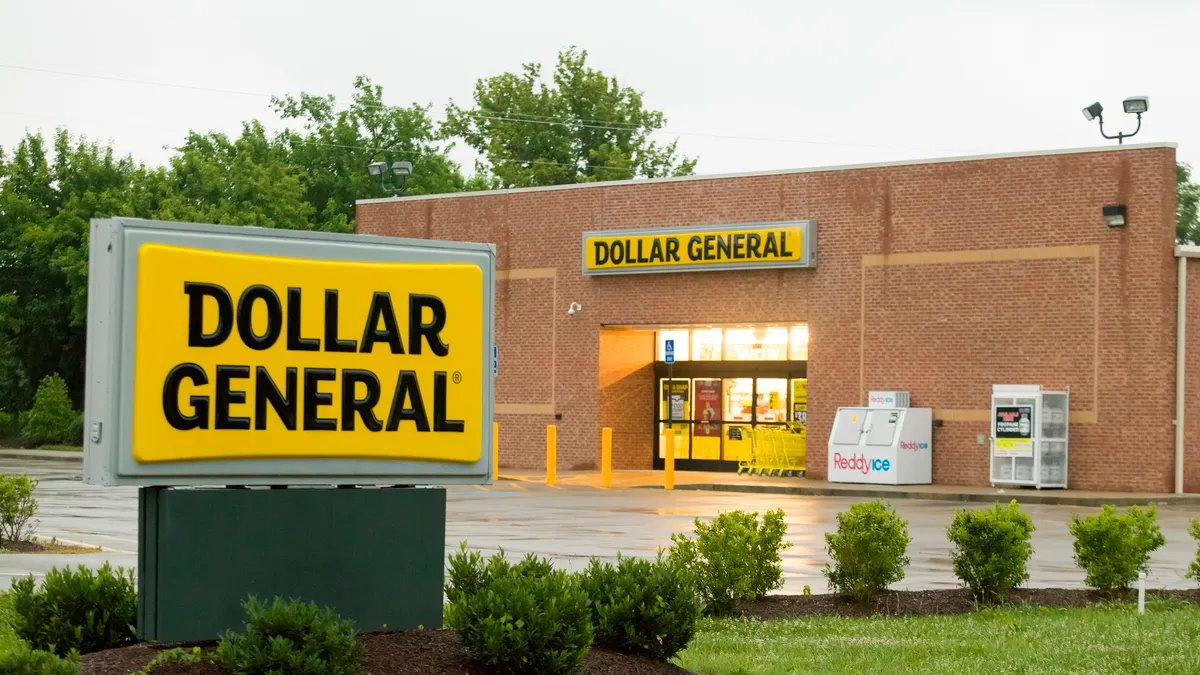
In a move that sends shockwaves through the discount retail sector, the Federal Trade Commission (FTC), in coordination with a coalition of 20 U.S. states, has filed a sweeping lawsuit against Dollar General. The legal action alleges that the retail giant has systematically engaged in deceptive pricing practices, charging customers at the register prices that consistently exceed those displayed on shelf tags, advertisements, and digital circulars.
The litigation, which highlights internal company communications and documented undercover investigations, paints a picture of a retailer that has prioritized rapid throughput and profit margins over consumer transparency, even as it serves a customer base that is increasingly sensitive to economic volatility.
The Core Allegations: A Breach of Consumer Trust
At the heart of the complaint is the allegation that Dollar General knowingly misled millions of shoppers. The FTC contends that these pricing discrepancies are not isolated incidents—such as an occasional human error in updating a shelf tag—but rather a pervasive pattern of behavior that has persisted despite thousands of internal red flags.
"Dollar General has betrayed the trust of millions of American consumers and imposed significant financial harm on communities and consumers who are already struggling to make their paychecks last," said Christopher Mufarrige, director of the FTC’s Bureau of Consumer Protection.
The lawsuit argues that the retailer’s business model relies on the promise of "low prices and value," yet the reality at the point-of-sale often contradicts these claims. By charging higher prices than those advertised, the company effectively extracts illicit gains from the very shoppers who rely on the brand’s budget-friendly reputation.

Chronology of a Regulatory Crackdown
The path to this litigation was not sudden. It was paved by years of mounting consumer frustration and regulatory scrutiny.
- 2023–2024: The Escalation of Complaints: Between January 2023 and March 2026, Dollar General recorded over 29,000 internal complaints specifically regarding "price honoring." These complaints represent only the tip of the iceberg, as many consumers likely failed to notice the discrepancy or chose not to report it.
- Early 2026: Undercover Investigations: Acting on tips and reports, the FTC launched a multi-state undercover investigation from January to April 2026. Investigators visited various Dollar General locations across Ohio, Pennsylvania, Missouri, and Maryland. The findings were uniform: in every single store visited, investigators were charged more at the register than the price indicated on the product labels or store shelves.
- The "Ohio Test": On January 16, 2026, a single undercover purchase at an Ohio Dollar General location revealed that 13 out of 58 items—nearly 25% of the total basket—scanned at a higher price than what was marked on the shelf.
- October 26, 2026: The FTC and the 20-state coalition officially filed the lawsuit, citing violations of the FTC Act, the Gramm-Leach-Bliley Act, and various state consumer protection statutes.
Supporting Data: Evidence of Systemic Negligence
The FTC’s complaint is supported by more than just anecdotal evidence; it includes partially redacted internal emails and company communications that suggest management was well aware of the pricing discrepancies.
The agency asserts that despite being notified repeatedly by consumers and failing multiple state-level pricing inspections, Dollar General neglected to implement robust policies or technological updates to rectify the issue. The complaint notes that the company’s register interface is designed in a way that makes it notoriously difficult for customers to verify the price of each item as it is scanned, effectively hiding the price hike until the transaction is completed.
This "fast-paced" environment at the checkout counter, combined with the high volume of items, prevents the average consumer from noticing that they are paying more than the advertised price for essential goods. By the time the receipt is reviewed at home, the transaction is closed, and the damage to the consumer’s wallet is done.
The Financial Landscape of the Defendant
The lawsuit arrives at a time when Dollar General is enjoying significant financial growth. In its Q2 2026 earnings report, the company announced that net sales jumped 5.2% year-over-year to $11.3 billion.
Interestingly, this growth is partially driven by a shifting demographic. As inflation and economic pressures persist, higher-income households have increasingly turned to dollar stores, viewing them as a necessary resource for budget management. During the August 2026 earnings call, CEO Todd Vasos highlighted the company’s "mature store base" and its dominance in rural communities as a "unique competitive advantage."

However, this competitive advantage is now under threat. Critics argue that by targeting vulnerable, rural populations with deceptive pricing, the company has exploited the very communities that provided its most loyal customer base. The disconnect between the CEO’s narrative of "serving small communities" and the reality of the FTC’s findings suggests a significant corporate culture failure.
Official Responses and Legal Implications
To date, Dollar General has remained largely silent on the specific accusations, having not provided a formal response to requests for comment from major media outlets.
Legal Ramifications
The legal battle is expected to be protracted. The coalition of 20 states suggests that this is a multi-jurisdictional issue, increasing the likelihood of significant fines, mandated changes to internal point-of-sale (POS) systems, and long-term oversight by federal regulators.
If the courts rule in favor of the FTC, Dollar General could be forced to:
- Pay restitution: Returning the overcharged amounts to consumers, a process that could be administratively complex given the sheer number of affected transactions.
- Revamp POS Systems: Mandating real-time price verification displays for consumers at the register.
- Third-Party Audits: Subjecting their inventory and pricing systems to permanent, independent oversight to ensure future compliance.
Broader Implications for the Retail Industry
The Dollar General lawsuit serves as a warning shot to the entire retail industry. As more retailers move toward digital pricing tags and increasingly complex inventory management systems, the potential for "glitches" that favor the retailer is high.
Industry analysts suggest that this case may spark a new wave of state-led consumer protection lawsuits. For retail giants, the lesson is clear: if the price on the shelf does not match the price at the register, it is no longer being viewed as a minor clerical error. It is being viewed as a deceptive practice.

As the case moves through the court system, the focus will likely shift to the internal communications that were redacted in the initial complaint. If these documents prove that executives were aware of the pricing errors and chose not to fix them because the overcharges were boosting their bottom line, the company could face not only civil penalties but a profound crisis of reputation that may take years to mend.
Conclusion
The FTC’s lawsuit against Dollar General is a pivotal moment for consumer advocacy. It highlights the disparity between the promises made by corporations to their customers and the daily reality of their business operations. As the investigation continues, the retail industry will be watching closely to see if the "dollar store" model can survive the scrutiny of federal regulators, or if this marks the beginning of a new era of strict accountability for how retailers present prices to the American public.
For the millions of shoppers who frequent these stores, the outcome of this case will be a defining factor in whether they can continue to trust the price tags they see on the shelf. For now, the message from the FTC is clear: the era of "convenient" deception is over.