Google and RWE Forge 15-Year Partnership to Power Oklahoma’s Energy Future
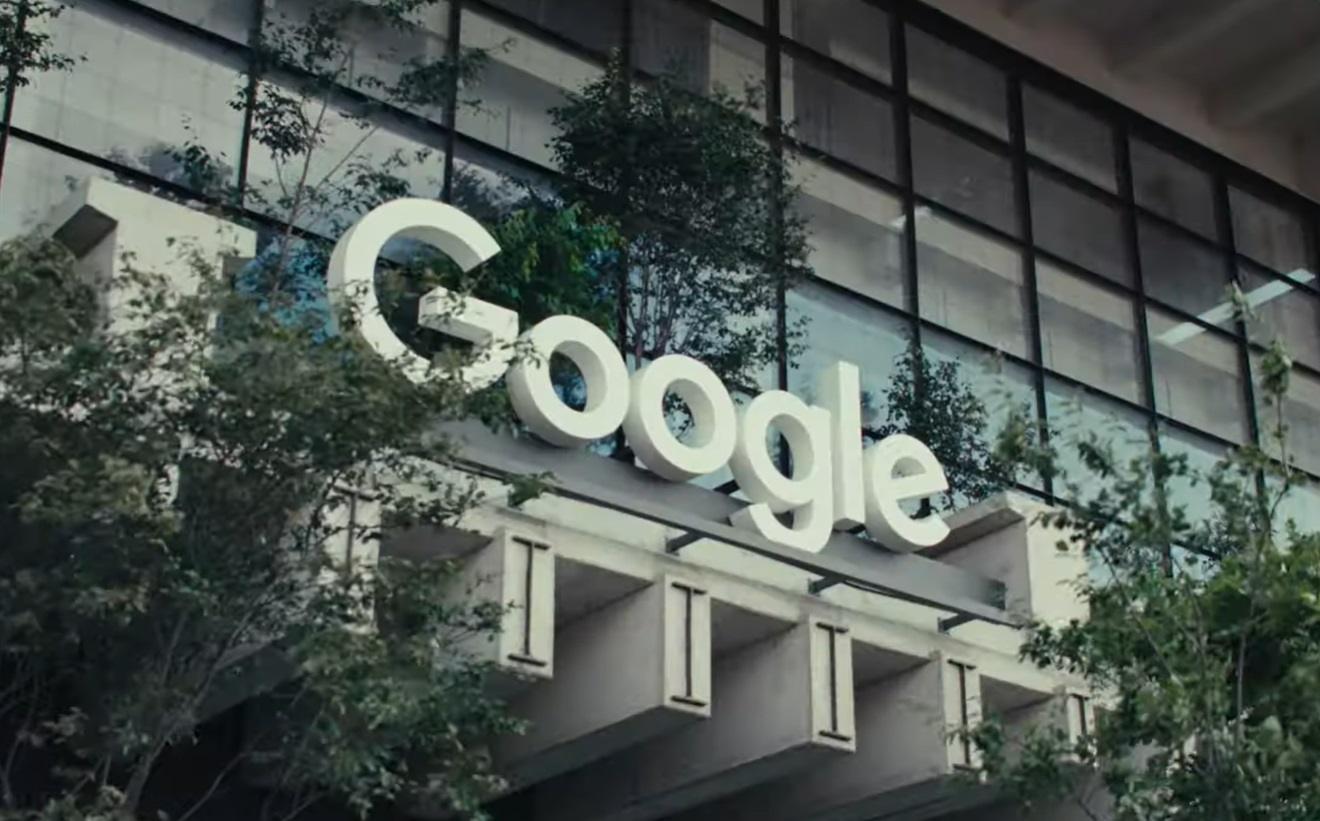
In a significant move to bolster its renewable energy portfolio, Google has entered into a 15-year Power Purchase Agreement (PPA) with German energy giant RWE. The agreement secures the entire output of a new 155-megawatt (MW) solar installation, known as the Crooked Creek solar project, located in McCurtain County, Oklahoma. This partnership underscores the growing symbiosis between global technology leaders and large-scale utility providers as the race to sustain energy-hungry artificial intelligence (AI) infrastructure intensifies.
Main Facts: The Crooked Creek Initiative
The Crooked Creek solar project represents a strategic investment in the Southwest Power Pool (SPP), a regional transmission organization that serves a vast swath of the central United States. By securing 100% of the project’s capacity, Google is effectively anchoring a new source of clean energy to the regional grid.
Project Capacity: 155 MW of solar energy.
Contract Duration: 15 years.
Location: McCurtain County, Oklahoma.
Operational Timeline: Construction is slated to begin in late 2026, with the facility expected to reach full commercial operation by 2028.
Strategic Goal: To supply locally produced, renewable power to the grid, helping Google meet its operational energy demands in the region.
The project is more than just a source of electricity; it serves as a cornerstone for local development. By leveraging RWE’s expertise in large-scale renewable development, the initiative aims to prove that corporate sustainability goals can go hand-in-hand with regional economic stimulation.
Chronology of Development and Economic Impact
The timeline for the Crooked Creek project is designed to align with the escalating energy requirements of the digital economy. With construction starting in late 2026, the project will move through several phases of development that promise to inject substantial capital into the Oklahoma economy.
The Construction Phase (2026–2028)
During the construction phase, the project is expected to become a major engine for local employment and fiscal growth:
Economic Activity: The project is projected to generate roughly $24.3 million in local economic activity.
Tax Contributions: An estimated $1.4 million in state and local tax revenue will be funneled into the community during the construction period.
Employment: The site will require a workforce of up to 250 personnel at the peak of construction, providing a boost to local trades and labor markets.
The Operational Phase (2028 and Beyond)
Once the solar panels are energized, the long-term benefits to McCurtain County are expected to be substantial. Over the life of the project, RWE estimates approximately $25 million in revenue will be directed toward the county. These funds are earmarked for critical infrastructure and community services, including:
Supporting county government programs.
Funding local emergency medical services (EMS).
Supporting the Broken Bow School District.
Financing regional technology education centers, fostering the next generation of the local workforce.
Supporting Data: Google’s Evolving Energy Landscape
Google’s reliance on renewable energy has reached a critical juncture. As the company pushes deeper into the development of generative AI and machine learning, its data center footprint has expanded exponentially, leading to unprecedented electricity demand.
The 2025 Energy Spike
According to Google’s most recent Environmental Report, the company witnessed a 37% surge in electricity demand during 2025. This data highlights the massive computational power required to sustain modern AI models. Despite this increase in load, Google reported a 2% reduction in its Scope 1 and 2 greenhouse gas emissions for the same year.
This success is attributed to the company’s aggressive procurement of clean energy. By signing long-term agreements like the one with RWE, Google is "decoupling" its growth from carbon emissions. However, the report also offers a sobering reality: while operational (direct) emissions are being curtailed, the company’s value chain (Scope 3) emissions continue to rise, presenting a significant challenge to its net-zero objectives.
The "Moonshot" Challenge
Google has long maintained a "moonshot" goal of achieving 24/7 carbon-free energy (CFE). As the company acknowledges, this is becoming increasingly difficult. The pace of AI infrastructure deployment is currently outpacing the rate at which the regional power grids are decarbonizing. Therefore, projects like Crooked Creek are not just "nice to have"—they are essential infrastructure requirements for Google to maintain its trajectory toward a carbon-free future.
Official Responses and Strategic Rationale
The partnership reflects a shared commitment between the tech sector and traditional energy developers to navigate the complexities of the modern power market.
Ingmar Ritzenhofen, Chief Commercial Officer at RWE Americas, stated:
"Crooked Creek Solar demonstrates how strategic partnerships can accelerate new energy development while creating jobs, generating local tax revenue and strengthening communities. We’re proud to work with Google to help power its operations, while supporting Oklahoma’s continued economic growth with affordable, American-made energy."
Ritzenhofen’s comments highlight the dual nature of modern energy projects: they must satisfy both corporate ESG (Environmental, Social, and Governance) mandates and the economic requirements of the host municipalities.
Will Conkling, Director of Energy and Power at Google, noted:
"Supporting a strong, stable, affordable grid is a top priority as we expand our infrastructure. Our agreement with RWE adds critical new generation to the local system, boosting the amount of affordable and reliable power supply for Oklahoma and the region."
Conkling’s emphasis on grid stability is telling. For a company like Google, energy reliability is as important as sustainability. By investing in local generation, Google is hedging against grid volatility and ensuring that the infrastructure supporting its data centers remains robust.
Implications: The Intersection of AI and Renewable Energy
The Crooked Creek project is a microcosm of a much larger, global trend. The intersection of artificial intelligence and energy production has created a "new reality" for both the tech industry and utility providers.
The Grid Decarbonization Gap
The primary implication of this agreement is that large tech corporations have effectively become "anchor tenants" for the green energy transition. By guaranteeing a 15-year revenue stream, Google allows developers like RWE to secure financing and move projects from the drawing board to the grid much faster than would be possible through traditional market mechanisms.
However, there is a systemic tension. While renewable energy is becoming cheaper and more abundant, it is also intermittent. Integrating massive amounts of solar power into a grid that must operate 24/7 requires sophisticated energy management and, in many cases, battery storage—technologies that are also becoming part of the procurement conversation.
The Regional Economic Shift
For states like Oklahoma, the influx of tech-driven renewable energy projects represents a major economic transition. Historically dependent on fossil fuel extraction, states in the central U.S. are finding that their geography—characterized by ample land and sun—is becoming a competitive advantage in the digital age. The $25 million in revenue projected for McCurtain County is a testament to the fact that clean energy can provide stable, long-term funding for public schools and emergency services, potentially replacing or augmenting the economic benefits once tied solely to oil and gas.
ESG and the Value Chain
Finally, the project illustrates the shifting focus of corporate sustainability. Google’s ability to reduce Scope 1 and 2 emissions while its overall power consumption climbs demonstrates the efficacy of the PPA model. Yet, the challenge of Scope 3 emissions (the energy used to manufacture the hardware, build the data centers, and run the supply chain) remains. The Crooked Creek project is a step forward, but the broader industry consensus suggests that reaching "net-zero" will require a fundamental transformation of not just how companies buy power, but how they manufacture the infrastructure that consumes that power.
In conclusion, the Google-RWE agreement is more than a standard business contract. It is a strategic hedge against energy instability and a critical component of the corporate effort to balance rapid technological innovation with the urgent necessity of global decarbonization. As the project breaks ground in late 2026, it will stand as a benchmark for how multinational corporations can contribute to both local community development and the global imperative for clean energy.