
By Editorial Staff
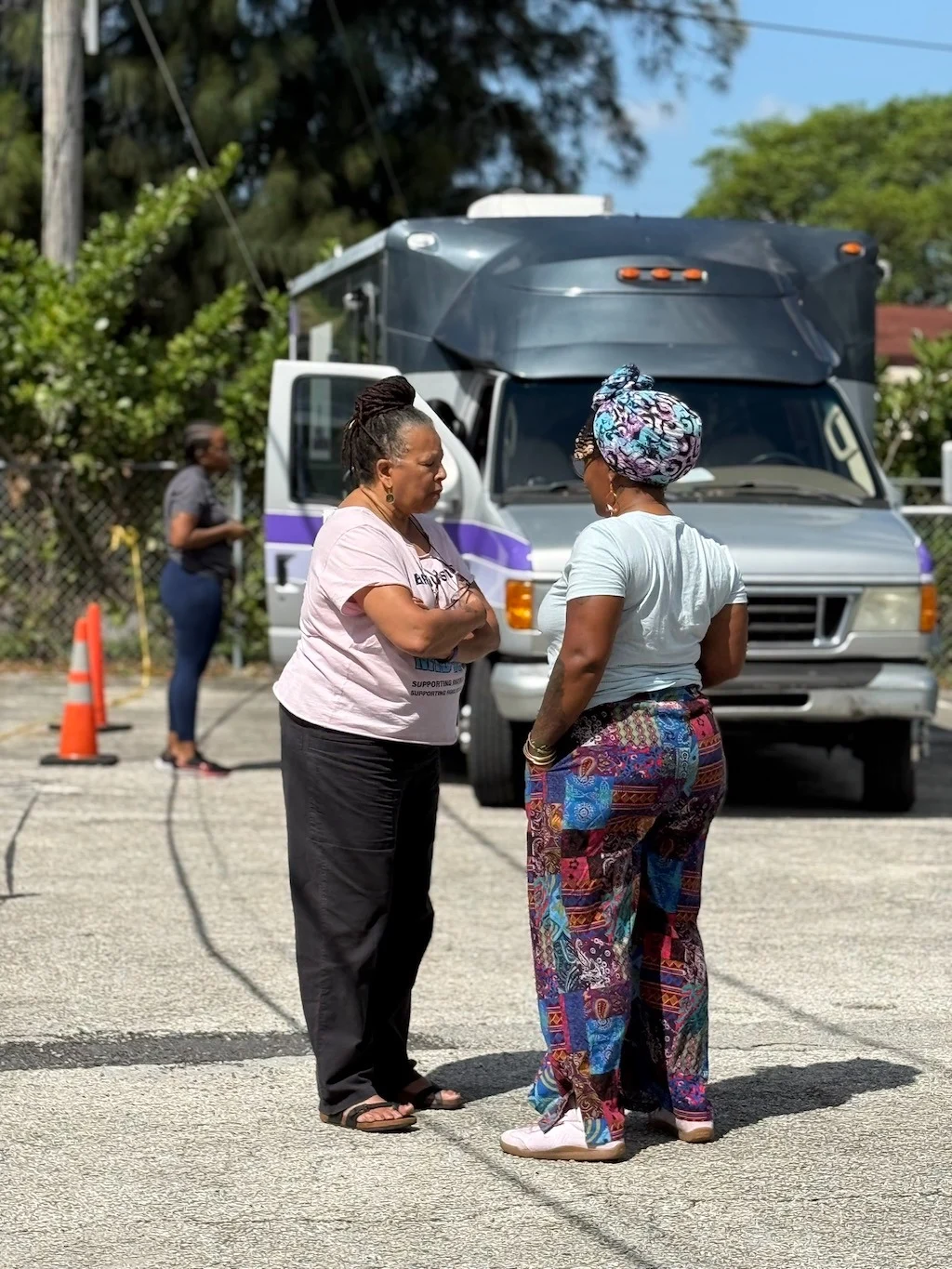
In the quiet corners of Miami-Dade County, inside a customized RV fitted with tie-dyed purple sheets and a heartbeat of advocacy, a quiet revolution in healthcare is taking place. As traditional medical infrastructure continues to fracture under the pressures of staffing shortages and systemic bias, the Southern Birth Justice Network (SBJN) is bypassing the brick-and-mortar limitations of the American healthcare system. They are bringing prenatal, postpartum, and comprehensive wellness care directly to the doorsteps of those who have been systematically underserved: Black and Latino families.
The State of Maternal Health: A Crisis of Access and Equity
The United States currently faces a maternal mortality crisis that distinguishes it sharply from other high-income nations. Statistics from the Centers for Disease Control and Prevention and various public health research bodies consistently highlight a harrowing disparity: Black women are three times more likely to die from pregnancy-related causes than their white counterparts. For American Indian and Alaska Native women, the risk is double.
These numbers are not merely abstract data points; they are the result of decades of structural barriers, including geographic "maternity deserts," where labor and delivery units have shuttered, leaving thousands without local care. Last year alone, more than two dozen hospital-based maternity units closed across the country, including several in South Florida.
When hospital systems contract, patients—particularly those reliant on Medicaid or those without insurance—are often forced to choose between long, prohibitive travel times or foregoing prenatal care entirely. The Southern Birth Justice Network recognizes that when the healthcare system is inaccessible, the health of the community inevitably declines.
A Legacy of Resistance and Care
To understand the mission of the SBJN, one must look at the historical context of Black midwifery. For generations, Black midwives were the bedrock of reproductive health in the American South. Often working in the shadow of Jim Crow-era segregation and systemic exclusion, these women were more than just birth attendants; they were social pillars and keepers of ancestral wisdom.
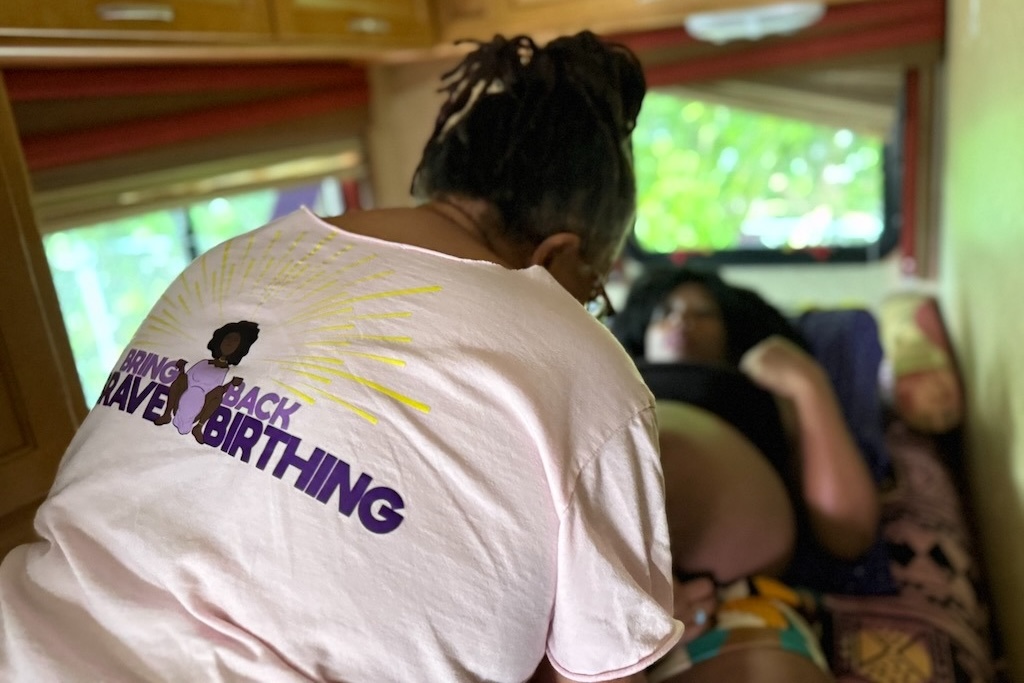
Jamarah Amani, executive director of the SBJN, emphasizes that the modern mobile clinic is a continuation of this heritage. "We talk about the legacy of Black midwives as healthcare providers, but also as social pillars, as community leaders, as resistors of oppression," Amani explains.
During the 20th century, the medical establishment engaged in active campaigns to marginalize midwifery, often deploying racist and sexist rhetoric to label traditional practices as "unhygienic" or "barbarous." This concerted effort to professionalize obstetrics at the expense of midwifery contributed to the loss of a vital community resource. The SBJN’s current efforts—symbolized by the inclusion of a ceremonial drum in their outreach—represent a reclamation of that tradition, blending ancient cultural practices with modern, evidence-based care.
Chronology of a Grassroots Movement
The origins of the current mobile unit can be traced back to the foundational work of the late midwife Ada "Becky" Sprouse. In 2008, Sprouse began operating a mobile clinic to serve migrant farmworkers in the agricultural hub of Homestead, Florida. Recognizing that the agricultural workforce was frequently excluded from mainstream medical facilities, Sprouse provided care that was essential, compassionate, and entirely free.
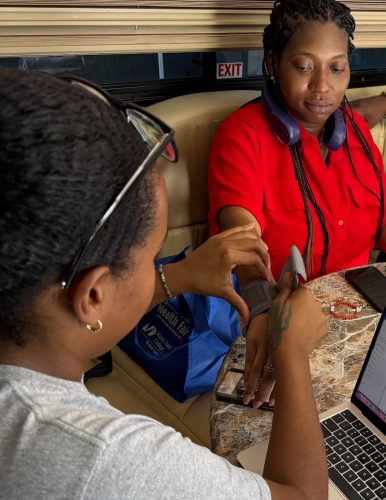
Following her passing, Jamarah Amani inherited the vision, relaunching and expanding the unit under the banner of the Southern Birth Justice Network. The model has since evolved into a holistic service provider that includes:
- Comprehensive Prenatal and Postpartum Care: Routine checkups, blood pressure monitoring, and health screenings.
- Doula Support: Integrating emotional and physical support throughout the birthing process.
- Social Services Integration: Providing resources for mental health, nutrition, and guidance on patients’ rights.
- Policy Advocacy: Challenging state-level restrictions that prevent nurse-midwives from practicing independently.
The Patient Experience: Restoring Dignity
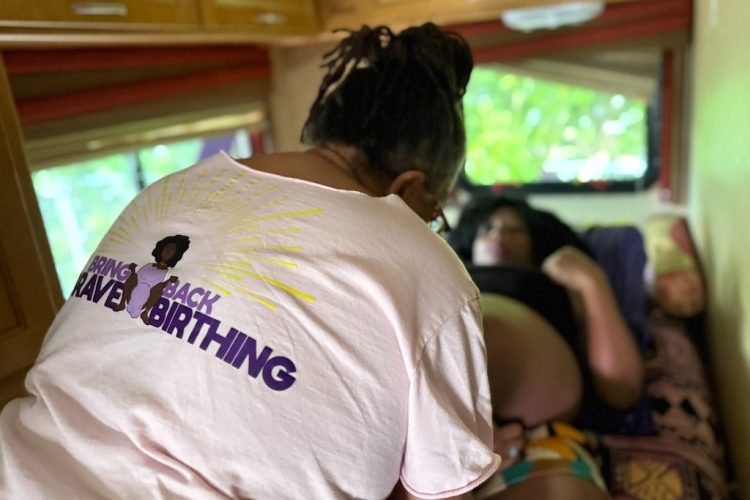
For patients like Isis Daaga, the mobile clinic offers a starkly different experience than the hospital settings they fear. Daaga, a mental health therapist who is 35 weeks pregnant, recounts a traumatic previous birth where she felt her bodily autonomy was stripped away. "They literally held my knees together," she recalls of the hospital staff, who waited for a doctor to arrive while she was in active labor. The result was a severe injury and deep psychological distress.
At the mobile clinic, the atmosphere is deliberately unrushed. Sheila Simms Watson, affectionately known as "Mama Sheila," leads appointments with a calm, attentive focus that allows patients to voice their fears about conditions like pre-eclampsia or general anxieties about pregnancy.
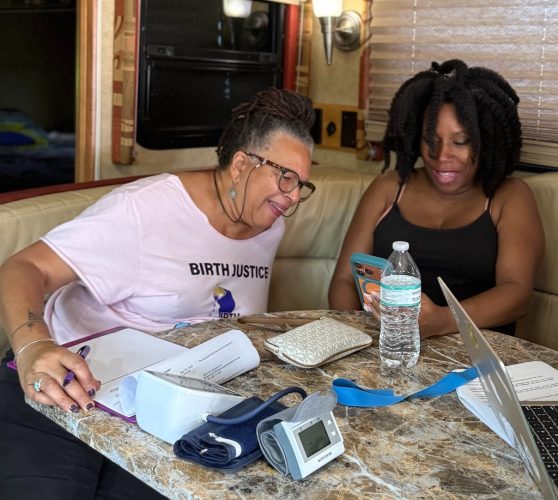
"They make me feel the way I try to make my clients feel—like it’s a safe space," Daaga says. "You’re not judged here."
This "concierge-style" care is usually reserved for the wealthy, but the SBJN is proving that it is a fundamental human right. About 70% of the clinic’s clients are on Medicaid or are uninsured, with funding primarily sourced through federal grants, university partnerships, and private donations.
Supporting Data: Why Midwifery Matters
The push for midwifery is not just a moral imperative; it is backed by clinical data. Research consistently shows that midwives are associated with lower rates of C-sections, fewer instances of preterm labor, and higher levels of patient satisfaction.

Dr. Jamila Perritt, an OB-GYN and president of Physicians for Reproductive Health, notes that the current regulatory environment in many Southern states hinders these outcomes. "Expanding access to midwifery care, and expanding collaborations between physicians and midwives, only improves outcomes," she asserts.
Despite this, states like Mississippi and Georgia continue to face litigation over laws that require nurse-midwives to operate under restrictive agreements with physicians—agreements that critics argue serve no purpose other than to limit competition and reduce access to care.
Official Responses and Systemic Implications
The academic community is taking note of the Southern Birth Justice Network’s success. Ndidiamaka Amutah-Onukagha, a professor at Tufts University and a noted scholar in maternal health, suggests that the mobile unit model is a necessary disruption.

"It really helps to disrupt this idea that patients must navigate these complex systems to receive care," Amutah-Onukagha says. "Instead, [mobile midwifery] reimagines care as something that should be responsive to the needs of patients and should be community-centered."
However, the road ahead remains challenging. Mobile clinics are still less common for midwifery than for dentistry or general family medicine. Furthermore, the reliance on grants means that sustainability is a constant concern. The SBJN is currently working to secure a permanent, freestanding birth center to complement their mobile operations, signaling a transition from emergency outreach to long-term community infrastructure.
Looking Toward the Future: A Scalable Model?
As the Southern Birth Justice Network prepares for the next phase of its growth—including a larger, more sophisticated RV and a permanent birth center—their work serves as a blueprint for other regions struggling with maternal health deserts.

The strategy is twofold:
- Immediate Access: Provide direct, high-quality care to vulnerable populations to lower mortality and morbidity rates today.
- Structural Reform: Engage in legal and policy battles to ensure that the scope of practice for midwives is expanded, allowing them to work to the full extent of their training.
The success of the SBJN demonstrates that when healthcare is stripped of the cold, administrative barriers that define modern medicine, and replaced with culturally competent, patient-centered care, outcomes improve. The "brave birthing" movement is not just about delivering babies; it is about delivering justice to the families of Miami and, eventually, the nation.
As long as the small drum remains at the booth, symbolizing the heartbeat of the community, the Southern Birth Justice Network will continue its work: one checkup at a time, one mile at a time, ensuring that the legacy of the Black midwife remains not just a part of history, but a vibrant, living part of the future of American healthcare.