
In a move that signals a seismic shift in how tech giants approach energy procurement, Amazon has announced a massive 700 MW investment in carbon-free generation and storage within Nevada. This ambitious initiative is designed to underpin the company’s expanding data center footprint in the Reno area, marking a strategic pivot toward "firm" power—energy that is available around the clock regardless of weather conditions.
The portfolio is split into two major components: a 100 MW geothermal power purchase agreement (PPA) with Salt Lake City-based Zanskar, and a 600 MW solar-plus-storage project developed by Primergy. By integrating these resources, Amazon is not merely offsetting its carbon footprint; it is actively bolstering the resiliency and capacity of the Nevada grid.
Main Facts: The Anatomy of a 700 MW Clean Energy Portfolio
The core of the agreement centers on the transition from intermittent renewable energy to firm, baseload power. While wind and solar have been the workhorses of the corporate renewable energy transition, their inherent variability presents challenges for high-load, 24/7 operations like hyperscale data centers.
The Zanskar Geothermal PPA
The 20-year PPA with Zanskar represents a landmark commitment to geothermal energy. Under the deal, Zanskar will deliver 100 MW of geothermal power to NV Energy by 2030. This power is slated to flow through a portfolio of geothermal sites that Zanskar is currently developing across Nevada, including identified projects such as Pumpernickel and Big Blind. The contract is currently awaiting approval as part of NV Energy’s 2026 Integrated Resource Plan (IRP) before the Public Utilities Commission of Nevada.
The Primergy Solar-Storage Hybrid
Complementing the geothermal output is a 600 MW solar array coupled with 600 MW of battery energy storage systems (BESS) provided by Primergy. This hybrid approach is designed to maximize the utility of solar energy by capturing peak daytime generation and injecting it into the grid during high-demand evening hours, effectively extending the lifespan of solar-generated electrons.
Chronology: A Path to 2030
The road to this announcement has been marked by a series of rapid developments in geothermal technology and corporate sustainability strategies:
- Pre-2025 Foundation: Zanskar establishes itself as a leader in geothermal innovation, leveraging artificial intelligence and computational geoscience to de-risk drilling.
- Recent Funding Milestones: Zanskar secures $115 million in Series C funding and an additional $40 million in development capital, alongside a GEODE agreement with CC Power, positioning the company for large-scale infrastructure deployment.
- The 2026 IRP Submission: NV Energy prepares its 2026 Integrated Resource Plan, which includes the Amazon-backed geothermal portfolio as a cornerstone for Nevada’s future grid stability.
- The 2030 Horizon: The deadline for the delivery of the full 700 MW portfolio to the Nevada grid, coinciding with the projected maturation of Amazon’s Reno data center expansion.
Supporting Data: Why Geothermal is the "Holy Grail" for Big Tech
The data center industry is currently facing an unprecedented surge in electricity demand, driven primarily by the computational requirements of generative AI and large language models. As energy needs grow, "intermittent" renewable energy is increasingly viewed as insufficient for data centers that require 99.999% uptime.
The Power of Firmness
Unlike solar, which provides no power at night, or wind, which fluctuates based on atmospheric conditions, geothermal energy acts as a "baseload" resource. By tapping into the Earth’s internal heat, geothermal plants provide a constant flow of electricity. For Amazon, this is the first time it has integrated dedicated geothermal generation into its data center operations, setting a new benchmark for how the tech industry views power security.
Financial and Operational Scale
Amazon’s current portfolio is vast, spanning over 700 projects globally totaling more than 40 GW of clean energy. To put this in perspective, that output is theoretically sufficient to power more than 12 million U.S. homes. The Nevada investment is unique, however, because Amazon has explicitly stated that it will cover all associated costs for the new infrastructure. By insulating residents and businesses from the costs of this grid expansion, Amazon is attempting to avoid the common political friction that often accompanies large-scale energy development.
Official Responses and Strategic Vision
Industry stakeholders have lauded the agreement as a validation of emerging geothermal technologies. Ryan McGraw, Chief Development Officer of Zanskar, emphasized the dual-nature of the project’s success.

"Geothermal is one of the few energy sources uniquely positioned to deliver affordable, around-the-clock power," said McGraw. "Not only can it deliver reliable, carbon-free power with existing technologies, but it’s also uniquely suited to scale and meet growing electrical needs for years to come."
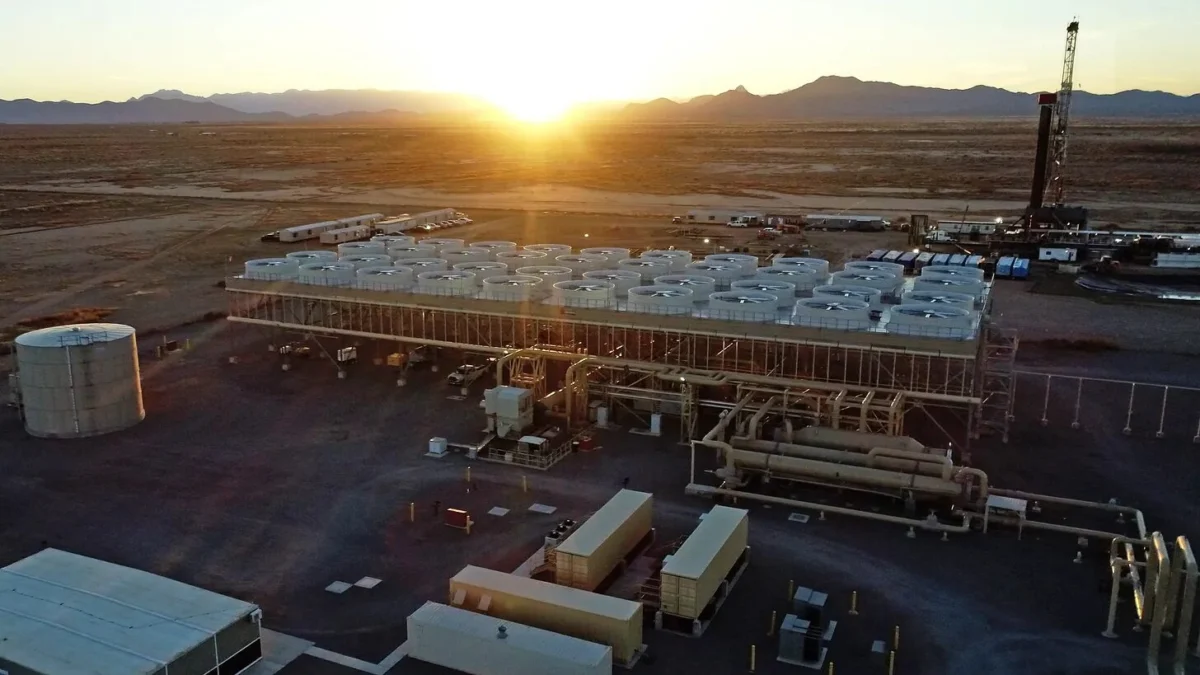
McGraw characterized the Amazon partnership as a "significant step" in the broader effort to modernize the American energy landscape. For Zanskar, the project is a testament to their proprietary technology—a mix of AI-driven exploration and modern drilling techniques—which has already produced the most productive pumped geothermal well in the United States at their Lightning Dock facility in New Mexico.
Amazon, for its part, has framed this investment as part of its "Climate Pledge" and a necessity for its long-term growth. By moving beyond traditional solar and wind procurement, the company is effectively acting as an anchor tenant for a new generation of geothermal power plants that might otherwise struggle to secure financing.
Implications: A New Era for the Energy Grid
The implications of this deal are far-reaching, affecting both the technology sector and the utility industry at large.
1. The Decoupling of Tech from Public Grid Costs
One of the most sensitive aspects of the energy transition is the potential for rate increases for local customers. Amazon’s decision to cover the capital expenditure for the infrastructure surrounding these projects is a strategic move to secure "social license to operate." It mitigates the risk of public pushback and provides a template for other major corporations looking to scale their data center footprints without destabilizing local energy prices.
2. Validation of Advanced Geothermal
Geothermal energy has historically been relegated to the sidelines of the renewable energy conversation due to the high costs and risks associated with finding and drilling into hot rock formations. Zanskar’s use of artificial intelligence to identify "hidden" geothermal resources acts as a bridge between speculative exploration and proven, bankable assets. By securing a 20-year PPA, Amazon is effectively providing the "demand signal" that the geothermal industry has lacked for decades.
3. Grid Flexibility as a Competitive Advantage
The combination of solar, battery storage, and geothermal creates a "firming" effect that provides NV Energy with unprecedented flexibility. In the past, utilities had to rely on natural gas-fired "peaker" plants to meet demand when the sun went down. This new hybrid portfolio allows the grid to operate with a cleaner, more reliable profile, effectively turning renewable resources into a steady, industrial-grade power supply.
4. A Precedent for Future Data Center Hubs
As data center clusters continue to pop up in regions with limited grid capacity, the "Nevada Model" will likely be scrutinized by developers in states like Virginia, Texas, and Oregon. If the Zanskar-Amazon project proves successful in delivering the promised 100 MW of baseload geothermal by 2030, it could trigger a nationwide boom in geothermal investment, finally allowing the tech industry to meet its AI-driven energy needs without relying on fossil fuel backups.
Conclusion
Amazon’s $700 million investment in Nevada is more than a simple energy procurement deal; it is a strategic maneuver that bridges the gap between the intermittent nature of renewables and the constant demand of modern digital infrastructure. By backing Zanskar’s geothermal innovation and Primergy’s solar-storage arrays, Amazon is betting on the future of grid reliability.
As the digital economy continues to expand, the ability to source 24/7, carbon-free electricity will likely become the single most important competitive advantage for tech companies. With this agreement, Amazon has demonstrated that the path to a sustainable future is not just about producing more energy, but about producing the right kind of energy—firm, reliable, and decoupled from the volatile price pressures of the traditional market. The success of this project will be a defining metric for the energy transition as we approach the next decade.