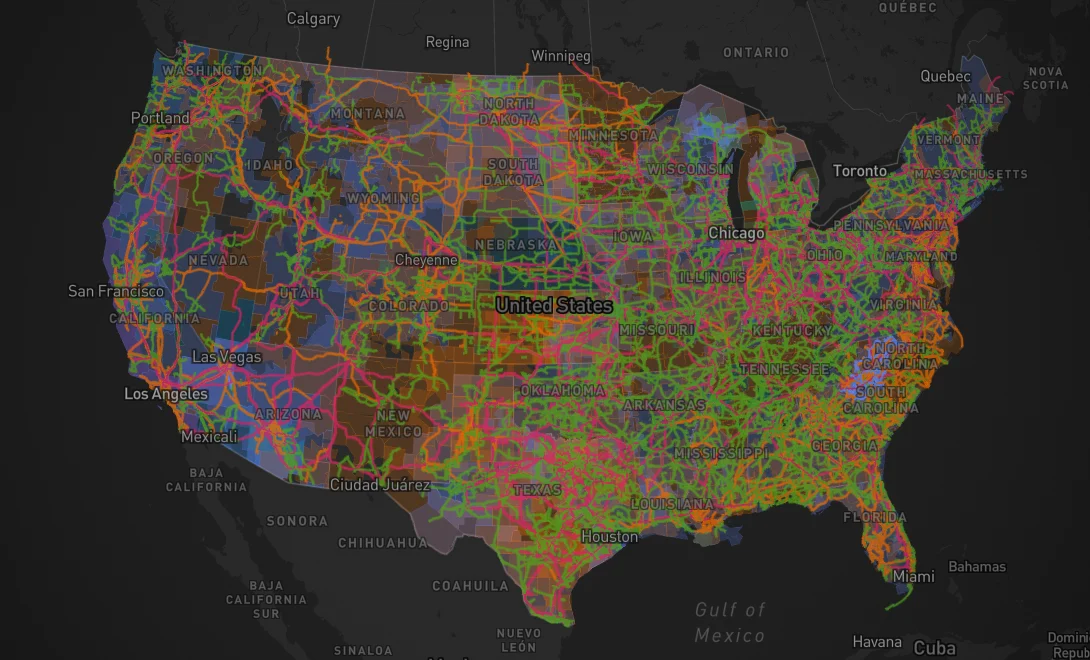
In an increasingly diverse United States, the linguistic landscape of the American home is shifting. According to recent census data, more than 20% of U.S. households now speak a language other than English at home, with Spanish standing as the predominant secondary language. This demographic evolution presents both a challenge and a profound opportunity for the educational sector: how to ensure that every child, regardless of their native tongue, receives the foundational support necessary to thrive in the classroom.
PNC Financial Services has long recognized that the key to closing the achievement gap lies in accessibility. Since 2004, the company’s flagship early childhood education initiative, PNC Grow Up Great, has operated under a dual-language framework. By institutionalizing its Spanish-language identity—PNC Crezca con Éxito—the organization is not merely translating materials; it is fostering an environment where bilingualism is treated as a foundational pillar of academic success.
The Evolution of Inclusion: A Chronology of Commitment
The journey of PNC Crezca con Éxito is not a recent pivot, but rather the result of a long-term strategic vision that began nearly two decades ago.
2004: The Inception of Grow Up Great
When PNC launched Grow Up Great in 2004, the vision was to leverage the bank’s resources to improve school readiness for children from birth to age five. Leadership recognized early on that a one-size-fits-all approach would fail to serve the diverse populations in the communities they operated in. From the outset, the program integrated Spanish-language resources, acknowledging that parents are more engaged when the tools provided reflect their lived experiences and linguistic background.
2010s: Scaling Bilingual Advocacy
As the initiative grew, so did the complexity of its bilingual outreach. PNC began partnering with local non-profits, museums, and educational institutions to create "bilingual ecosystems." By the mid-2010s, the focus expanded from simple translation to cultural competency—ensuring that the educational resources were not just grammatically correct in Spanish, but culturally resonant for families from diverse Latin American backgrounds.
2020–Present: The Digital Frontier
With the onset of the digital revolution in education, the initiative accelerated its output of high-quality, free, digital-first resources. Today, Crezca con Éxito functions as a comprehensive digital portal, offering everything from interactive lesson plans to expert advice for parents on how to navigate the American school system.
Supporting Data: Why Language Access Matters
The imperative for bilingual educational resources is supported by substantial pedagogical research. Educational psychologists consistently find that children who have a strong foundation in their home language are better equipped to acquire a second language. Furthermore, parental involvement is a primary indicator of academic success, and engagement levels skyrocket when schools and support programs communicate in the language the family speaks at home.
- Linguistic Demographic Shift: With over 67 million people in the U.S. speaking a language other than English at home, the "bilingual advantage" is becoming a necessity for institutional success.
- The Literacy Gap: Data shows that children who participate in high-quality early learning programs are significantly less likely to be held back a grade, less likely to be placed in special education, and more likely to graduate from high school. When these programs are linguistically accessible, these outcomes improve across the board.
- Economic Impact: The long-term economic benefits of early childhood education—ranging from higher lifetime earnings to reduced reliance on social services—are magnified when accessibility removes the barrier of language.
Official Responses: The Philosophy of the Initiative
The philosophy behind Crezca con Éxito is rooted in the belief that language is a bridge, not a barrier. Leadership within PNC has been vocal about the ethical and practical necessity of this approach.
Sally McCrady on the "Right Thing to Do"
Sally McCrady, chair and president of the PNC Foundation, emphasizes that the decision to support Spanish-speaking families was a reflection of the company’s core values. "PNC Grow Up Great has been a Spanish and English initiative since early on, with the reasoning that it was simply the right thing to do to help prepare children across our communities for success in school and life," McCrady stated. She notes that because PNC’s financial products and services have historically been offered in both languages, it was an imperative to align the company’s philanthropic initiatives with its corporate identity. "It was important to model our early education initiative this way as well," she added.
Julie Sudduth on Community Engagement
For leaders on the ground, such as Julie Sudduth, the PNC regional president for Greater Houston, the initiative is about meeting families where they are. "For PNC Grow Up Great, bilingual offerings are about more than language," Sudduth explained. "They reflect a broader commitment to supporting Spanish-speaking families across our communities and meeting families where they are, so every child has the opportunity to grow, learn and succeed." This sentiment highlights a shift in corporate social responsibility: moving from passive giving to active, inclusive participation.
The Pillars of Bilingual Learning in Action
PNC Crezca con Éxito is not a static program; it is an active, dynamic ecosystem. To achieve its mission, the initiative employs several strategic pillars:
- Teacher Training: Providing educators with bilingual toolkits to better support Spanish-speaking students in the classroom, thereby reducing the stress of language-based isolation for young children.
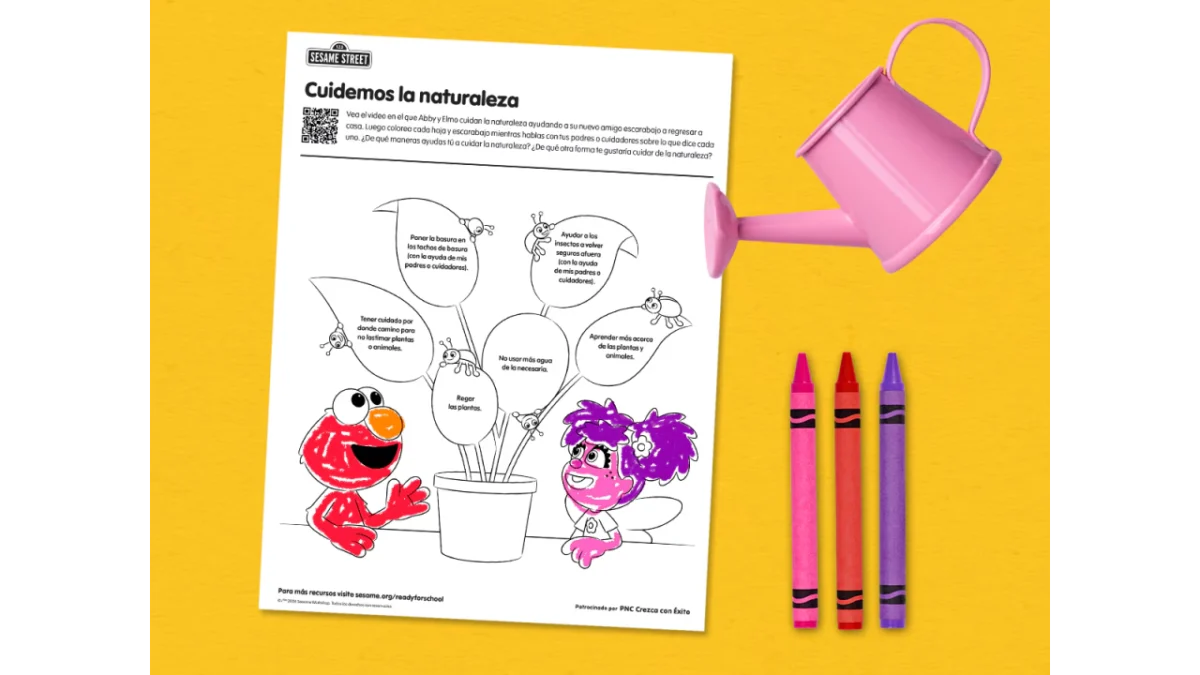
- Parental Engagement Tools: Distributing easy-to-use activity guides that encourage literacy and numeracy development at home. By empowering parents as the "first teachers," the program builds a sustainable cycle of learning.
- Strategic Partnerships: Collaborating with organizations like the Sesame Street Workshop and local museums to create bilingual exhibits and content that make learning fun and accessible.
- Community Hubs: Leveraging PNC’s physical branch presence to host educational events that serve as a bridge between the bank, the family, and the educational community.
Broader Implications: Shaping the Future of Education
The success of Crezca con Éxito carries significant implications for both the private and public sectors. It serves as a blueprint for how large-scale corporations can influence systemic social issues through intentional, culturally conscious programming.
Redefining Corporate Responsibility
Corporations are increasingly expected to address social equity. PNC’s approach demonstrates that "giving back" is most effective when it is aligned with a company’s operational strengths. By utilizing their existing bilingual infrastructure, they have created a scalable model that could be replicated by other large organizations in diverse markets.
The Macro-Economic Benefit
Investing in early childhood education is a high-yield investment. When children enter kindergarten with strong literacy and social skills, the entire school system benefits from reduced remedial costs. When those children are also supported by bilingual programming, the workforce of the future becomes more culturally versatile and linguistically capable, providing a competitive edge in a globalized economy.
Cultural Integration and Social Cohesion
Beyond the economic and academic metrics, there is a human element to this initiative. By validating the language and culture of Spanish-speaking families, Crezca con Éxito helps foster a sense of belonging. It tells these families that they are a vital part of the community fabric and that their heritage is an asset to be cultivated rather than a hurdle to be overcome.
Conclusion: A Model for the Future
As the U.S. continues to diversify, the traditional approaches to education must evolve to keep pace. The long-term success of PNC Crezca con Éxito provides a compelling case study for the effectiveness of bilingual, inclusive programming.
By recognizing that education is the ultimate equalizer, and that language is the key to unlocking that potential, PNC has set a high bar for corporate philanthropy. The initiative proves that when a company commits to removing barriers—linguistic or otherwise—the ripple effects are felt for generations. As we look toward the future, the integration of these bilingual frameworks will be essential in ensuring that the next generation of American children, regardless of their background, can grow up great.