By Jaida Faith
When we discuss the natural world, our collective vocabulary is heavily weighted toward the visible: the charismatic megafauna that populate our documentaries and the verdant flora that dominate our landscapes. Yet, beneath our feet and woven into the very fabric of our ecosystems exists a third, often overlooked kingdom of life that dictates the success of all others: the kingdom of Fungi.
Despite their ubiquity and ecological importance, fungi have remained the "forgotten kingdom." They represent a mere 2% of global conservation priorities, a staggering oversight that leaves one of the planet’s most vital life-support systems largely absent from international environmental policy. As we face the intersecting crises of climate change, biodiversity loss, and systemic pollution, the time has come to elevate fungi from the periphery to the center of the conservation conversation.
The Main Facts: Defining the Fungal Kingdom
Fungi are not plants, nor are they animals. They are a distinct biological kingdom that operates on a scale both microscopic and massive. While we are familiar with their reproductive structures—mushrooms—these are merely the "fruit" of a much larger, subterranean organism.
The vast majority of fungal life exists as mycelium, an intricate network of microscopic threads that act as the Earth’s natural internet. These mycorrhizal networks facilitate communication and resource sharing between plants, allowing trees to trade sugars, carbon, and water in a complex, reciprocal economy. Without these symbiotic relationships, which involve nearly 90% of all known plant species, our terrestrial ecosystems would essentially collapse.
Despite their criticality, our knowledge of them is startlingly thin. Mycologists estimate that only 10% of the world’s fungal species have been formally described by science. We are effectively trying to save a planet while ignoring the biological engineers that keep it functioning.
Chronology: From Neglect to Global Advocacy
The movement to formalize the status of fungi has gained significant momentum in recent years, shifting from niche scientific concern to a geopolitical priority.
- Pre-2020: Fungi were largely excluded from international conservation frameworks. Legislation focused almost exclusively on the "Flora and Fauna" binary, effectively rendering fungi invisible in legal protections for habitats and species.
- 2021–2023: The "Fauna, Flora & Funga" initiative gained traction, led by mycologists like Giuliana Furci and the Fungi Foundation. The term "Funga" was coined to provide the kingdom with the linguistic parity it lacked, making it easier to integrate into policy and discourse.
- 2024: The publication of the Fungal Conservation Pledge marked a turning point, calling for global recognition of fungi as an independent kingdom in international law.
- The Path to COP17 (Fall 2026): As the world prepares for the upcoming Convention on Biological Diversity (CBD) Conference of the Parties (COP17), the advocacy focus has shifted toward the highest levels of governance. The goal is to ensure that "Funga" is included in all future international conservation policies and biodiversity targets.
Supporting Data: The Economic and Ecological Value
The importance of fungi is not merely sentimental; it is quantifiable and immense.
Ecological Services
Fungi are the planet’s primary recyclers. Through decomposition, they break down organic matter, returning essential nutrients to the soil. Furthermore, their role in carbon sequestration is profound. It is estimated that mycorrhizal networks are responsible for sequestering approximately 13 billion metric tons of CO2 annually. To put this into perspective, this represents roughly 36% of all global annual fossil fuel emissions—a natural carbon capture system that we have yet to fully account for in our climate models.
Economic and Industrial Contributions
The global economic footprint of fungi is valued at an astonishing $55 trillion annually. This figure encompasses:
- Food Security: Without the fermentation capabilities of yeast, modern staples like bread, cheese, and chocolate would not exist.
- Medical Advancements: The pharmaceutical industry relies heavily on fungi for antibiotics and, increasingly, for mental health therapeutics. Hericium erinaceus (Lion’s Mane) has demonstrated significant potential in supporting neuroplasticity, offering new avenues for treating cognitive decline and trauma.
- Bioremediation: The application of Pleurotus ostreatus (Oyster mushrooms) to clean up oil spills and break down plastic waste—a process known as mycoremediation—is proving to be a viable, low-cost solution to industrial pollution.
Indigenous Knowledge and Cultural Significance
While Western science is only just beginning to recognize the importance of the fungal kingdom, Indigenous communities have understood their value for millennia. For many cultures, fungi are not merely biological organisms but vital partners in survival and spirituality.
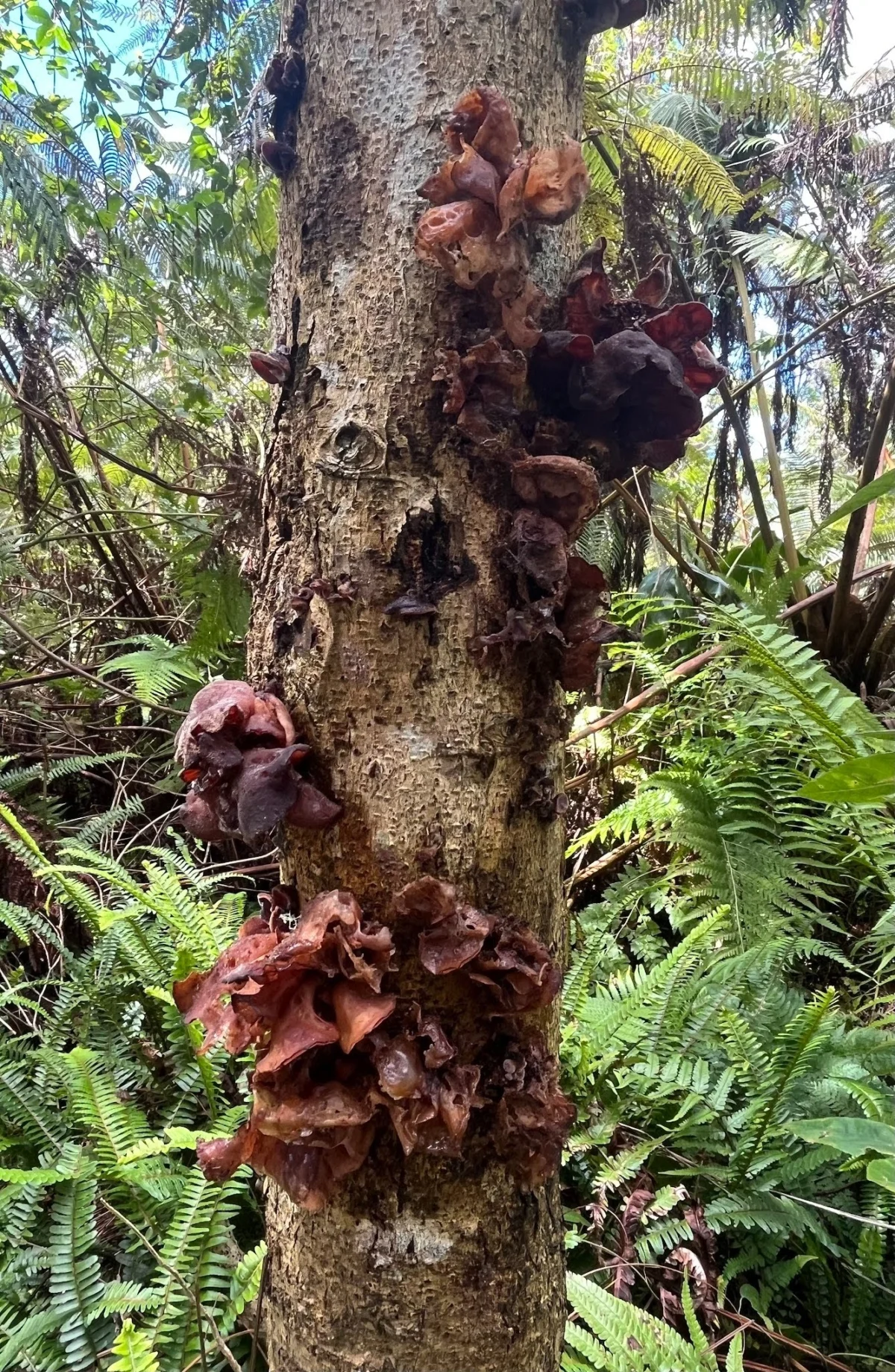
In the Amazon, the Yanomami people utilize specific fungal rhizomorphs for structural basketry, a testament to the durability and versatility of fungal fibers. In various global traditions, conk fungi from the Fomitopsis genus have served as essential tools for sharpening blades, creating durable textiles, and even acting as field-grade medical supplies to stem bleeding. In Hawaii, the consumption of Auricularia cornea (Pepeiao) represents a deep-rooted cultural connection to local biodiversity that predates modern scientific classification. These practices highlight a long history of human-fungal interdependence that our current conservation models have failed to acknowledge.
Official Responses and the Call for Policy Reform
The scientific community is now rallying behind the Fungi Foundation’s call for legislative change. The argument is straightforward: if international policy fails to explicitly mention fungi, then fungi are effectively omitted from funding, habitat protection, and research mandates.
At COP17, advocates are pushing for the inclusion of "Funga" in the standard language of biodiversity agreements. This is not merely a semantic change; it is a structural one. When a policy mandates the protection of "flora and fauna," it creates a legal vacuum. By adding "funga," governments are forced to consider fungal health when designating protected areas, assessing environmental impacts, and allocating conservation grants.
Implications: The Risks of Continued Inaction
The consequences of our continued failure to recognize the fungal kingdom are dire. Fungi are as susceptible to human-driven destruction as plants and animals. Recent studies indicate that nearly one in three studied fungal species is already threatened with extinction due to habitat loss and climate change.
When we destroy a forest, we are not just killing trees; we are destroying the subterranean networks that sustain them. When we pollute the soil with chemicals, we are disrupting the decomposers that keep our ecosystems fertile. If we continue to exclude fungi from our conservation strategies, we are effectively trying to repair a house while ignoring the foundation.
What Can You Do?
The movement to protect the "hidden kingdom" is, at its core, a grassroots effort. You can participate in this shift in three distinct ways:
- Adopt the Language: Language shapes our perception of reality. By consistently using "Fauna, Flora, and Funga," you normalize the existence of the third kingdom in everyday conversation.
- Support the Pledge: Organizations like the Fungi Foundation are actively gathering signatures for the Fungal Conservation Pledge. This document is a vital tool for lobbying governments to recognize fungi as a priority for biodiversity protection.
- Engage with Policy Makers: Contact your country’s national focal point for the CBD. Demand that your representatives advocate for the formal recognition of the fungal kingdom at the upcoming COP17. Policy moves when the public demands it.
Conclusion: A Paradigm Shift
We are at a crossroads in our relationship with the natural world. For too long, we have viewed nature through a narrow lens that prioritizes the beautiful and the visible. By failing to acknowledge the "unseen architects" of our ecosystems, we have limited our ability to solve the most pressing environmental challenges of our time.
It is time to broaden our definition of nature. It is time to value the decomposers, the connectors, and the survivors. It is time to give the fungal kingdom the recognition it has earned, not just for the sake of science, but for the sake of the planet we all share.
Jaida Faith is a Conservation Leadership graduate student at Colorado State University and a dedicated advocate for fungal conservation.