As the world accelerates toward a net-zero future, the scramble for "transition minerals"—nickel, lithium, cobalt, and copper—has evolved from a logistical challenge into a defining geopolitical flashpoint. While international forums like the Intergovernmental Forum on Mining, Minerals, Metals, and Sustainable Development (IGF) promote the rhetoric of "interdependence," the reality on the ground is a fierce, often zero-sum competition.
For resource-rich nations in the Global South, this race presents a paradox: the opportunity to drive national industrialization versus the risk of entrenching the "resource curse." To bridge this gap, policy experts and activists argue that the solution lies not in isolated domestic legislation, but in the consolidation of robust Global South policy and advocacy networks capable of holding global supply chains to account.
The Main Facts: A Tripling of Demand
The International Energy Agency (IEA) projects that global demand for critical minerals will triple by 2030 and quadruple by 2040. This surge is driven by the urgent need for electric vehicle (EV) batteries, renewable energy infrastructure, and high-tech manufacturing.
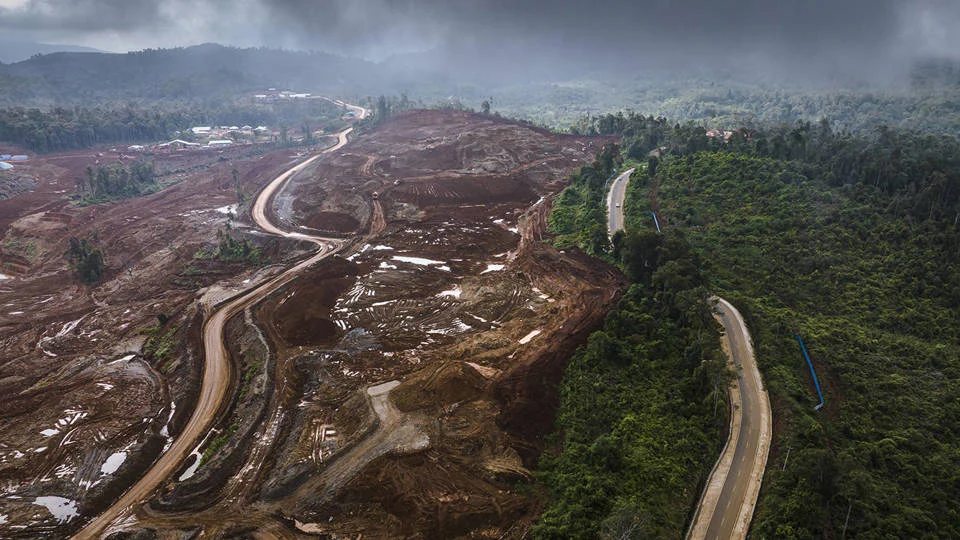
Fearing that they will remain mere exporters of raw ore, mineral-rich nations have begun implementing aggressive "downstream" policies, including export bans on raw materials to force foreign investors to build smelting and processing facilities locally. However, as the experience of Indonesia—a pioneer in nickel export bans—demonstrates, industrialization is not a panacea. When rapid extraction outpaces regulatory capacity, it creates "sacrifice zones," where ecological destruction and social displacement become the hidden costs of the global energy transition.
Chronology: From Extraction to Accountability
- 2020–2022: Indonesia cements its position as a global nickel powerhouse by banning raw ore exports, successfully forcing foreign firms to invest in domestic smelting infrastructure.
- 2024 (September): The UN Secretary-General’s Panel on Critical Energy Transition Minerals releases a landmark set of guiding principles, emphasizing that the energy transition must be rooted in justice and equity for host communities.
- 2025 (May): Civil society organizations, including Publish What You Pay Indonesia, raise significant concerns regarding nickel governance at the OECD Forum on Responsible Mineral Supply Chains in Paris, highlighting the disconnect between ESG claims and local realities.
- 2025 (October): The IGF annual meeting in Geneva highlights the tension between market competition and the need for standardized sustainability frameworks.
- 2026 (April): Transnational advocacy groups, including Mighty Earth and Climate Rights International, successfully pressure EV battery producers to demand stricter supply-chain due diligence from Indonesian nickel suppliers.
Supporting Data: The Cost of "Value Addition"
The economic narrative often touted by resource-rich governments is that value-added processing leads to national prosperity. However, the data reveals a more complex reality:
- Economic Disparity: While nickel processing has spurred growth in Indonesia’s specific provinces (such as Central Sulawesi and North Maluku), these benefits have yet to permeate the wider national economy in a transformative way.
- The Regulatory Gap: There remains a stark inconsistency in how the Global North treats different commodities. For instance, the EU-Indonesia Comprehensive Economic Partnership Agreement imposes stringent sustainability standards on palm oil, yet those same requirements are conspicuously absent for nickel, despite both industries presenting significant environmental and human-rights risks.
- Governance Efficiency: The South-South Transition Minerals Learning Platform has identified that a "one-size-fits-all" policy approach is ineffective. Because each country’s political economy and mineral composition differ, peer-to-peer learning between nations like Chile, Zambia, the DRC, and Indonesia is proving more effective than importing foreign-imposed regulatory templates.
Official Responses and The Shift in Governance
Governments and multinational corporations are beginning to respond to the mounting pressure from civil society. The Indonesian government, in particular, has been forced to confront the "ESG gap." After conducting a rigorous assessment of its current regulatory framework against international standards, the government is now drafting comprehensive ESG guidelines designed to help domestic firms align their operations with global expectations.
This shift is not merely voluntary; it is a direct result of "transcalar" advocacy. When domestic governments fail to enforce labor or environmental laws, local NGOs are increasingly bypassing them to appeal directly to international shareholders. By targeting the investors and the downstream automakers—such as those involved in the Sorowako nickel project—activists have turned the "reputation risk" of the global transition into a powerful lever for change.
Implications: Building a New Paradigm
The Need for South-South Cooperation
The current scramble for minerals risks turning the Global South into a battlefield of competing bilateral trade agreements that prioritize market access over human rights. To counter this, policymakers must lean into existing mechanisms of South-South cooperation. The Natural Resource Governance Institute’s initiatives serve as a blueprint: by sharing strategies on fiscal regimes, environmental standards, and value-chain development, these nations can move from being price-takers to becoming influential rule-makers.
Transnational Advocacy Networks
The most potent force for reform is the growing network of transnational alliances. The collaboration between WALHI (Indonesia) and Friends of the Earth Japan represents a new era of "cross-border accountability." By linking the producers of minerals with the consumers (or their shareholders) in the Global North, these networks can ensure that the "sacrifice zones" of the past do not become the standard for the green future.
The Challenge of "Sacrifice Zones"
The concept of the "sacrifice zone" is perhaps the most critical hurdle to clear. If the global community truly wants a "just transition," it must stop viewing mining regions as peripheral. Equity must be baked into the value chain from the point of extraction. This requires:
- Democratic Oversight: Ensuring that local communities have a seat at the table during the planning stages of mining projects.
- Standardized Due Diligence: Harmonizing sustainability requirements so that nickel, lithium, and copper are treated with the same environmental rigor as agricultural commodities.
- Profit Sharing: Moving beyond simple taxation to ensure that the wealth generated from these minerals supports local infrastructure, education, and long-term ecological restoration.
Conclusion: Putting the Pieces Together
The race for critical minerals is not just a technological challenge; it is a moral one. The frameworks already exist—from the UN’s guiding principles to the ASEAN Principles for Sustainable Minerals Development. The missing link has been the mechanism to enforce these declarations.
By consolidating Global South policy networks, nations can resist the urge to undercut one another in a "race to the bottom" regarding environmental and labor standards. Simultaneously, by deepening their ties with international advocacy groups, civil society can ensure that the transition to green energy does not come at the expense of the most vulnerable.
The pieces of the puzzle—the policy expertise, the grassroots activism, and the global awareness—are all present. The challenge for the coming decade will be to connect these pieces into a cohesive, global movement that recognizes that sustainability is not a luxury, but a fundamental requirement for the energy transition. Without justice, there is no transition—only a change in the source of our environmental crises. The time for reactive, fragmented policy is over; the era of coordinated, equitable mineral governance must begin.