By Brian Judge
May 13, 2026
For decades, the European Union has functioned as a grand experiment in supranational governance, successfully dismantling trade barriers and harmonizing regulatory frameworks across a diverse continent. Yet, despite these achievements, a pervasive "Brussels disconnect" remains. For many citizens, the EU is perceived more as a source of stifling bureaucracy and distant regulations than as a facilitator of tangible daily prosperity. As the bloc stands on the precipice of a monetary revolution, the proposed "digital euro" offers a rare opportunity to bridge this divide. However, whether this project becomes a cornerstone of modern European identity or another target for populist skepticism depends entirely on the political courage of its architects.
The Core Mandate: Transitioning from Technocracy to Politics
After years of methodical preparation, the EU’s governing triad—the European Parliament, the European Council, and the European Commission—is finally poised to initiate formal negotiations on the digital euro. What began as a quiet, technocratic exercise in modernizing monetary infrastructure has now surfaced as one of the most politically charged items on the bloc’s legislative agenda.
The digital euro is not merely a central bank digital currency (CBDC); it is a strategic response to the shifting tides of global finance. As private cryptocurrencies and foreign-issued stablecoins threaten to undermine the sovereignty of the eurozone, the European Central Bank (ECB) views the digital euro as essential to maintaining monetary autonomy. Yet, the transition from a back-office project to a public-facing reality requires more than just technical precision; it requires a compelling narrative that resonates with the average citizen.
Chronology: A Path to the Digital Frontier
The journey toward a digital euro has been characterized by meticulous, if sometimes glacial, progress.
- October 2020: The ECB publishes its first comprehensive report on the potential of a digital euro, setting the stage for public consultation.
- July 2021: The Governing Council of the ECB officially launches the "investigation phase," focusing on design and distribution options.
- November 2023: The ECB concludes the investigation phase, confirming the feasibility of the project and moving into a "preparation phase" to develop a rulebook and select providers.
- May 2026: The legislative framework enters the formal negotiation phase between the Commission, Council, and Parliament. This represents the moment the project moves from the hands of central bankers into the halls of elected politicians.
Throughout this period, the project has evolved from a defensive posture—intended to block "Big Tech" encroachment—to an offensive one, aimed at promoting financial inclusion and digital efficiency within the Single Market.
Supporting Data: Why the Digital Euro Matters
The economic rationale for the digital euro is rooted in the shifting nature of consumption. According to recent data from the European Central Bank:
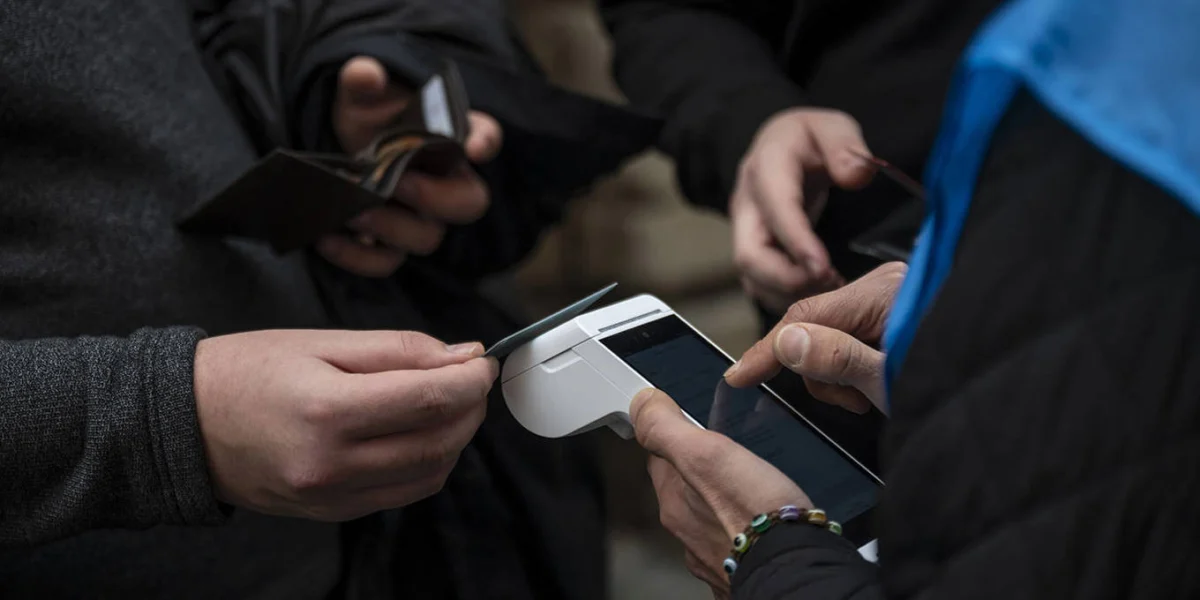
- Declining Cash Usage: While cash remains a staple, the share of in-store payments made with physical currency has dropped by approximately 15% across the Eurozone since 2019.
- Market Fragmentation: Despite the existence of a single currency, digital payment systems remain fragmented along national lines. Cross-border digital transactions within the EU often rely on non-European card schemes, leading to systemic dependencies.
- Financial Inclusion: Nearly 4% of the EU population remains "unbanked." A digital euro, designed as a public good, could provide a foundational payment layer accessible to every citizen, regardless of their credit standing or commercial banking relationship.
Critics, however, point to the potential for "bank disintermediation." If citizens move significant deposits from commercial banks to the ECB, it could limit the capacity of private lenders to provide credit to the real economy. Policymakers are currently debating "holding limits"—caps on how much digital currency an individual can hold—to mitigate this risk.
Official Responses: The Battle for Public Opinion
The political response to the digital euro is far from monolithic.
The European Central Bank (ECB): President Christine Lagarde has consistently championed the project as a necessary evolution of the currency. The ECB argues that the digital euro will offer a "safe, secure, and free" means of payment, ensuring that the currency remains relevant in a digital-first economy.
The European Parliament: Members of the European Parliament (MEPs) are currently divided. While the mainstream center-left and center-right groups see the digital euro as an instrument for "strategic autonomy," the more populist wings of the chamber have raised concerns regarding privacy and government surveillance. The debate has shifted from technical interoperability to the "right to privacy" in the digital age.
The Commercial Banking Sector: The European Banking Federation (EBF) has expressed cautious skepticism. Their primary concern is that a digital euro could cannibalize the retail banking model. They argue that the state should not compete directly with private sector services, insisting that the digital euro must be built on top of, not in place of, existing commercial infrastructure.
Implications: The Political Case for Integration
The success of the digital euro will not be measured by the efficiency of its blockchain or the speed of its transactions; it will be measured by its adoption rate. If the digital euro is marketed merely as a "technological upgrade," it will likely face indifference. If it is presented as a tool for economic empowerment—one that lowers transaction fees, streamlines cross-border commerce, and provides a neutral, state-backed alternative to private platforms—it could become the most tangible symbol of European unity since the introduction of the physical banknote.
The Privacy Conundrum
Perhaps the most significant hurdle is the perception of surveillance. In an era where data privacy is paramount, the ECB must prove that the digital euro is not a "spy-tool." The current proposal suggests a "privacy-by-design" approach, where the ECB would be unable to link transactions to individual users. Achieving this, while simultaneously meeting Anti-Money Laundering (AML) and Countering the Financing of Terrorism (CFT) requirements, is a delicate balancing act that will define the upcoming legislative negotiations.
Strategic Autonomy
Beyond the individual user, the digital euro is a geopolitical instrument. The EU is currently overly reliant on American and Chinese payment systems (such as Visa, Mastercard, and various digital wallets). The digital euro would establish a European-owned payment backbone, insulating the bloc from extraterritorial sanctions or corporate decisions made in Silicon Valley or Shenzhen. This is a critical component of the "Open Strategic Autonomy" doctrine currently driving EU policy.
Conclusion: A Turning Point for the Eurozone
As the negotiations move forward, the European Union faces a profound choice. The digital euro can be treated as a sterile monetary project, managed behind closed doors and eventually rolled out to a public that does not understand its benefits. Or, it can be the focal point of a new political narrative—one that demonstrates how European cooperation can directly improve the financial lives of its 350 million citizens.
The technical infrastructure is largely ready. The legal framework is now on the table. What remains to be seen is whether Europe’s political leaders have the vision to turn this digital transformation into a project that makes the Union feel less like a remote regulator and more like a personal partner in the digital age.
If they succeed, the digital euro could well be the project that secures the Eurozone’s relevance for the next century. If they fail, it may serve as a stark reminder of the widening gap between the aspirations of Brussels and the reality of the people it serves. The next eighteen months of negotiations will be the crucible in which this digital currency is forged—or abandoned.