The imposing, verdant ridges of the Ávila mountain range still tower over Caracas, a constant sentinel over a capital city that has endured years of crushing economic isolation, political repression, and authoritarian stagnation. Yet, beneath the familiar skyline, the political tectonic plates of Venezuela are shifting with a velocity that would have been unthinkable just one year ago.
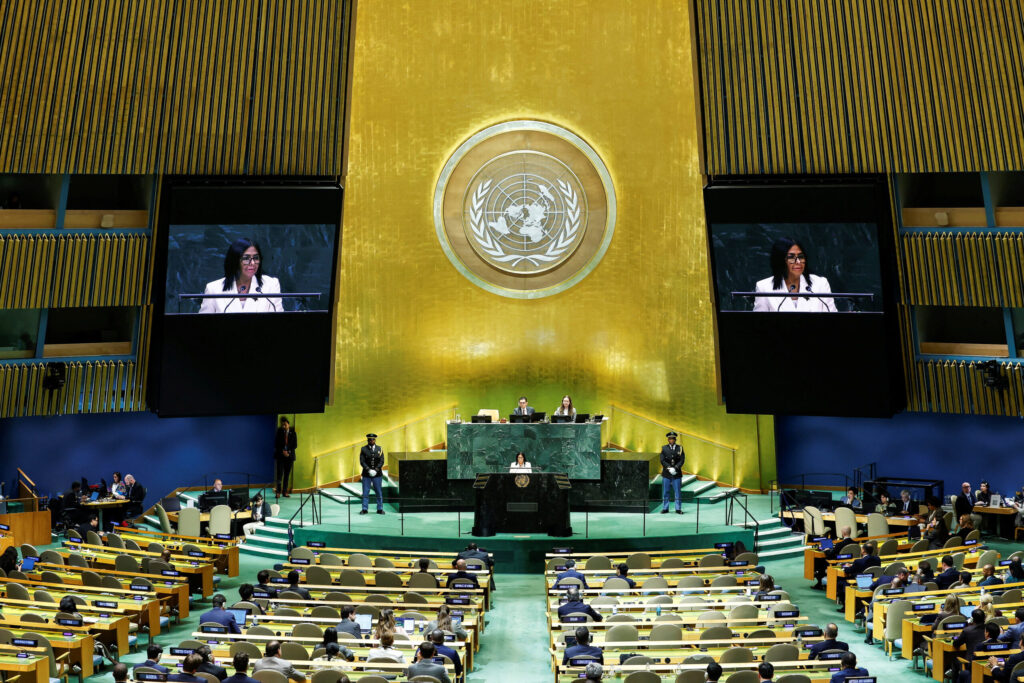
I arrived in Caracas in late September, mere days before a high-stakes diplomatic rendezvous in New York between United States President Donald Trump and Venezuelan interim President Delcy Rodríguez. The atmosphere in the city was electric, charged with the palpable sense that after over a decade of failed initiatives and democratic decay, a genuine, negotiated transition might finally be within grasp. While the New York summit concluded without a definitive date for national elections, it reinforced a new reality: the path to legitimacy for the current interim administration is paved with the milestones of democratic reform.
A Chronology of Consequence: From Crisis to Compromise
The transformation of the Venezuelan state began in earnest on January 3, 2026, when U.S. special operations forces conducted a decisive, surgical military operation to apprehend Nicolás Maduro. The subsequent removal of Maduro triggered a vacuum that was rapidly filled by Delcy Rodríguez, who assumed the role of interim leader. Her ascent marked the beginning of a frantic, systematic restructuring of the Venezuelan state.
The months following the transition were characterized by aggressive administrative purges. Rodríguez replaced more than half of the thirty-four cabinet-level ministers, overhauled the military high command, and installed new leadership across the security services. This was not merely a change in personnel; it was a fundamental recalibration of the power structures that had sustained the previous regime.
Key Milestones in the 2026 Transition:
- January 3: U.S. special operations forces capture Nicolás Maduro.
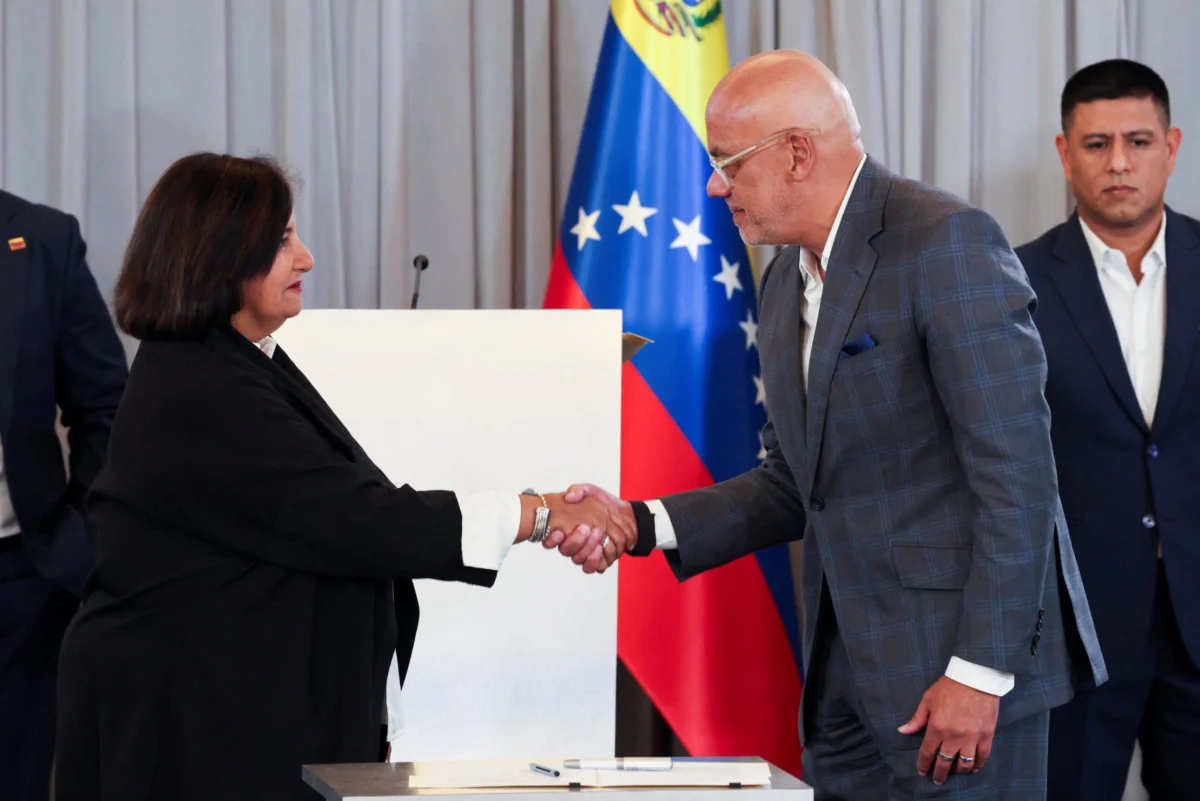
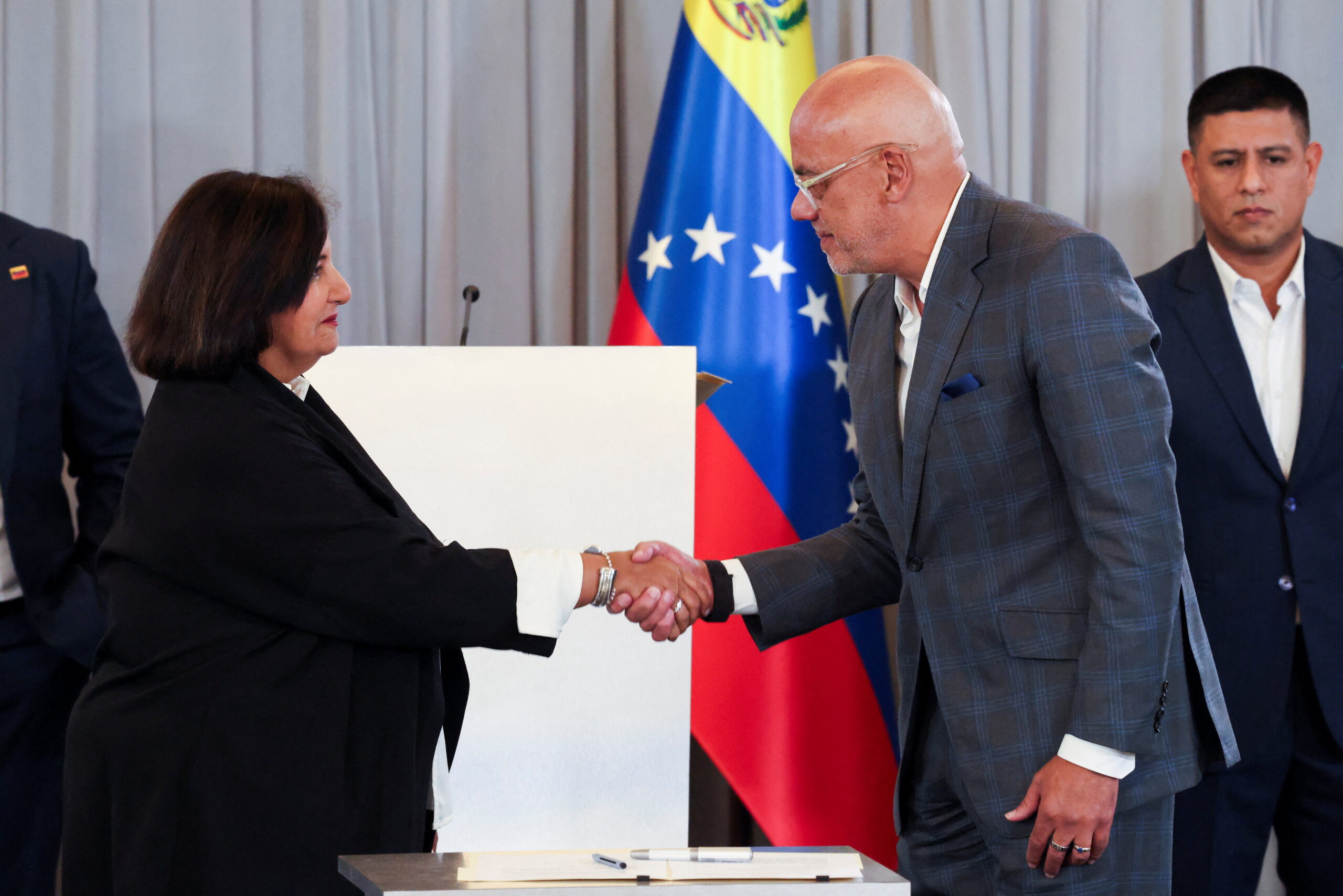
- August: The initiation of the first round of formal dialogue between the interim government and the democratic opposition in Caracas.
- September 18: The establishment of a "monitoring commission" to ensure the implementation of accords reached during talks.
- September 25: Conclusion of the second round of negotiations, yielding specific commitments to judicial and media reform.
- October 5: The interim government announces the formal reform of the "Law Against Hate," a cornerstone of previous repressive efforts.
The New Geopolitical Calculus: Energy and Alignment
The most striking departure from the past decade is Venezuela’s pivot back into the U.S. geopolitical orbit. For years, the Maduro regime functioned as a strategic anchor for U.S. adversaries, including China, Russia, and Iran. Under the interim government, that alignment has been dismantled.
In August, a landmark oil agreement was signed, granting the U.S. Department of Defense a 35 percent stake in the parent company of North American Blue Energy Partners (NABEP). This deal secured rights to operate seventeen oil fields—previously held by Russian and Chinese entities—containing an estimated 65 billion barrels of crude. This agreement is more than a commercial transaction; it is a signal of a deepening economic integration with the West. Weekly announcements from Western energy firms regarding new investments in the Orinoco Belt suggest that the Venezuelan economy is being structurally tethered to U.S. interests, creating a "golden handcuffs" scenario that makes a return to autocratic isolation increasingly unlikely.
Supporting Data: The Hurdles Remaining
Despite the optimism in diplomatic circles, the reality on the ground remains sobering. The "repressive apparatus" mentioned in the latest report from the United Nations Fact-Finding Mission on Venezuela remains largely intact.
According to data from the human rights organization Foro Penal, there are currently 322 political prisoners still held in detention centers, even after the release of hundreds of others. Furthermore, the infrastructure of the country is in a state of advanced decay. Prolonged power outages and electricity rationing have triggered widespread protests in states across the country, highlighting that political transition is only one half of the challenge; economic and infrastructural rehabilitation remains a daunting second half.
The Legislative Landscape
The "Law against Hate" and various anti-terrorism statutes, which have been used for years to silence dissent, remain on the books. While the government has pledged reform, the speed of these changes has been criticized by civil society leaders as "glacial." The critical test will be whether the promised independent committee to oversee the selection of Supreme Tribunal of Justice (TSJ) judges can actually purge the partisan loyalists who have for years acted as a rubber stamp for the executive branch.
Official Responses and Diplomatic Stance
The U.S. State Department has adopted a policy of "cautious engagement." Officials have consistently praised the parties for their commitment to strengthening democratic institutions. The restoration of full diplomatic relations by the United Kingdom, which paves the way for the release of approximately $4 billion in frozen Venezuelan gold reserves, serves as a major international endorsement of the ongoing negotiation process.
The "monitoring commission" created on September 18 is the primary mechanism for international oversight. By utilizing frozen funds for earthquake relief and social services, the parties are attempting to build public trust—a commodity that is currently in short supply among a populace exhausted by years of political maneuvering.
Implications for a Democratic Future
The question of María Corina Machado’s role remains the most significant variable in the equation. Despite being excluded from the formal table, her 53 percent approval rating makes her the ultimate arbiter of any final deal. Her measured support for the process, conditioned upon the results of the judicial and electoral reforms, serves as a check against the government’s tendency to use negotiations as a stalling tactic.
The Path to 2027
For a democratic transition to be deemed successful, three criteria must be met:
- Electoral Independence: The complete replacement of the five National Electoral Council (CNE) rectors and a total audit of the voter registry to include the eight million members of the Venezuelan diaspora.
- Institutional Integrity: The successful appointment of a new, non-partisan Supreme Tribunal of Justice that can provide a check on executive power.
- Civic Space: The full repeal of the Law Against Hate and the cessation of all judicial harassment against journalists and opposition politicians.
The current momentum is undeniable, but it is not irreversible. Previous dialogue efforts, such as the Oslo process or the Mexico City talks, ultimately collapsed because they lacked genuine leverage. This current effort is different because it is backed by the credible threat of continued isolation and the tangible reward of reintegration into the global energy market.
As I left Caracas, the Ávila mountain range was bathed in the late afternoon sun—a constant that has seen many governments rise and fall. The residents I spoke to—from local shopkeepers in Chacao to human rights defenders in the city center—expressed a weary hope. They have been disappointed before, but for the first time in over twelve years, the process is not merely a performance for the international community. It is a grueling, messy, and essential march toward a new, representative Venezuela. Whether this leads to a democratic rebirth or another chapter of entrenched power will be determined in the coming months, as the interim government decides whether to yield the power it holds or to risk the hard-won progress it has built.