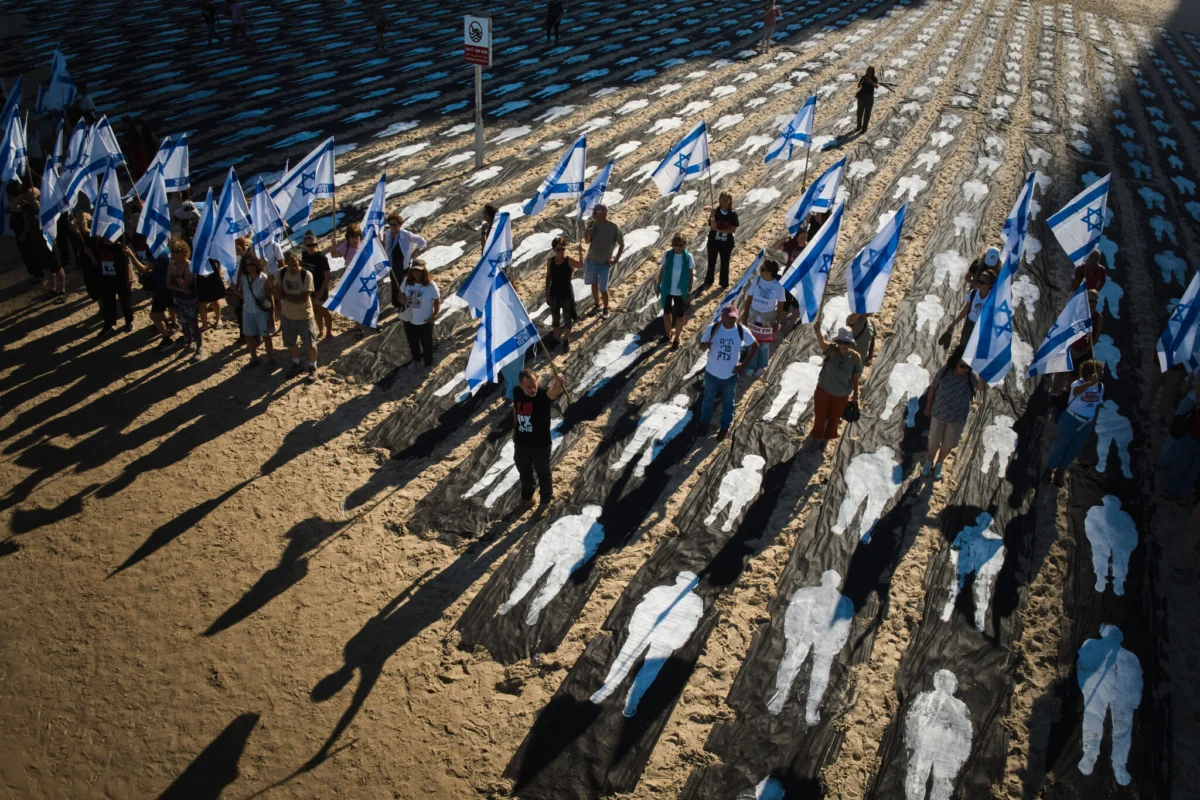
Three years have passed since the morning of October 7, 2023, a date that irrevocably fractured the geopolitical landscape of the Middle East and fundamentally altered the trajectory of Israeli and Palestinian societies. Across Israel, communities gathered this week for somber vigils and a national moment of silence to commemorate the third anniversary of the Hamas-led attacks. The solemnity of the occasion serves as a stark reminder of the human cost of the ensuing war, a conflict defined by unprecedented levels of violence, deep-seated political instability, and a humanitarian crisis of staggering proportions.
The Morning That Changed Everything: A Chronology of Conflict
The events of October 7, 2023, began as a multi-pronged assault by Hamas and other Palestinian militant groups. Breaking through the border fence surrounding the Gaza Strip, militants carried out a coordinated offensive that resulted in the deaths of 1,200 civilians and security personnel. In a move that would define the subsequent military response, 251 individuals—ranging from infants to the elderly—were forcibly taken as hostages into the subterranean tunnels of Gaza.
The Israeli response, initiated under the banner of "Operation Iron Swords," was swift and devastating. The initial aerial bombardment, followed by a protracted ground invasion, aimed to dismantle Hamas’s governance and military capabilities. However, as the conflict stretched into its third year, the operational focus shifted from tactical military strikes to a comprehensive campaign that has left the Gaza Strip largely decimated.
The chronology of the war has been marked by several key phases:
- Late 2023: The initial invasion and the collapse of civil order within Gaza, characterized by the displacement of over 80% of the population.
- 2024: A year of attrition, characterized by failed ceasefire negotiations and the steady expansion of the conflict into regional theaters, including escalating tensions with Hezbollah in the north and the Houthis in the Red Sea.
- 2025-2026: A period of entrenchment, where the war became a permanent feature of Israeli domestic politics, leading to the collapse of the wartime emergency government and the triggering of early national elections.
The Human Toll: Supporting Data and Humanitarian Realities
While the political narratives often focus on military strategy and national security, the empirical data regarding the human cost of the war remains the most harrowing aspect of the conflict. According to figures compiled by international health agencies and local authorities, at least 74,000 Palestinians have been killed since the war began.
Perhaps most distressing is the demographic breakdown of these casualties. Reports indicate that 21,000 children have lost their lives in the conflict, a figure that international aid organizations describe as a "generational erasure." Beyond the fatalities, the physical infrastructure of Gaza has been almost entirely flattened. Schools, hospitals, universities, and residential blocks have been reduced to rubble, creating a landscape of desolation that will require decades to rehabilitate.
For the surviving population, the reality is one of chronic instability. The majority of Gazans remain displaced, living in makeshift tent cities with limited access to clean water, medical supplies, or electricity. The psychological trauma, particularly among the youth who have lived through three years of constant bombardment and food insecurity, suggests that the cycle of violence will have long-term consequences for the regional security landscape.
The Political Crucible: Elections and Official Responses
The third anniversary of the October 7 attacks arrives as Israel enters a volatile electoral season—the first since the outbreak of the war. The campaign is dominated by a single, burning question: Who is responsible for the intelligence failure of 2023, and who is best equipped to navigate the "day after"?
The Netanyahu Doctrine Under Fire
Prime Minister Benjamin Netanyahu, who has served as the central figure in Israeli politics for over a decade, faces the greatest challenge of his career. Critics argue that his administration’s focus on judicial reform and internal division in early 2023 left the country vulnerable to the security lapses that enabled the October 7 attack.
Furthermore, the "Hostage First" advocacy groups, representing the families of those still held in Gaza or those whose remains have been recovered, have become a potent political force. They argue that Netanyahu prioritized the preservation of his right-wing coalition and the pursuit of total military victory over the lives of the hostages. Netanyahu has rejected these claims, repeatedly shifting the burden of responsibility onto the military and intelligence establishment. He contends that the "security failure" was a failure of the defense apparatus, while he remains the only leader capable of securing Israel’s long-term survival against existential threats.
Opposition Perspectives
The opposition, now coalescing into a more unified front, paints a different picture. They argue that the war has become a tool for political survival. By prolonging the conflict, they claim, Netanyahu has successfully avoided the inevitable investigations into the failures of October 7. Their campaign platform emphasizes a "return to normalcy," calling for a comprehensive deal to secure the release of the remaining hostages and a transition to a new governance structure in Gaza that does not rely on indefinite military occupation.
Implications for the Future: A Region in Flux
The implications of the three-year mark extend far beyond the borders of Israel and Gaza. The war has significantly altered the diplomatic landscape of the Middle East.
The Erosion of Regional Normalization
Prior to October 7, the region was trending toward normalization between Israel and several Arab states, including Saudi Arabia. The intensity of the war has put those efforts on indefinite hold. The "Abraham Accords" framework, which served as the cornerstone of regional integration, is now under immense pressure as the Arab street demands a more decisive stance on the humanitarian catastrophe in Gaza.
The Security Dilemma
Israel’s military doctrine has undergone a fundamental shift. The belief that "technological superiority" and "deterrence" could manage the conflict with Hamas has been replaced by a doctrine of "total security," which advocates for the permanent demilitarization of surrounding territories. This shift has not only alienated key Western allies but has also necessitated a massive increase in defense spending, straining the Israeli economy and leading to protests over the rising cost of living.
The International Legal Dimension
The war has also drawn unprecedented scrutiny from international legal bodies. Proceedings at the International Court of Justice (ICJ) and the International Criminal Court (ICC) have focused on the conduct of both Israeli officials and Hamas leaders. The normalization of these legal proceedings as a factor in the conflict suggests that the "day after" will not just be a military or political challenge, but a legal one that could isolate Israel in the global arena for years to come.
Conclusion: A Nation Searching for Equilibrium
As the bells of silence ring across Israel, and as the world watches the humanitarian tragedy in Gaza continue to unfold, it is clear that the status quo of October 6, 2023, is gone forever. The third anniversary is not just a moment of mourning; it is a catalyst for reckoning.
The upcoming elections will serve as a referendum on the past three years. Will the Israeli electorate choose to continue the path of military-centric security, or will they seek a new direction that prioritizes regional diplomacy and the reconciliation of internal fractures? For the Palestinians, the path forward remains even more obscured, trapped between the wreckage of their homes and the uncertainty of a leadership that has failed to provide a viable path toward statehood or peace.
The legacy of October 7 is a heavy one. It has defined a generation of Israelis and Palestinians, and it continues to test the resolve of the international community. As the calendar moves toward a fourth year of conflict, the only certainty is that the decisions made in the coming months will determine whether this anniversary marks the end of a chapter or the beginning of a cycle of conflict that may last for decades.