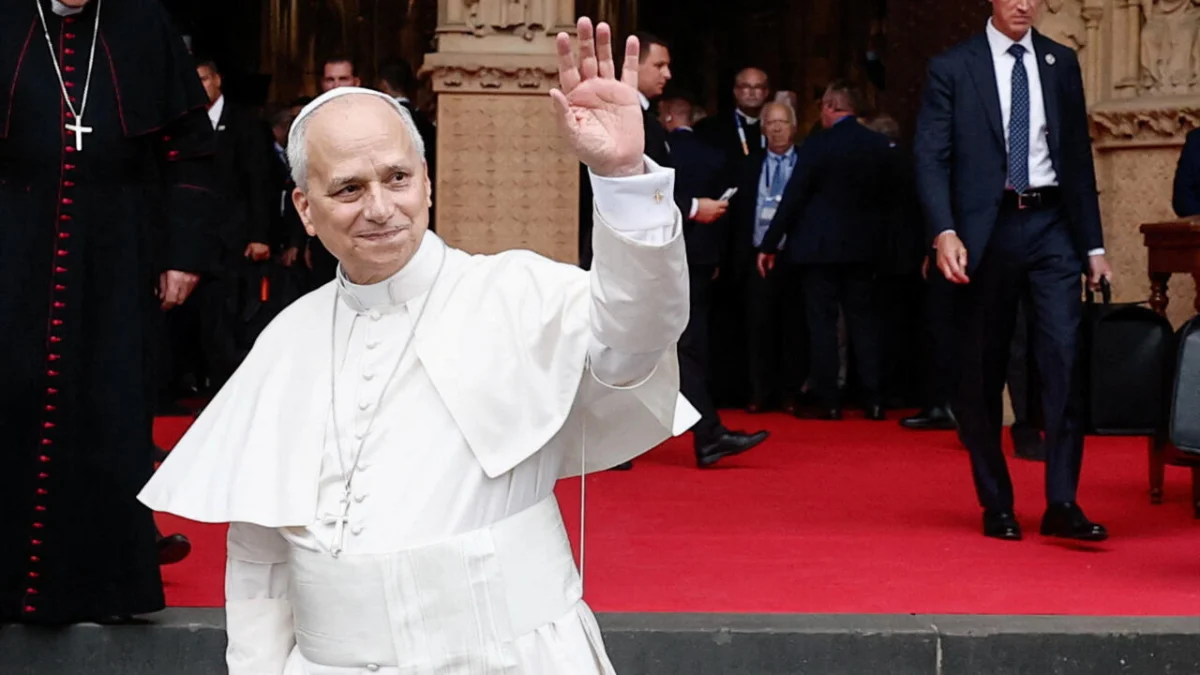
In an unprecedented move toward medical transparency, Pope Leo XIV has announced that he will undergo surgery this week to remove a small pulmonary nodule. The 71-year-old pontiff, known for his robust health and active lifestyle, remains focused on his upcoming apostolic journey to Latin America, despite the health challenge.
The Announcement: A Shift in Papal Precedent
In a move that has surprised Vatican observers and the global faithful alike, Pope Leo XIV has confirmed he will undergo a surgical procedure to remove a growth on his lung. While popes of the past have often kept their medical struggles shrouded in mystery or relayed only through vague bulletins from the Holy See, Leo XIV’s decision to personally acknowledge the upcoming operation marks a significant departure from historical norms.
The announcement, delivered with characteristic composure, detailed that the pontiff is otherwise in good health. The medical team is optimistic, projecting a recovery period of approximately one week, provided there are no postoperative complications. This timeline is critical, as the Vatican is currently finalizing preparations for a high-profile, 11-day tour of Uruguay, Argentina, and Peru, scheduled to commence on November 6.
Chronology of Events and Scheduling
The Vatican Press Office has confirmed that the procedure is slated for "the beginning of the week," though they have declined to provide a specific calendar date. Despite persistent speculation in the Italian press—which has pointed toward a potential Tuesday operation—the Holy See has maintained that there are currently no formal changes to the Pope’s schedule.
Notably, the Pope is still expected to preside over a Mass at St. Peter’s Basilica on Wednesday morning. The event is set to host high-ranking Church leaders from across the globe, and as of this writing, the Vatican has indicated that the schedule remains intact. This decision reflects both the Pope’s desire for normalcy and the confidence his medical team holds regarding the routine nature of the intervention.
The recovery trajectory is being monitored with great care. If the seven-day recovery window holds, the Pope will have roughly two weeks of recuperation before boarding his flight to Latin America. For the pontiff, this trip is more than a diplomatic engagement; it is a return to a region he holds dear, having served as a missionary in Peru for two decades and maintaining dual citizenship there.
Understanding the Medical Condition: Pulmonary Nodules
To better understand the gravity of the situation, it is necessary to examine the nature of a "pulmonary nodule." Medically defined as a small, isolated growth of tissue within the lung, these nodules are frequently identified during routine screenings or incidental imaging performed for unrelated health concerns.
Diagnostic Nuance
Most pulmonary nodules are benign—non-cancerous clusters that pose little to no threat to long-term health. However, in the interest of preventative medicine, doctors often recommend removal to ensure that the growth is not in the early stages of malignancy. Because early-stage lung cancer is notoriously difficult to detect through symptoms alone, the proactive removal of such nodules is considered the gold standard of care.
Surgical Realities
The surgery will likely be performed under general anesthesia. Modern thoracic surgery techniques for nodule removal are minimally invasive, typically involving video-assisted thoracoscopic surgery (VATS). This allows surgeons to access the lung through small incisions rather than opening the chest cavity, significantly reducing the recovery time—a factor that explains the Vatican’s optimistic one-week timeline for the Pope’s return to his duties.
The Gemelli Legacy: A "Vatican Number Three"
The operation is expected to take place at the Agostino Gemelli University Hospital in Rome, an institution that has served as the de facto primary healthcare provider for the papacy for decades. The facility has played a silent, vital role in the lives of modern popes, becoming so integral to the Vatican’s operations that it was once famously dubbed "Vatican number three" by Pope John Paul II.

A Historical Haven
The relationship between the Gemelli and the Holy See is deeply rooted in history. Pope John Paul II was treated at the facility on nine separate occasions, totaling 153 days of inpatient care during his 27-year pontificate. His successor, Pope Francis, also spent significant time at the hospital for various medical procedures, including intestinal surgery, in the years leading up to his passing.
Specialized Papal Infrastructure
To accommodate the unique needs of a reigning pontiff, the Gemelli maintains a specialized, high-security suite on its top floor. This area is more than just a hospital room; it functions as an extension of the Vatican, protected by a dedicated security detail from both Italian police and the Vatican Gendarmerie. The suite is equipped with a small chapel, a kitchen, and meeting spaces, allowing the Pope to continue governing the Church even while under medical supervision.
Implications for the Church and the Papacy
The implications of this announcement extend far beyond the operating room. By choosing to speak openly about his health, Pope Leo XIV is fostering a culture of transparency that is increasingly expected by a globalized, digital-native audience.
Modernizing the Image of the Papacy
For centuries, the health of the Pope was treated as a state secret, often leading to rumors, instability, and public anxiety. By demystifying his own medical journey, Pope Leo XIV is signaling a transition toward a more modern, relatable, and humanized papacy. He is acknowledging that even the Vicar of Christ is subject to the same biological vulnerabilities as the billions of faithful he serves.
The Latin American Tour
The looming trip to Latin America is a significant focus of the current administration. The continent remains one of the most vibrant centers of Catholicism, and the Pope’s personal history with Peru adds a layer of emotional and pastoral weight to the visit. Should the recovery take longer than the projected week, the Vatican will face the delicate task of either adjusting the itinerary or potentially postponing the trip—a decision that would be carefully weighed against the risks of travel fatigue so soon after a major medical procedure.
Official Responses and Public Sentiment
While the Vatican has remained tight-lipped regarding specific clinical details, the official stance remains one of calm assurance. Spokespeople have emphasized that the decision to operate was made as a matter of "preventative vigilance" rather than an emergency necessity.
Global leaders and religious figures have begun to offer their prayers for the pontiff’s recovery. The sentiment among the laity is a mixture of concern and admiration for the Pope’s transparency. Observers note that the calm reaction of the Vatican curia suggests that the medical prognosis is favorable and that there is no underlying crisis within the Church hierarchy regarding the Pope’s ability to continue his ministry.
Looking Forward
As the world waits for news from Rome, the focus remains on the surgical team at Gemelli. The coming days will be a testament to the advancements in modern medicine and the resilience of a leader who has sought to be open with his flock even in his most vulnerable moments.
Whether the Pope will indeed be presiding over the scheduled Mass on Wednesday remains the immediate litmus test for his recovery. Beyond that, the broader question of how this event will reshape the public’s perception of papal health remains a topic for historians and sociologists to analyze. For now, the focus is singular: a successful surgery and a swift return to the work of the Church.
The transparency shown by Pope Leo XIV may well set a new precedent for the Vatican, ensuring that the health of future pontiffs is managed with the same dignity and openness that he has demonstrated today. As he prepares to face this procedure, he carries the support of a global community that has been invited to walk this path with him, rather than standing in the shadows of speculation.