With just over two weeks remaining until the 3 November 2026 midterm elections, the American political landscape is defined by a singular, pervasive force: economic instability. As voters prepare to head to the polls, the kitchen-table issues of inflation, stagnant wages, and the skyrocketing cost of living have eclipsed almost all other policy debates, creating a volatile environment that threatens to reshape Congress.
The 2026 election cycle is unfolding against a backdrop of global conflict and domestic unease. From the ongoing fallout of the US-Israel war with Iran to the appointment of a new Federal Reserve chair, Kevin Warsh, the mechanisms of the American economy are under unprecedented strain. A team of Guardian reporters recently convened a live Q&A session to address the burning questions of a public grappling with these shifts.
The Economic Reality: A "Financialized" Squeeze
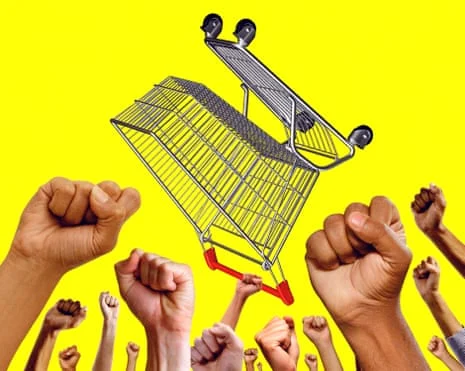
The primary frustration among the electorate stems from what experts describe as the extreme "financialization" of the US economy. Consumers are not just struggling with high prices; they are feeling the cumulative weight of a system where corporate entities—ranging from private equity firms acquiring veterinary practices and dental clinics to tech-enabled retailers—are aggressively maximizing fees and cutting service quality.

As Heather Timmons, a consumer and corporate rights reporter, noted during the discussion, "Companies have been using tech tools and making up new fees to maximize the amount they can charge customers and tenants." This structural shift, combined with wage growth that fails to keep pace with the cost of essential goods, has left a significant portion of the American public feeling as though they are being systematically squeezed.
Chronology of a Crisis: From Policy Promises to Reality
The current economic climate is the result of a complex interplay between government policy and global geopolitical shifts.
- January 2025: Inflation sat at a relatively stable 3.0%. President Trump began his term with ambitious promises to lower energy costs, specifically pledging to bring gas prices below $2 per gallon and halve national energy bills.
- February 28, 2026: A critical turning point occurred when the United States launched military strikes in Iran. This military engagement, following failed diplomatic attempts to dismantle Iran’s nuclear program, triggered a massive disruption in the Strait of Hormuz—a vital maritime artery through which approximately 20% of the world’s oil supply flows.
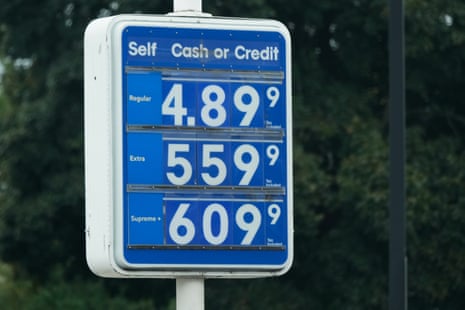
- March 2026: The impact was immediate. Oil prices, which had been trading below $68 per barrel prior to the conflict, surged. By the end of the month, the average price for a gallon of gas in the US had jumped by $1.00, reaching $3.98.
- September 2026: Inflation reached 3.7%, a figure heavily driven by energy costs. Oil prices averaged $114 per barrel, and gas prices set a record for the most days in a single calendar year with an average price exceeding $4 per gallon.
- October 2026: Consumer sentiment plummeted to 46.3, according to the University of Michigan’s index—the second-lowest rating on record. Currently, 70% of Americans report that they are actively reducing or stopping discretionary spending to cope with the cost of living.
Supporting Data: The Cost of Geopolitics and Protectionism
The financial burden on the average American household is no longer abstract. Research from Brown University indicates that the average US household has spent over $1,000 more on gas and diesel this year alone as a direct consequence of the war in Iran and the resulting supply chain collapse.
Furthermore, protectionist economic policies have added to this burden. The Yale Budget Lab estimates that current tariffs are costing the average American household approximately $1,100 annually. Analysts at the energy consultancy Wood Mackenzie have warned that the closure of the Strait of Hormuz created a "dual supply shock," effectively neutralizing the ability of OPEC+ to utilize spare capacity to balance global markets.
The Political Divide: Corruption and Accountability
As the midterms approach, the political messaging has bifurcated. Democrats have centered their strategy on the "dual failure" of the Trump administration: the economic fallout of the war in Iran and the inflationary impact of his tariff policies.
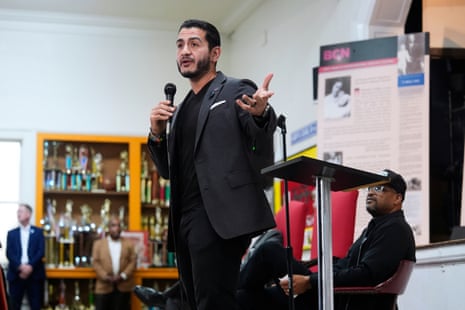
Beyond the macro-economic data, Democrats are increasingly tying these issues to the theme of government corruption. In a recent town hall, Texas Senate candidate James Talarico underscored this shift by pivoting from discussions on religion to the ethical scandals of his opponent, Ken Paxton. Talarico’s message—"The election is about whether we will have a senator who puts money in your pocket, or a senator who puts money in their own"—is a microcosm of the populist sentiment currently animating Democratic campaigns.
Conversely, the Republican response has been to deny the severity of the crisis. At rallies in Arizona and Montana, Donald Trump attributed current inflation to President Biden, claiming that prices are in decline despite empirical evidence to the contrary. When pressed on the causes of the current economic malaise, Republican candidates have largely avoided the topic of global oil production, opting instead to campaign on curbing Medicare fraud and increasing transparency in hospital billing.
Implications: A Shifting Electorate
A key theme emerging from recent polling is the disconnect between party affiliation and economic accountability. The Guardian’s latest poll with Harris Poll revealed that while Republicans are unhappy about the economy, they are significantly less likely (28%) than Democrats or Independents (over 50%) to blame the current federal government for rising prices.
This suggests that for many voters, economic reality is being filtered through a lens of partisan identity, though that may change as the election nears. The deciding factor in November will likely be the "disenchanted voters"—those who participated in 2024 but are currently considering staying home.
The Future of Healthcare as an Ideological Battlefield
The economic strain has also forced a renewed debate on healthcare. With the system under immense pressure, voters are increasingly asking whether the current model is sustainable.
"Washington’s progressive economic think tanks are already busy drawing up proposals for what a plan would look like," notes the Guardian’s reporting team, pointing to single-payer healthcare as a topic that has moved from the fringes to the center of the debate. While "centrist" Democrats continue to lobby against it, the issue is poised to become one of the primary ideological battles within the party, should they secure a majority in both houses of Congress.
However, the political math remains daunting. If Democrats fail to take the Senate, major healthcare reform is likely to be shelved for another two years. Meanwhile, the administration’s "one-page" pledge to negotiate drug prices has yet to provide the concrete details required to convince a skeptical electorate that change is on the horizon.
Conclusion: The Primacy of the "Pocketbook"
The 2026 midterms serve as a harsh reminder that in American politics, the "pocketbook" issue remains king. Regardless of the ideological rhetoric surrounding democracy, corruption, or foreign policy, the primary driver for voters remains the immediate reality of their personal finances.
As the Guardian reporting team summarized, if a voter cannot afford to get to work, feed their family, or pay their rent, that reality becomes the defining factor of the election—overshadowing abstract debates about the state of the nation. With consumer sentiment at near-historic lows, the November 3 election will be the ultimate test of whether the current administration can convince the American people that they have a viable plan for the future, or whether the widespread anger and frustration will lead to a significant shift in the balance of power.