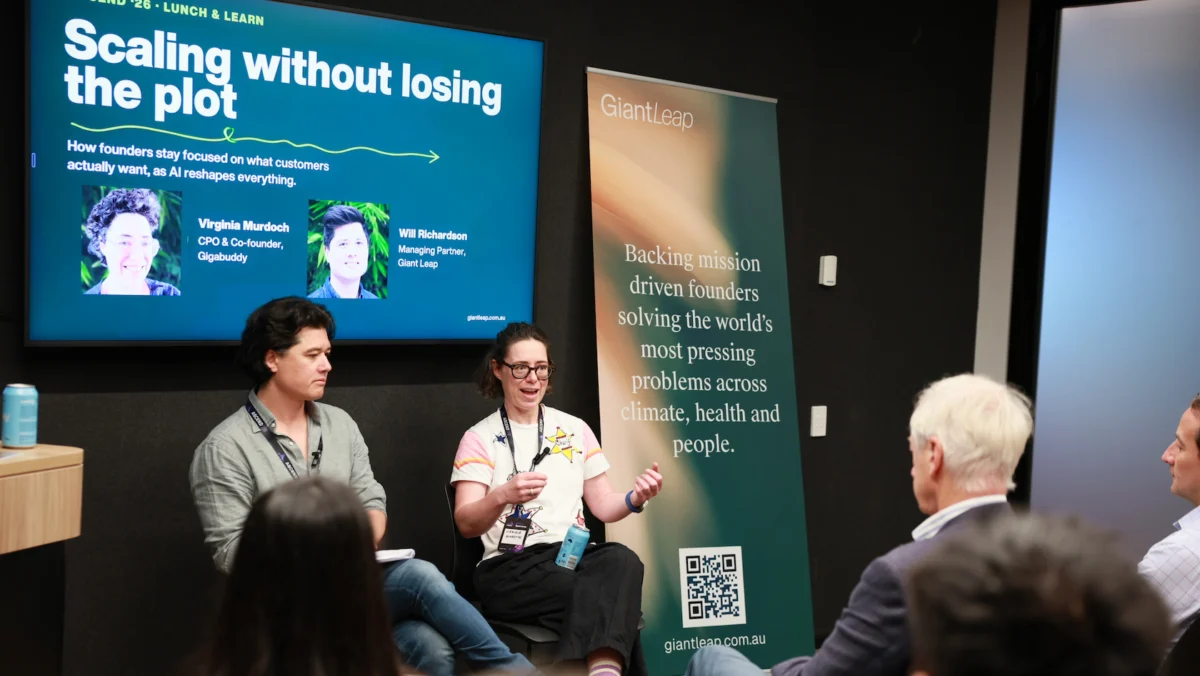
For many, the prospect of casual conversation—whether in a high-stakes boardroom, a networking mixer, or an introductory client call—is a source of profound anxiety. Yet, in the modern professional landscape, the ability to communicate effectively is more than just a social grace; it is a fundamental business asset. As behavioral researcher and author Vanessa Van Edwards posits, the most successful entrepreneurs, leaders, and negotiators share a common trait: they are "master conversationalists" who utilize specific, scientifically backed linguistic patterns to foster instant rapport.
In her latest work, Conversation: How to Connect with Anyone & Make Every Interaction Count, Van Edwards deconstructs the mechanics of likability. By analyzing two decades of interpersonal data, she identifies that genuine connection is rarely accidental. Instead, it is the result of intentional, empathetic communication strategies.
The Science of Small Talk: Why Conversational Fluency Matters
The premise of Van Edwards’ research is straightforward: people prefer to buy from, collaborate with, and hire those they feel connected to. While technical expertise and product-market fit are essential, the "human factor" often serves as the final arbiter of professional success.
Research into social psychology suggests that humans are hardwired to respond positively to validation and shared experiences. When an individual feels heard and understood, their brain releases oxytocin, a neurochemical that fosters trust and reduces defensive barriers. In a professional context, this creates a "psychological safety" that allows negotiations to move faster and partnerships to deepen. However, for those who do not possess innate conversational charisma, these interactions can feel forced. The solution, according to Van Edwards, is not to manufacture a new personality, but to employ five specific, evidence-based phrases that signal interest, recall, and commonality.
Five Linguistic Anchors for Better Interaction
To move beyond the awkwardness of small talk, Van Edwards recommends integrating these five phrases into your daily professional repertoire. She emphasizes, however, that these tools must be used with sincerity. "Authenticity is the bedrock of connection," she writes. "If you don’t mean it, don’t say it."
1. "I was just thinking about you!"
The desire to be remembered is a fundamental human need. By initiating contact with this phrase, you immediately signal that the other person is a priority.
- The Mechanism: This phrase bypasses the typical "cold call" formality and establishes a warm, pre-existing mental link.
- Application: Whether you share a relevant article, a photo of an event, or simply a "check-in" message, this phrase validates the recipient’s importance in your network. It turns a standard follow-up into a personalized moment of connection.
2. "Tell me more!"
Silence is often perceived as a lack of interest, but in conversation, active listening is a powerful tool. Asking follow-up questions signals that you are fully engaged.
- The Mechanism: "Tell me more" is an open-ended invitation that shifts the spotlight to the other person, making them feel valued.
- Application: In networking scenarios where a story is interrupted by external factors—a waiter, a phone notification, or a shift in the group—using this phrase to circle back to the speaker demonstrates high emotional intelligence and genuine respect for their narrative.
3. "Last time we were talking, you mentioned…"
Demonstrating that you retain details about a person’s life or career goals is one of the most effective ways to build long-term loyalty.
- The Mechanism: This phrase proves you were listening during previous interactions, elevating the relationship from a surface-level exchange to a substantive connection.
- Application: Referencing a personal project, a vacation, or a specific preference mentioned in a previous conversation creates an immediate emotional payoff. It demonstrates that the person is "worthy of being remembered," a sentiment that forms the basis of deep professional trust.
4. "Same here!"
Humans gravitate toward those who share their values, experiences, and background—a phenomenon known as homophily.
- The Mechanism: Finding common ground—even on minor issues—triggers a "same here" moment that facilitates instant, albeit subconscious, alignment.
- Application: Whether you are discussing hometowns, shared educational paths, or common challenges in business, articulating these overlaps at the start of a meeting can significantly soften the tone of a negotiation. It transforms a transaction into a partnership.
5. "You’re so…"
Validation is the most potent, yet underutilized, tool in the professional toolkit.
- The Mechanism: By labeling a positive trait—be it someone’s charisma, humor, or professional diligence—you provide them with a positive self-identity. Often, individuals will unconsciously strive to live up to the label you have bestowed upon them.
- Application: A simple, sincere compliment regarding an observed skill can change the trajectory of a relationship, as demonstrated in the historical anecdote of Cristobal Balenciaga, whose early career was launched by a single, well-placed compliment to a woman of influence.
Supporting Data: The Psychology of Likability
The efficacy of these linguistic tools is supported by decades of behavioral research. Studies on social cognition indicate that individuals who practice "active constructive responding"—which includes asking follow-up questions and offering validation—report higher levels of relationship satisfaction and professional networking success.
In contrast, professional environments that rely solely on "transactional" language often experience higher rates of turnover and lower levels of stakeholder trust. When communication is stripped of connection, stakeholders perceive the exchange as mechanical. By contrast, the phrases outlined by Van Edwards serve to "humanize" the digital and physical spaces in which we operate, lowering the barriers to entry for high-level collaboration.
Implications for Modern Leadership
The shift toward remote and hybrid work has further complicated the "human" aspect of business. Without the natural "water cooler" moments of a traditional office, the pressure to be intentional with our words has never been greater.
For leaders and entrepreneurs, the implications of these findings are clear:
- Retention and Culture: Employees who feel seen and understood are more likely to remain committed to their organizations. Using these phrases in team meetings fosters a culture of inclusivity.
- Sales and Negotiation: Closing a deal is rarely just about the data; it is about the rapport built between parties. "Same here" and "Tell me more" are strategic instruments for uncovering pain points and building mutual trust.
- Networking: The transition from a contact to a collaborator is bridged by the perception of empathy. By utilizing the "Last time we spoke" framework, professionals can transform one-off meetings into long-term assets.
A Call to Action
The journey from a "naturally awkward" communicator to a master conversationalist is a process of deliberate practice. As Van Edwards challenges her readers: these are not scripts to be read, but tools to be integrated.
In your next interaction—whether it is a high-stakes investor pitch or a casual team coffee break—choose one of these five phrases. Observe the reaction. Note the shift in body language, the change in the rhythm of the dialogue, and the immediate sense of ease that follows. By shifting the focus from "what I need to say" to "how I can make the other person feel," you move from merely exchanging information to building lasting, meaningful connections.
As we move further into an era dominated by artificial intelligence and automated communication, the value of authentic, human-to-human interaction is becoming the ultimate differentiator. The ability to connect is not just a soft skill; it is the cornerstone of professional resilience.
From CONVERSATION: How to Connect with Anyone & Make Every Interaction Count by Vanessa Van Edwards, published by Portfolio, an imprint of Penguin Publishing Group. © 2026 by Vanessa Van Edwards.