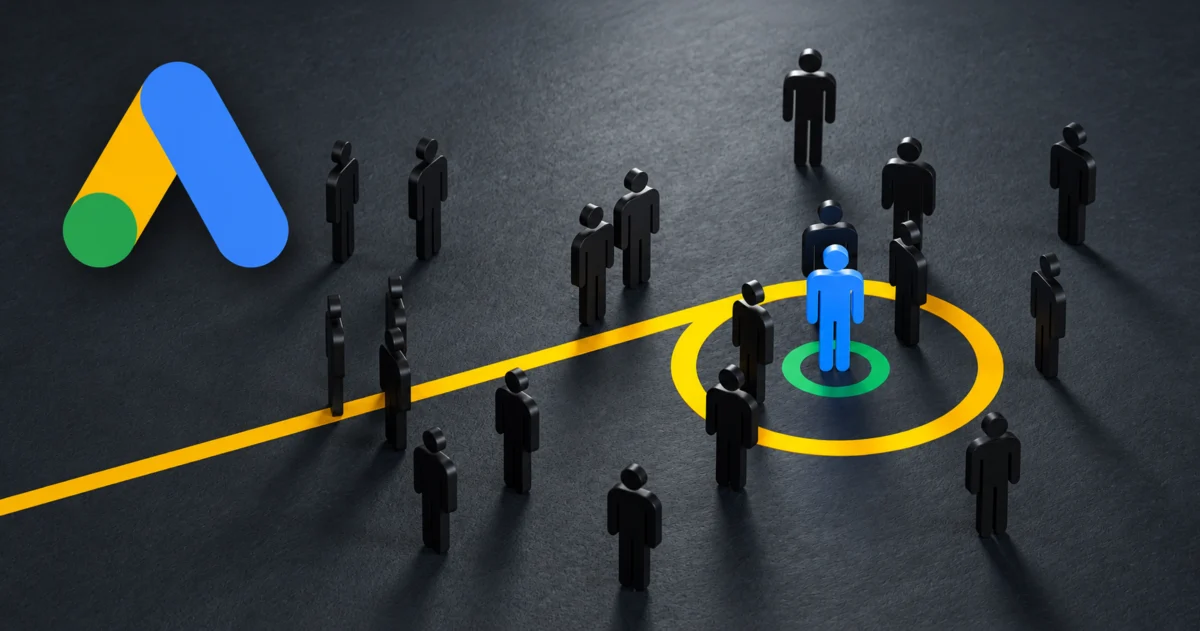
In a significant move to refine how retailers interact with their customer base, Google Ads has officially announced the expansion of its Customer Lifecycle Optimization tools. Starting in October, the platform is rolling out "High-Value Acquisition" mode to standard Shopping campaigns and broadening the availability of its customer retention modes across Search, Shopping, and Performance Max.
These updates represent a departure from broad, flat-rate bidding strategies, allowing advertisers to move toward a more granular, value-based approach. By leveraging historical customer data, Google is providing retailers with the infrastructure to distinguish between a one-time bargain hunter and a high-lifetime-value brand advocate.
The Core Developments: A New Era of Lifecycle Marketing
The announcement, shared by Google Ads Liaison Ginny Marvin, signals that these features are moving out of beta and into a wider release. This rollout follows the August 2026 introduction of a centralized "Customer Lifecycle Optimization" section within Google Ads’ conversion goals. This consolidated dashboard allows advertisers to manage acquisition, lapsed customer, and loyalty member settings in a unified workflow.
The expansion is twofold:
- High-Value Acquisition for Shopping: Previously limited to Search and Performance Max, this setting now allows Shopping campaign advertisers to bid more aggressively for new customers who mirror the characteristics of their most profitable existing buyers.
- Expanded Retention Modes: Google is pushing three distinct retention modes—Re-engagement, Retention-only, and Loyalty—across its primary campaign types, ensuring that marketers can apply lifecycle strategies regardless of their preferred ad format.
Chronology: From Beta Testing to Global Rollout
The path to this October update began months ago as Google sought to solve the "blind spot" in automated bidding. Previously, Smart Bidding relied heavily on conversion value, but it often lacked the context of who was making the purchase.
- August 2026: Google introduces the Customer Lifecycle Optimization section. This was the foundational step, grouping acquisition and retention goals into a single interface for easier management.
- Late August – September 2026: A closed beta phase for High-Value Acquisition in Shopping campaigns allowed select enterprise retailers to test the efficacy of value-based bidding models.
- October 2026: The official public rollout begins. Google confirms that High-Value Acquisition is now a standard feature for Shopping campaigns, and retention modes are becoming widely available across Performance Max, Search, and Shopping.
The Mechanics of High-Value Acquisition
The High-Value Acquisition mode is designed to solve a common retailer dilemma: how to find new customers who aren’t just "first-timers," but "high-potential" shoppers.
Defining Value-Based Bidding
To utilize this feature, advertisers must have at least one active "Purchase" conversion goal. The system works by analyzing the customer lists provided by the retailer. Advertisers can segment their prospects into "High-Value," "Other New Customers," and "Existing Buyers."
The system then uses machine learning to identify the traits shared by your high-value segment—such as purchase frequency, category interest, or average order value (AOV)—and automatically increases bids when it identifies a new user who mirrors those characteristics.
The Profitability Paradox
A critical insight shared by Google is the distinction between "High AOV" and "High Value." A customer who places a massive, heavily discounted order may look like a high-value prospect on paper, but they may ultimately be less profitable than a customer who places smaller, full-price orders consistently over three years.
Retailers are now empowered to define their "high-value" criteria based on their specific business model. If a brand relies on subscription-style repeat purchases, they can populate their list with repeat buyers. If they are in a luxury sector where the first interaction is often the most important, they can model their bids based on initial order size.
Expanding Retention Modes: Re-engaging the Lost
The expansion of retention modes across Search, Shopping, and Performance Max is designed to prevent "customer churn" before it happens. Google’s latest update introduces three specific modes:
- Re-engagement: This mode allows advertisers to identify customers who have lapsed—based on the brand’s unique purchase cycle—and assign an additional conversion value to them. Smart Bidding then treats these users as higher-priority targets, ensuring that they see ads when they are most likely to return.
- Retention-only: This mode is for dedicated budget allocation. When selected, the campaign focuses exclusively on re-engaging or maintaining existing customer segments, effectively shielding the brand from losing market share to competitors among their own loyal base.
- Loyalty Mode: While specific documentation is still catching up to the rollout, this mode focuses on rewarding existing high-value customers, often used in conjunction with loyalty program data to drive repeat revenue.
The Role of Customer Match Lists
The efficacy of these modes relies heavily on "Customer Match" lists. By uploading first-party data—such as email addresses or phone numbers—advertisers can tell Google exactly who is considered "lapsed."
The challenge for retailers lies in the precision of these lists. As noted in the instructions, a coffee retailer might consider a customer "lapsed" after 90 days, whereas a home appliance retailer would consider a 90-day hiatus normal. The system is only as smart as the criteria provided, requiring marketers to be strategic about their segment definitions.
Supporting Data and Technical Nuances
While the documentation on support pages is currently lagging behind the live rollout, industry experts note that the integration of these features is a significant move toward "Privacy-First" advertising. By using first-party data (Customer Match) rather than third-party cookies, Google is helping retailers remain compliant with global privacy regulations while still achieving granular targeting.
Strategic Implementation
For advertisers, the integration of these tools involves a three-step process:
- Audience Curation: Develop clear segments in your CRM based on historical purchase data.
- Goal Mapping: Upload these lists into the Customer Lifecycle Optimization section in Google Ads.
- Campaign Tuning: Select the appropriate mode (Acquisition vs. Retention) based on the campaign’s specific objective.
If a campaign is meant for customer growth, "High-Value Acquisition" should be the primary driver. If the campaign is meant for efficiency and customer lifetime value (CLV), the "Retention" modes should take precedence.
Official Perspectives and Industry Implications
Google Ads Liaison Ginny Marvin has emphasized that these changes are about removing the limitations of "flat-rate" bidding. In the past, advertisers were often forced to bid the same amount for a potential one-time buyer as they would for a lifelong brand advocate. This new functionality provides the nuance necessary to maximize Return on Ad Spend (ROAS).
The Shift in Marketing Priorities
The implication for the industry is clear: Customer history is the new currency.
Advertisers who rely solely on broad, interest-based targeting will likely see their costs rise as they struggle to compete with retailers who are using historical purchase data to inform their bidding. Those who invest time in cleaning their CRM data and creating accurate, timely customer lists will gain a distinct competitive advantage.
Measuring Success
When implementing these modes, retailers should look beyond standard metrics. It is not enough to measure the cost-per-acquisition (CPA). Instead, marketers should:
- Factor in Discounts: Calculate the net profit after marketing spend and promotional discounts are subtracted.
- Analyze Retention Rates: Monitor whether the "Re-engagement" mode is actually leading to long-term repeat purchases or just one-off "win-backs."
- Review Margin-Based Bidding: Ensure that the "additional conversion value" assigned to high-value customers aligns with the actual profit margin of those items.
Conclusion: The Future of Bid Optimization
As we move toward the end of 2026, the distinction between "new" and "existing" customers is becoming a primary lever for Google Ads performance. By bringing High-Value Acquisition and advanced retention modes into the mainstream, Google is enabling a more sophisticated, data-driven approach to digital marketing.
For the modern retailer, the message is simple: Your past sales data is the most valuable asset you have in your marketing arsenal. By feeding that data back into Google’s machine learning algorithms, you aren’t just buying clicks; you are investing in the long-term health and profitability of your brand. As these features continue to evolve, the ability to define, segment, and value customers will be the defining trait of successful retail marketing strategies.