In the modern digital landscape, the paradox of choice has become the primary adversary of the marketing executive. Every morning, the average professional is met with a deluge of white papers, algorithmic feeds, industry podcasts, and "must-read" LinkedIn think pieces. While the volume of content has reached an all-time high, the utility of that content is increasingly in question.
For the team at Convince & Convert (C&C), a realization dawned that serves as a bellwether for the broader marketing industry: Marketing leaders do not need more content. They need better filters.
Driven by this insight, the agency has officially pivoted its flagship newsletter, formerly known as ON, into a refined, high-signal publication titled The Trendline. This transition marks more than a simple rebrand; it represents a fundamental shift in how B2B brands must approach email marketing in an era where attention is the scarcest commodity.
The State of the Industry: The Shift Toward Curated Intelligence
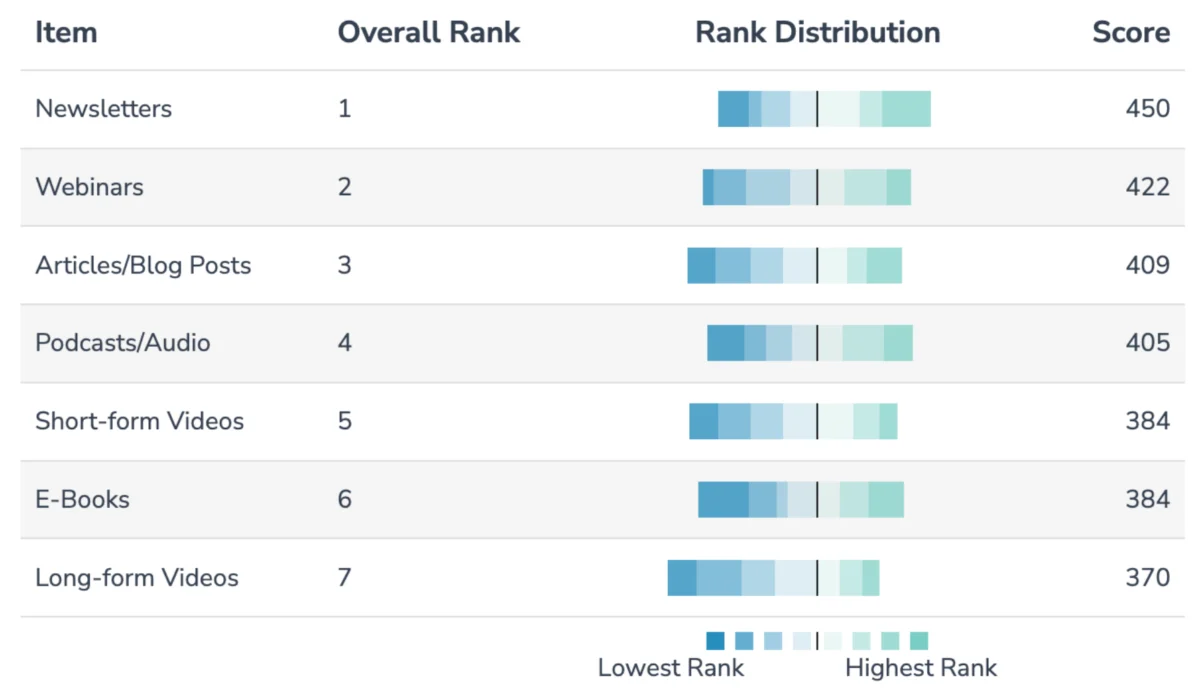
The evolution of The Trendline was not a reactionary impulse but a response to hard data. In their most recent annual survey of marketing leaders, Convince & Convert asked a pivotal question: "What content formats do you prefer when learning about marketing trends and insights?"
The results were unequivocal. Among seven distinct formats, including short-form video, webinars, blogs, and podcasts, newsletters were ranked as the preferred medium by a significant margin. Specifically, newsletters were nearly twice as likely to be ranked first than any other format.
This preference highlights a growing fatigue among senior decision-makers. The era of the "link farm"—a newsletter that acts merely as a directory of blog posts—is waning. Today’s leaders are looking for "intelligent synthesis." They don’t want to be told what happened; they want to know what it means and, more importantly, why it matters to their bottom line.
Chronology of a Pivot: From "ON" to "The Trendline"
The transition from ON to The Trendline was a methodical, data-backed process that unfolded over several quarters.
Phase 1: Auditing the "Content-First" Model
For years, the agency followed the industry standard: producing a high volume of podcasts, research reports, and blog posts, then distributing them via an "everything-included" newsletter format. However, internal metrics and qualitative feedback indicated a decline in engagement. The structure relied too heavily on the reader to "do the work"—to click, to navigate, and to interpret the value of the linked assets.

Phase 2: Audience Sentiment Analysis
The agency’s annual research project provided the necessary mandate for change. By isolating the preferences of CMOs and marketing directors, the team recognized that the "information-first" approach was failing. Senior leaders operate in environments where time is the primary constraint; they need solutions that arrive pre-processed and strategically framed.
Phase 3: Structural Redesign
The team moved to a "debrief" format. They stripped away the reliance on external links, shifting the primary value proposition to the body of the email itself. The new editorial mandate was simple: provide the insight upfront, offer a clear takeaway, and allow the reader to feel smarter in under five minutes.
The Data Behind the Decision
The move toward The Trendline is underpinned by a clear understanding of the cognitive load placed on modern marketers. In the previous format, the success of the content was tied to the click-through rate (CTR). In the new model, the success metric is "utility."
Convince & Convert identified three primary opportunities for improvement:
- Reducing Friction: Moving from a "click-to-read" model to an "all-in-the-email" model.
- Strategic Synthesis: Providing a professional lens on topical events rather than a neutral news summary.
- Actionability: Ensuring that every section of the newsletter provides a direct benefit or a "thought-starter" for the reader’s internal strategy meetings.
Official Response: Why "The Trendline" is the Future of Owned Media
According to the leadership at Convince & Convert, the change in title—from the generic ON to the more descriptive The Trendline—is deliberate. The goal was to create something "ownable" and shareable. A "trendline" implies movement, strategic direction, and the ability to spot shifts in the industry before they become mainstream.
"We believe owned media channels like newsletters are more important than ever," notes the agency’s leadership. "The newsletter format allows our strategists to spend consistent, high-value time with our audience. It builds authority and trust in a way that social media algorithms simply cannot replicate."
The inclusion of an interactive "Sound Off" poll at the end of each edition serves a dual purpose. It creates an engagement loop, allowing the agency to gauge real-time sentiment on industry topics, while providing a cleaner, more reliable engagement metric than the notoriously unreliable open and click-through rates that have plagued email marketing for years.
Implications for Modern Content Strategy
The transition of The Trendline offers a roadmap for any brand looking to improve its email marketing efficacy. The implications for the wider marketing community are profound:

1. The Quality Bar is Rising
What worked in email marketing five or ten years ago is now considered "noise." As platforms mature, the audience becomes more sophisticated. Brands that continue to treat newsletters as mere distribution vehicles for their own blog content risk losing their standing as industry thought leaders.
2. Value Must Be Delivered Upfront
The "click-bait" style of newsletter writing—where the email is just a teaser for a longer piece—is losing its luster. The most effective newsletters today are those that provide 100% of the value inside the inbox. If the reader has to click to find the point, you have already lost a portion of your audience.
3. Audience Research is Non-Negotiable
The pivot to The Trendline was not based on intuition; it was based on rigorous audience polling. Many brands operate under the assumption that they know what their customers want. The success of this transition highlights that professional, senior-level audiences are often willing to share exactly how they prefer to consume information if asked.
4. The "Debrief" Format as a Competitive Advantage
By framing their content as a "debrief" rather than a "news dump," the team at C&C has positioned themselves as a consultant rather than a publisher. This shift builds trust. When a brand acts as a filter, saving the reader time by curating the most relevant information, they earn the reader’s loyalty.
Conclusion: Lessons for the Marketing Leader
As we move further into a decade defined by artificial intelligence and automated content generation, the human element of curation becomes even more valuable. The noise will only continue to increase.
For marketing leaders looking to replicate the success of this strategy, the path is clear:
- Stop measuring volume: A higher frequency of emails does not equate to higher brand affinity.
- Prioritize the "Why": Your audience doesn’t need to know that a trend exists; they need to know what to do about it.
- Respect the time of the expert: When writing for senior decision-makers, be concise, be opinionated, and be actionable.
The evolution of The Trendline serves as a stark reminder that in the attention economy, the brands that win are those that provide the most clarity. As Convince & Convert continues to iterate on this model, they are setting a new standard for what a professional newsletter can be: a resource that helps its readers not just stay informed, but think, strategize, and lead with confidence.
In a world drowning in content, the curator is king. The lesson for the industry is simple: start with research, deliver value in the inbox, and focus on helping your audience make sense of the chaos. The rest will follow.