The landscape of wearable technology has long been dominated by high-end powerhouses. When consumers think of health tracking, the immediate mental associations are often the Apple Watch Ultra 3 or the Garmin Fenix 8—devices that represent the absolute pinnacle of engineering, aesthetics, and software integration. However, these flagships come with a prohibitive barrier to entry, often costing hundreds of dollars.
For the average consumer, the "premium-only" narrative is beginning to crack. As technology matures and hardware costs stabilize, a new generation of budget-friendly fitness trackers has emerged, proving that effective health monitoring doesn’t require a four-figure investment. Whether you are a casual walker, a data-hungry athlete on a budget, or someone simply curious about their sleep patterns, there is now a wealth of options available for under $100 that punch well above their weight class.
The Shift in the Wearable Market
In recent years, the market has pivoted from "luxury smartwatches" to "purpose-built wellness companions." The demand for sleek, unobtrusive, and highly functional devices has surged. Manufacturers have responded by stripping away the expensive, power-hungry displays and cellular modems that drive up the price of high-end watches, focusing instead on core biometric sensors that provide actionable health data.
This democratization of health tech is significant. It lowers the barrier for demographics that were previously excluded from the digital health revolution, such as students, seniors, and those in developing markets. By prioritizing essential metrics—heart rate variability (HRV), sleep staging, and activity tracking—budget trackers have transformed from simple pedometers into comprehensive wellness tools.
Key Contenders in the Under-$100 Category
To understand the current state of the market, we must look at the devices currently leading the charge.
1. The Xiaomi Smart Band 10
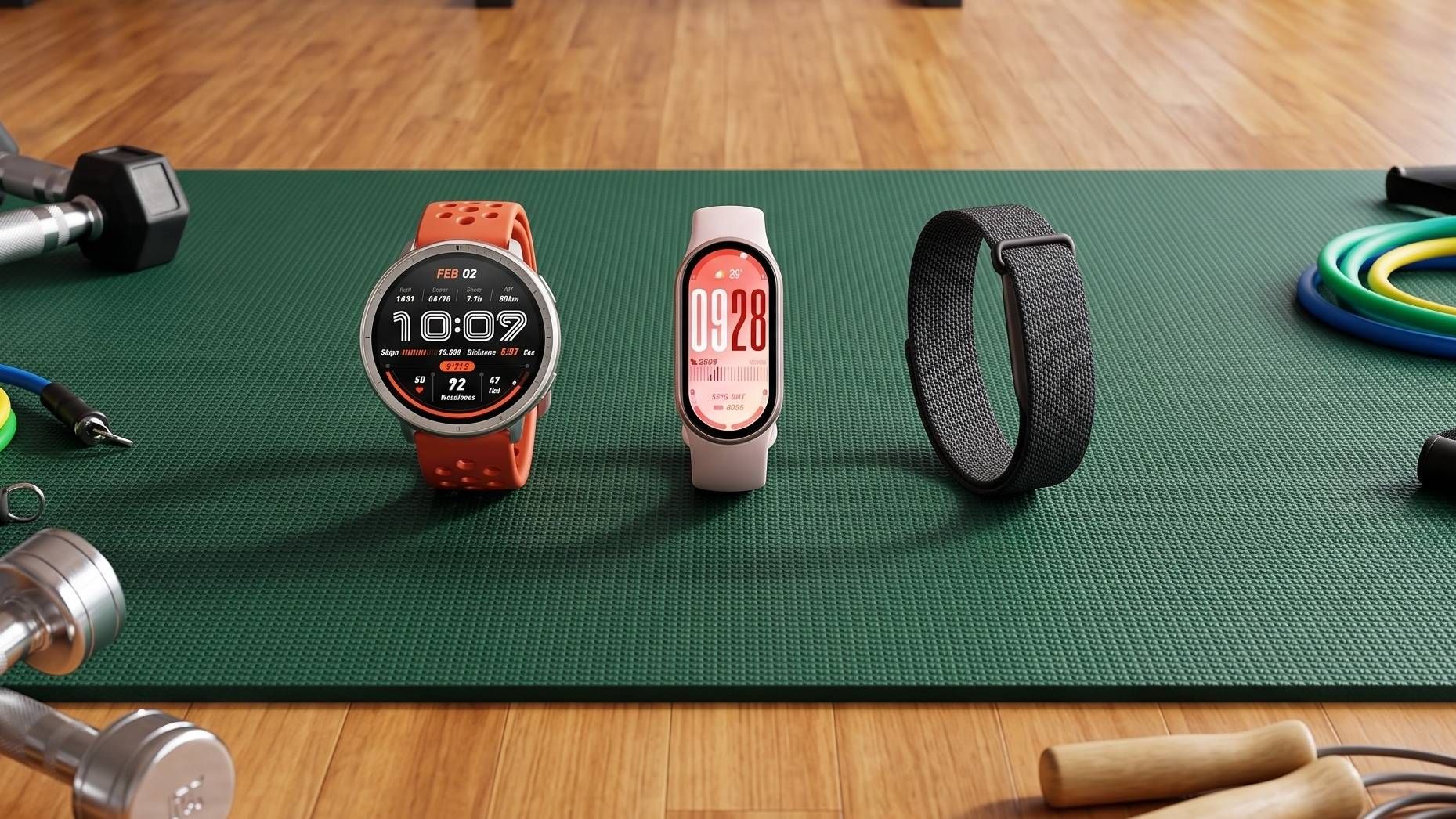
The Xiaomi Smart Band 10 remains the gold standard for value-driven fitness tracking. By maintaining a slim, lightweight form factor and focusing on a long-lasting battery life, it addresses the primary pain point of modern smartwatches: charging anxiety. It offers a suite of fitness modes and lifestyle features that were, until recently, restricted to devices costing three times as much.
2. The Google Fitbit Air
The most significant entry for 2026 is undoubtedly the Google Fitbit Air. This screenless, AI-powered device represents a paradigm shift. By removing the display, Google has created a device that is essentially "invisible," serving as a discreet companion that doesn’t demand constant attention. Its integration with Google’s AI health suite allows for personalized wellness coaching, making it a formidable competitor to premium subscription-based platforms like Whoop. While it offers a premium subscription model for deep-dive analytics, the hardware itself functions as a highly competent, stand-alone tracker.
3. The Amazfit Ecosystem
Amazfit continues to dominate the mid-range and budget segments through sheer variety and high build quality. The Amazfit Active 2, which received critical acclaim for its performance-to-price ratio, stands as a testament to what is possible under the $100 threshold. Furthermore, the Amazfit Helio Strap—a unique device that emphasizes a subscription-free experience—appeals to users who are wary of the "software-as-a-service" trend sweeping the fitness industry.
Chronology of the Budget Revolution
- 2020-2022: The early stages of the pandemic saw a massive spike in health awareness. Manufacturers began experimenting with basic optical heart rate sensors in sub-$50 devices.
- 2023: The market became saturated with "copycat" devices. Consumers began to demand better software stability and improved app ecosystems, pushing smaller brands out of the market.
- 2024: Major players like Google and Xiaomi shifted focus toward AI-integrated metrics, realizing that the value of a device is found in the analysis, not just the hardware.
- 2025-2026: The current era. The removal of expensive components (like high-res OLED screens) has enabled manufacturers to lower prices while keeping sensor accuracy high.
Supporting Data: Why Price Doesn’t Equal Accuracy
A common misconception is that a $500 watch provides significantly more accurate heart rate data than a $70 tracker. In reality, most wearables within the same brand ecosystem share similar sensor technology. The primary difference between a budget tracker and a flagship watch often lies in the "lifestyle" features—GPS precision, titanium casing, sapphire crystal glass, and third-party app support.
For the user whose primary goal is to count steps, track sleep, and maintain a consistent heart rate during workouts, the technical variance is often negligible. According to independent studies on consumer wearables, the variance in resting heart rate monitoring between entry-level and high-end devices typically sits within a 3–5% margin, which is sufficient for general wellness monitoring.
Implications: The Death of the "Gimmick"
The rise of the budget fitness tracker has profound implications for the industry. First, it forces high-end manufacturers to justify their price tags. If a $99 device can track sleep and activity with 95% accuracy, why should a consumer pay $800?
Second, it shifts the focus toward the "Wellness Subscription." As hardware margins shrink, companies are moving toward software-based monetization. This creates a new reality where the hardware is inexpensive, but the "intelligence" (AI-driven insights, personalized training plans) is gated. Consumers must now decide whether they prefer a one-time purchase or a recurring monthly fee for deeper data analysis.
Official Responses and Industry Outlook
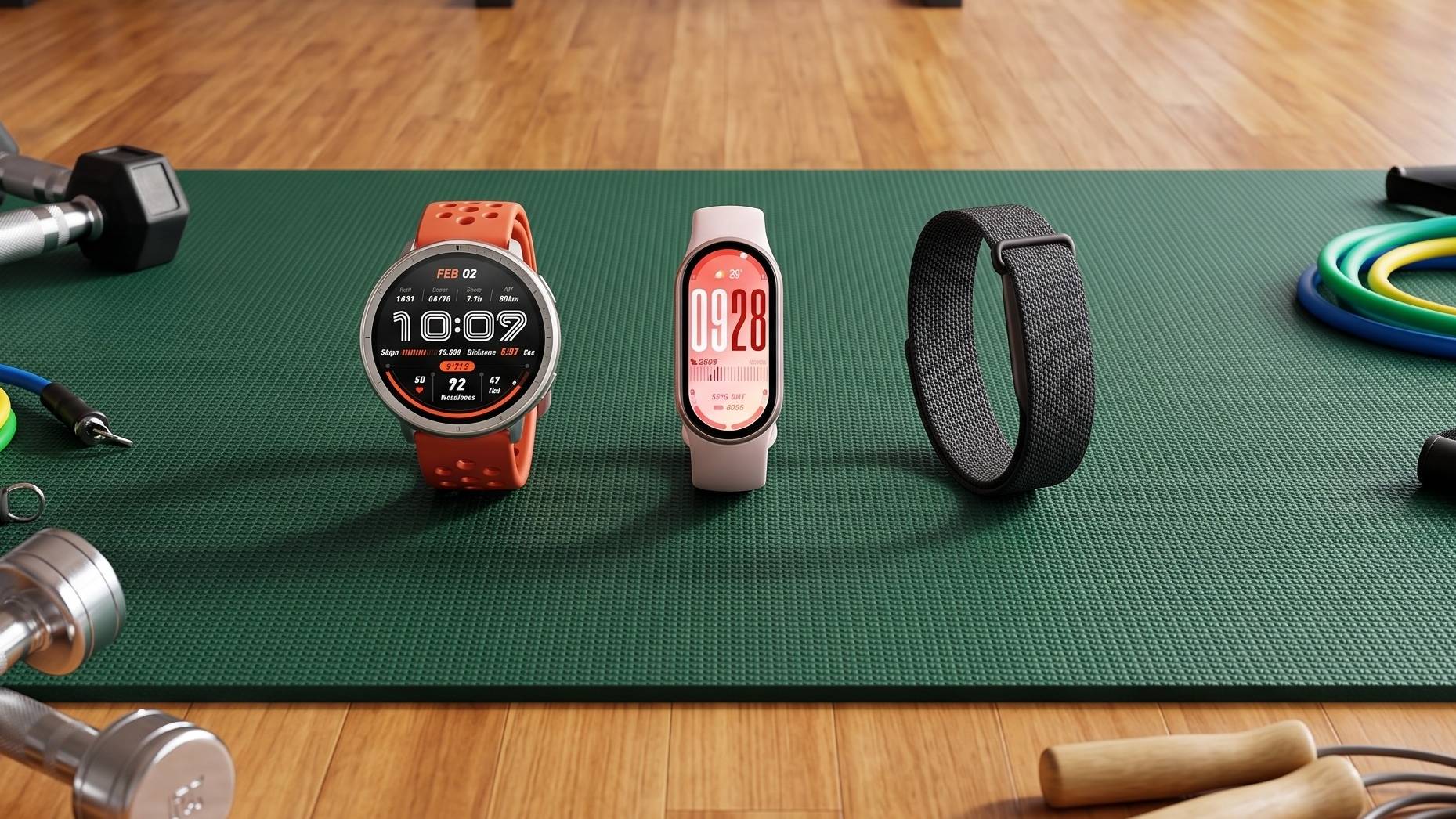
Industry analysts suggest that the budget segment will continue to grow as sensors become even cheaper. The "screenless" trend, pioneered by the Google Fitbit Air, is expected to gain significant traction. This design philosophy reduces manufacturing complexity and increases durability, as there is no glass screen to crack.
In response to the popularity of budget devices, traditional fitness brands are increasingly focusing on "ecosystem lock-in." They are not competing on the price of the watch; they are competing on the quality of the data platform. The goal is to get the user into the app, keep them engaged with notifications and streaks, and ensure that when they do eventually upgrade, they stay within the same brand ecosystem.
How to Optimize Your Budget Tracker
If you have recently invested in an entry-level fitness tracker, the efficacy of the device depends heavily on how you use it. To maximize a budget device, consider the following strategies:
- Consistent Wear: Unlike a luxury watch that you might take off to avoid scratches, budget trackers are designed to be worn 24/7. Keep it on during sleep to gather baseline data.
- Calibration: Most budget trackers allow you to input your stride length or body metrics. Spending five minutes in the app settings to calibrate these can increase step-tracking accuracy by up to 20%.
- Leverage Third-Party Apps: Many budget trackers sync with apps like Strava, MyFitnessPal, or Google Fit. Use these to aggregate your data, which can often provide a better user experience than the proprietary app provided by the manufacturer.
- Prioritize Core Metrics: Don’t get distracted by "vanity" metrics. Focus on your resting heart rate and your weekly activity volume. These are the two most reliable indicators of fitness progress.
- Smart Notifications: Turn off non-essential notifications. Budget trackers often have smaller batteries; reducing the number of pings will significantly extend the time between charges, making the device feel more like a seamless part of your life.
Conclusion: The Path Forward
The "premium-only" era of fitness tech is officially over. As we look toward the remainder of 2026 and beyond, the market is favoring accessibility and functional efficiency. Whether you opt for the AI-driven simplicity of the Google Fitbit Air or the proven reliability of a Xiaomi or Amazfit device, the data suggests that you don’t need a heavy, expensive watch to take control of your health.
The best fitness tracker is not the one with the most bells and whistles—it is the one that you actually wear, that provides the data you need, and that doesn’t leave your bank account empty. By focusing on the essentials, consumers can achieve their health goals without compromising their financial security, marking a significant win for the average user in an increasingly tech-dependent world.