By Editorial Staff | August 17, 2026
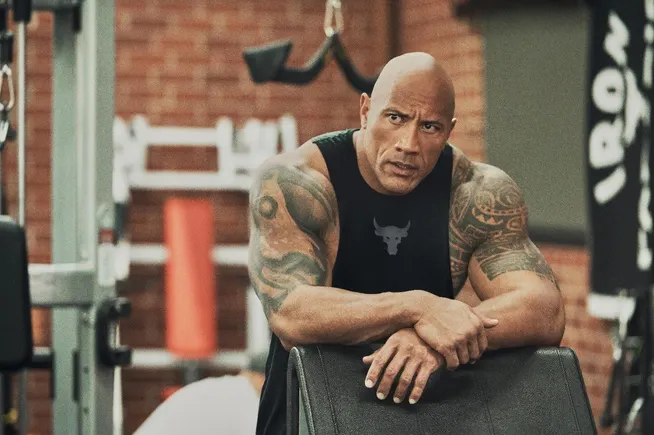
In a move that signals a profound shift in corporate strategy and marketing direction, Under Armour announced last Thursday the conclusion of its decade-long partnership with Dwayne “The Rock” Johnson and his training brand, Project Rock. This departure, described by both parties as a “natural conclusion,” marks the end of one of the most visible and commercially successful celebrity-retailer collaborations in the athletic apparel industry.
The announcement comes just nine months after Under Armour parted ways with another pillar of its marketing identity, NBA superstar Stephen Curry. As the Baltimore-based athletic giant grapples with declining revenue and a need for greater operational efficiency, these high-profile exits underscore a broader, more aggressive restructuring effort spearheaded by founder and CEO Kevin Plank.
The Evolution and End of a Powerhouse Partnership
Founded in 2017, Project Rock was far more than a simple endorsement deal. It represented a deep integration of intellectual property, product design, and lifestyle marketing. Under the Under Armour umbrella, the line—which featured footwear, apparel, and training accessories—became synonymous with high-intensity fitness, grit, and the “hardest worker in the room” ethos that defines Johnson’s personal brand.
During its tenure, Project Rock became a cornerstone of Under Armour’s training category. It facilitated key partnerships, most notably with the UFC, and extended the brand’s reach into niche athletic arenas, including mixed martial arts and various Olympic disciplines.
Despite the collaborative success, the partnership’s dissolution reflects a changing retail landscape. Under Armour confirmed that the brand will continue to sell remaining Project Rock inventory through October, after which the collaboration will formally sunset.
A Chronology of the Shift
To understand the current state of Under Armour, one must look at the recent sequence of events that has redefined its marketing roster:
- November 2025: Under Armour confirms the end of its long-term partnership with Stephen Curry. Shortly thereafter, it is revealed that the NBA star has signed with China-based sportswear titan Li-Ning, dealing a significant blow to Under Armour’s basketball credibility.
- July 2026: Under Armour pivots to a new strategy, announcing a campaign starring actor François Arnaud, known for the series “Heated Rivalry,” aiming to broaden the brand’s appeal beyond traditional athletic spheres.
- Early August 2026: The company announces K-pop sensation BoyNextDoor as its latest brand ambassadors, signaling a move toward younger, global, and entertainment-focused demographics.
- August 17, 2026: Official confirmation of the end of the decade-long partnership with Dwayne “The Rock” Johnson.
This rapid transition suggests a deliberate attempt by the executive team to move away from legacy celebrity-led models toward more agile, culturally diverse, and perhaps more cost-effective marketing strategies.
Financial Realities: The Data Behind the Decision
The decision to move on from massive, multi-million dollar endorsement deals is rooted in hard data. In its Q1 2027 earnings report, Under Armour revealed a 3% decline in quarterly revenue. Facing a cooling demand in the North American market and increased pressure from competitors like Nike and Hoka, the company is under immense pressure to improve its margins.
During the company’s recent earnings call, CEO Kevin Plank provided clarity on the financial philosophy driving these changes. “Our marketing isn’t broken,” Plank asserted, “it just needs to be better aligned with product.”
The company has initiated a “marketing reset,” which involves rebalancing expenditures to be lower as a percentage of overall revenue. The goal is to maximize the Return on Investment (ROI) for every dollar spent. Plank emphasized that the focus is moving toward “making each dollar work harder behind a brand idea consumers can understand, remember, and purchase against.”
The financial implications are clear: Under Armour is shifting from a reliance on “hero” endorsements—which carry massive overhead—to a strategy that prioritizes product-led marketing, where the brand identity is tied directly to the utility and innovation of the gear rather than the celebrity wearing it.

Official Responses and Strategic Vision
The official statements from both Under Armour and Dwayne Johnson reflect a desire to keep the transition amicable while positioning their respective futures.
The Under Armour Perspective
An Under Armour spokesperson stated: “As we sharpen our focus and strengthen our core business, we’re creating a more unified expression in our train category. We’re incredibly grateful to DJ and his entire team for their partnership, friendship, and everything we’ve built together over the past decade. We wish him and his team nothing but continued success.”
The Project Rock Perspective
Dwayne Johnson expressed his gratitude for the journey, noting, “I’m grateful to Under Armour and to every person who helped us build this epic chapter of Project Rock. I’m proud of what we created together, and even more proud of all the people behind the scenes who poured themselves into Project Rock… Now we move on to new north stars, new partners, and with one intention in mind—deliver for the people.”
The phrasing regarding “new north stars” suggests that Project Rock, while exiting the Under Armour ecosystem, intends to continue as an independent entity or under a new partnership structure, maintaining its focus on the training ethos that defined the brand.
Implications: What Lies Ahead for Under Armour?
The departure of The Rock leaves a vacuum in the “training” segment, which Under Armour must now fill with internal innovation. The company’s move to sign figures like François Arnaud and the members of BoyNextDoor signals a shift toward a lifestyle-forward approach.
1. Diversification of Influence
By moving toward K-pop and streaming-series actors, Under Armour is attempting to capture a demographic that is younger and more globally mobile. The athletic brand is betting that current consumers value cultural relevance as much as—if not more than—professional sports accolades.

2. The Risk of Brand Dilution
However, the pivot carries risks. Under Armour was historically built on the strength of its “authentic athlete” persona. By moving away from stars like Curry and Johnson, the company risks losing its connection to the “serious training” demographic that viewed the brand as a top-tier performance provider. If the new, more entertainment-heavy marketing does not successfully translate into product sales, the company may struggle to maintain its premium positioning.
3. Operational Efficiency
The “marketing reset” is fundamentally a survival mechanism. By reducing marketing spend and focusing on internal brand alignment, Under Armour is attempting to stabilize its balance sheet. If successful, this could lead to a more profitable, albeit less “star-powered,” company. If it fails, the brand may face further erosion of its market share as competitors continue to invest heavily in top-tier talent.
Conclusion
The end of the partnership with Dwayne Johnson is a watershed moment for Under Armour. It signals that the era of the “mega-ambassador” is being re-evaluated in favor of leaner, more targeted growth strategies.
As Kevin Plank attempts to lead the company through this transition, the pressure to deliver a “unified expression” of the brand will be the ultimate test. Whether the new, diverse roster of ambassadors—and a tighter focus on product-led marketing—can win over a consumer base that has been conditioned to look for the next big star remains the defining question for the coming fiscal year.
For now, the athletic world watches as Under Armour sheds its skin, hoping that this strategic shedding leads to a leaner, more resilient, and ultimately more profitable future. The “natural conclusion” reached with The Rock may be the end of an era, but for Under Armour, it is the beginning of a high-stakes experiment in modern retail.