As the autumn leaves begin to turn across the French landscape, a silent but profound crisis is unfolding beneath the surface. While the public focus often remains on surface water levels in rivers and reservoirs, the French Geological and Mining Research Bureau (BRGM) has issued a sobering warning regarding the state of the nation’s groundwater reserves. Following a summer characterized by intense, prolonged heat and persistent rainfall deficits, the hydrological situation in France has reached a critical juncture.
According to the latest bulletin released by the BRGM on October 8, 2026, the data paints a bleak picture: as of the first of the month, a staggering 66% of groundwater monitoring points across France are recording levels well below seasonal norms. This is not merely a temporary fluctuation; it represents a systemic failure of the recharge cycle that is essential for the country’s long-term water security.
The Mechanics of a Drought: Why the Rain Isn’t Enough
For the layperson, the arrival of autumn rain often signals a sense of relief. However, the BRGM emphasizes that the current rainfall patterns are failing to translate into meaningful aquifer replenishment. The recharge process—the mechanism by which rainwater filters through the soil to replenish deep underground reservoirs—is currently obstructed by a "triple threat" of environmental factors.
The Parched Soil Barrier
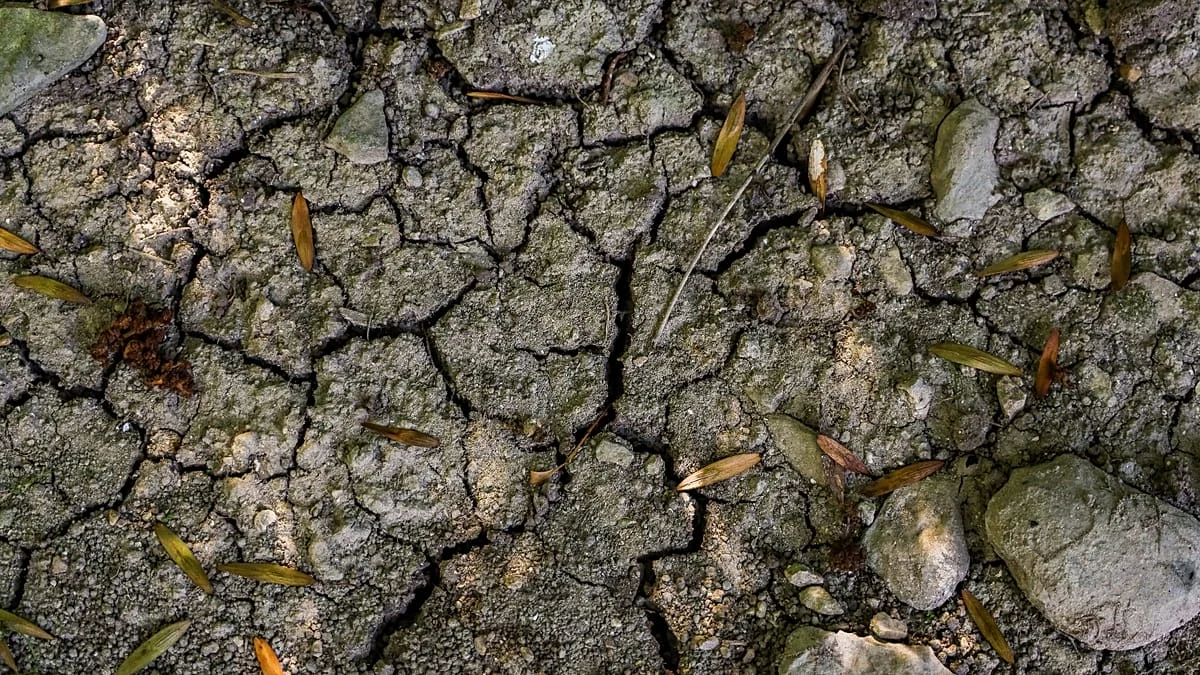
The primary obstacle is the extreme desiccation of the soil following a scorching summer. When ground moisture reaches a critical minimum, the soil structure changes, often becoming hydrophobic or compacted. Consequently, when the first autumnal rains arrive, the water does not infiltrate downward; instead, it remains at the surface, causing localized runoff or simply evaporating before it can penetrate the deeper strata.
Evapotranspiration and Biological Demand
Even as temperatures cool, the processes of evapotranspiration remain active. Vegetation, still recovering from the summer stress, continues to draw moisture from the upper layers of the soil. This biological demand acts as a sponge, intercepting water before it can migrate to the aquifers.
The Accumulated Deficit
The third, and perhaps most insidious, factor is the "memory" of the climate. The early autumn period has been marked by high temperatures and relatively light, sporadic rainfall. This has delayed the onset of the traditional recharge season, which typically commences by early October. By failing to start the process on schedule, the deficit from the summer months has effectively locked in a downward trend that is becoming increasingly difficult to reverse.
A Comparative Analysis: 2026 vs. 2022 and 2025
The current hydrological data provides a jarring contrast to recent years. On October 1, 2025, only 31% of the monitored groundwater sites were below normal. Today, that figure has more than doubled to 66%.
The BRGM has explicitly compared the 2026 situation to the catastrophic drought year of 2022. During that period, an exceptional combination of heatwaves, lack of precipitation, and heavy water abstraction led to historically low water tables across much of France. While the specific aquifers affected in 2026 may differ in geography from those in 2022, the intensity of the decline is comparable.
Furthermore, the nature of the aquifers themselves is playing a role in the volatility of the situation. Experts distinguish between two types:
- Reactive Aquifers: These systems respond rapidly to precipitation. While they are currently in decline, they possess the potential to recover quickly if a sustained period of heavy rain occurs.
- Inertial Aquifers: These are the primary cause for concern. These systems have a slow response time, often requiring months or even years to fully recover from a deficit. Because they do not react to short-term weather changes, they are currently trending downward with a momentum that is difficult to arrest, even if the weather were to turn significantly wetter tomorrow.
Regional Disparities: A Patchwork of Scarcity
The crisis is not distributed equally across the French territory. The BRGM’s mapping indicates that the most acute stress is concentrated in the central and eastern regions. Areas such as the Limousin, Morvan, Livradois, Forez, and Vivarais are experiencing severe depletion. Moving east, the situation remains dire from the Champagne region through to Lorraine, northern Alsace, and as far as the Jura mountains.
Conversely, some regions in the south-east of the country are showing more resilient levels. This variance is attributed to localized precipitation patterns during the summer and the specific geological composition of the underlying rock, which dictates how efficiently water is stored and retained in those particular zones.
Implications for National Security and Industry
The implications of this water deficit extend far beyond environmental monitoring. Groundwater is the bedrock of French water management, supplying nearly two-thirds of the nation’s drinking water and over one-third of the water required for industrial and agricultural activity.
The Agricultural Burden
The agricultural sector, already battered by the 2026 drought, faces a precarious future. As irrigation reserves dwindle, farmers are forced to rely on groundwater extraction, which in turn accelerates the depletion of the aquifers. This creates a feedback loop that threatens both crop yields and the long-term viability of small-to-medium-sized farming operations.
Drinking Water Vulnerability
While municipal authorities have various mechanisms for water distribution, a prolonged shortfall in aquifer levels forces water utilities to switch to alternative sources—such as surface water—which are often more prone to pollution and require more expensive treatment processes. If the trend continues, the potential for strict water usage restrictions in the coming spring and summer becomes a distinct possibility.
The Decisive Role of the Coming Months
The BRGM remains cautious but clear: the next few weeks are critical. While it is theoretically possible to begin a significant recharge cycle, it would require consistent, heavy rainfall. A few isolated storms, while welcome, will not be sufficient to bridge the massive gap created by the summer heat.
"The slowest-responding aquifers will likely continue to decline until the end of autumn regardless of immediate weather conditions," noted a spokesperson for the BRGM. For many regions, the experts suggest that a wetter-than-average winter will be the only pathway to returning the aquifers to a stable, normal state.
The Uncertainty of Meteorological Forecasts
Adding to the challenge is the lack of long-range certainty. Météo-France, the national meteorological service, has indicated that there is currently no clear consensus in seasonal forecasting. It is impossible to say with scientific confidence whether the remainder of the autumn and the coming winter will be generally wet or dry. This unpredictability makes the task of long-term water management an exercise in crisis mitigation rather than strategic planning.
Conclusion: A Call for Adaptation
The 2026 drought serves as a stark reminder of the vulnerability of France’s water resources in an era of climate instability. The data provided by the BRGM is a call to action for policymakers, industries, and the public. As the nation watches the groundwater levels with bated breath, it is clear that the "old normal" of water abundance is a thing of the past.
Moving forward, the focus must shift from simply managing the symptoms of drought to building systemic resilience. This includes investing in infrastructure to improve water retention, enforcing more stringent abstraction controls for agriculture and industry, and fostering a cultural shift toward water conservation. The crisis beneath our feet is a reflection of the climate crisis above, and as the winter months approach, the nation must prepare for a future where every drop of rain counts.
For now, all eyes remain on the skies, hoping for a winter that provides not just the relief of rain, but the fundamental replenishment required to sustain the lifeblood of the French countryside.