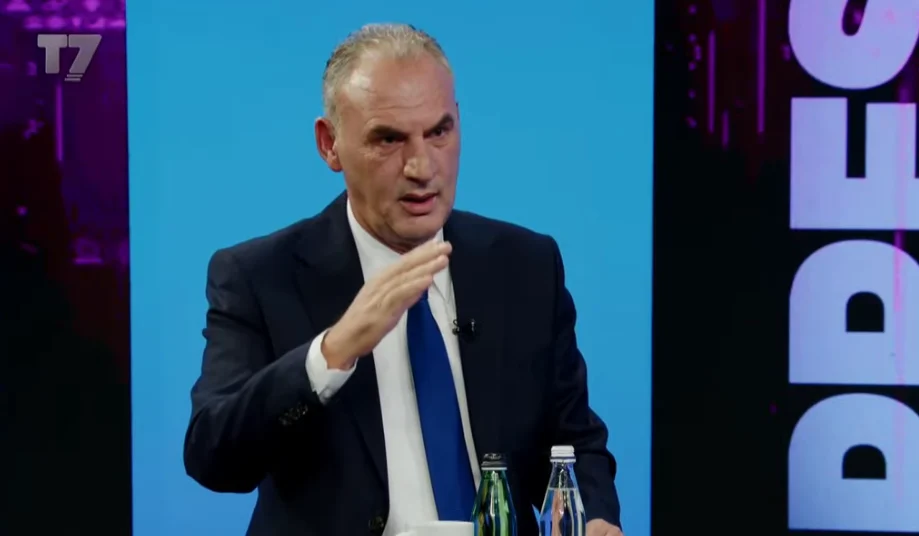
Pristina, Kosovo – September 15, 2026 – As Kosovo braced for a pivotal moment in its post-war history, former Kosovo Liberation Army (KLA) commander Fatmir Limaj offered a poignant reflection on the eve of a highly anticipated verdict from the Kosovo Specialist Chambers and Specialist Prosecutor’s Office (KSC & SPO) in The Hague. Speaking on T7’s "Pressing" program on Tuesday night, Limaj articulated a profound sense of anticipation, hope, and the collective weight of expectation resting on the shoulders of the nation. His comments came just hours before the court was set to deliver its judgment on four prominent former KLA leaders, a decision that promises to reverberate across Kosovo’s political, social, and historical landscape.
Limaj, himself acquitted in previous war crimes trials, drew parallels between his own legal battles and those of former Prime Minister Ramush Haradinaj, suggesting their acquittals could serve as a powerful precedent. "My acquittal judgment helped in Ramush Haradinaj’s judgment, and these two cases, mine and Haradinaj’s, I expect will help in the acquittal judgments for the four former KLA leaders," Limaj stated, expressing a sentiment shared by many within Kosovo who view the KLA as liberators rather than perpetrators of war crimes.
The former commander described the night as "extraordinarily difficult, everything goes through one’s mind." He emphasized the enduring impact of the verdict, regardless of its outcome, stating, "The effects will then be effects that we, as Kosovo and its citizens, will have to live with." With a note of profound hope, he added, "This chapter should finally close tomorrow. I expect that tomorrow the founders of the KLA and the state will return as they left: proud and with dignity." His words encapsulate the deep emotional connection many Kosovars feel towards the KLA and the founders of their independent state, making the impending verdict not just a legal matter, but a deeply personal and national one.
The Unfolding Chronology: From War to International Justice
To fully appreciate the gravity of Limaj’s statements, it is essential to understand the intricate historical and legal timeline that has led to this moment. The story begins with the brutal conflict of the late 1990s and extends through decades of nation-building, reconciliation efforts, and the complex pursuit of international justice.
The Genesis of the KLA and the Kosovo War (1998-1999)
The Kosovo Liberation Army (KLA) emerged in the mid-1990s as a guerrilla force advocating for the independence of Kosovo from Serbia. Composed primarily of ethnic Albanians, the KLA engaged in armed resistance against Serbian police and military forces, escalating into a full-scale war in 1998-1999. The conflict was marked by widespread human rights abuses, including ethnic cleansing campaigns by Serbian forces against Albanian civilians, and allegations of war crimes committed by elements within the KLA against Serbian, Roma, and Albanian civilians perceived as collaborators. NATO’s intervention in March 1999 ultimately led to the withdrawal of Serbian forces and the establishment of a UN administration in Kosovo, paving the way for its declaration of independence in 2008.
The Formation of the Kosovo Specialist Chambers and Specialist Prosecutor’s Office (KSC & SPO)
The path to the KSC & SPO was fraught with political complexity and international pressure. Allegations of war crimes by KLA members, including organ trafficking and other grave abuses, first surfaced in a 2010 report by Council of Europe rapporteur Dick Marty. These claims, though vehemently denied by Kosovo, led to significant international scrutiny. Unable or unwilling to prosecute these sensitive cases domestically due to political pressures, witness intimidation concerns, and a perceived lack of capacity, Kosovo’s Assembly, under immense pressure from the European Union and the United States, voted in 2015 to establish the KSC & SPO.
The KSC & SPO operates under Kosovo law but is staffed by international judges and prosecutors and is based in The Hague, Netherlands, to ensure impartiality and protection for witnesses. Its mandate is specifically to investigate and prosecute individuals for crimes against humanity, war crimes, and other crimes under Kosovo law, committed between January 1, 1998, and December 31, 2000, that are linked to the allegations in Dick Marty’s report. For many Kosovars, the court is seen as an imposition, unfairly targeting their liberators while overlooking Serbian crimes. For the international community, it represents a crucial step towards accountability and upholding international rule of law.
Previous Trials and Precedents: Limaj and Haradinaj at the ICTY
Fatmir Limaj’s reference to his and Ramush Haradinaj’s acquittals is significant because both men faced similar charges at the International Criminal Tribunal for the former Yugoslavia (ICTY) in The Hague, a precursor to the KSC & SPO.
Fatmir Limaj’s Trials: Limaj, known by his wartime nom de guerre "Commander Çeliku," was among the first high-ranking KLA officials to be indicted by the ICTY. He was initially arrested in 2003 and faced charges related to the treatment of detainees at a KLA camp in Klečka. After a lengthy trial, he was acquitted of all charges in 2005. He later faced domestic charges in Kosovo related to corruption and organized crime, including the "Nish Fortress" case concerning the Ministry of Transport, where he was also ultimately acquitted in 2017. These repeated acquittals, particularly the ICTY one, solidified his narrative of being unjustly targeted but ultimately vindicated.
Ramush Haradinaj’s Trials: Ramush Haradinaj, another prominent KLA commander and former Prime Minister of Kosovo, also endured multiple trials at the ICTY. He was indicted in 2005 on 37 counts of war crimes and crimes against humanity. After his initial trial, he was acquitted in 2008. However, the Appeals Chamber ordered a partial retrial due to concerns about witness intimidation. In 2012, Haradinaj was again acquitted of all charges, with the court citing insufficient evidence and challenges related to securing witness testimony. His repeated acquittals, despite facing grave accusations, became a symbol of perceived international judicial failures by some, and a testament to his innocence by others.
These two cases loom large over the current proceedings at the KSC & SPO. The acquittals of Limaj and Haradinaj, particularly on charges of command responsibility and direct involvement in alleged atrocities, provide a historical context for the current defendants and fuel the hope among their supporters that a similar outcome is possible.
The Current Case: High-Profile Defendants Await Verdict
The verdict anticipated on September 16, 2026, concerns four of the most senior figures of the KLA: Hashim Thaçi, Kadri Veseli, Rexhep Selimi, and Jakup Krasniqi. All four held crucial political and military roles during the war and subsequently became leading figures in independent Kosovo’s political establishment, including serving as President, Speaker of Parliament, and ministers. They were arrested in November 2020 and have been held in pre-trial detention in The Hague ever since.

The indictment against them, confirmed in 2020, alleges a joint criminal enterprise to gain and maintain control over Kosovo by committing crimes against humanity and war crimes. These charges include persecution, imprisonment, illegal or arbitrary arrest and detention, cruel treatment, torture, murder, enforced disappearance of persons, and other inhumane acts. The alleged victims include hundreds of individuals, primarily Kosovar Albanians who were political opponents, as well as Serbs, Roma, and members of other minorities. The trial has been extensive, involving numerous witnesses and vast amounts of evidence, captivating the attention of Kosovo and the international community.
Supporting Data: Legal Precedents, Public Sentiment, and International Scrutiny
The significance of Limaj’s statement and the impending verdict extends beyond the individuals involved, touching upon broader legal principles, deeply ingrained national narratives, and Kosovo’s standing on the international stage.
The Weight of Legal Precedent
Limaj’s assertion that his and Haradinaj’s acquittals should influence the current verdict is rooted in the principle of legal precedent, though each case is judged on its own merits. The ICTY trials often struggled with securing reliable witness testimony, which was frequently attributed to widespread intimidation and fear. In both Limaj’s and Haradinaj’s cases, the prosecution faced significant challenges in proving "command responsibility" – that the commanders knew or should have known about the crimes and failed to prevent them or punish the perpetrators.
The KSC & SPO was specifically designed to overcome these challenges, with enhanced witness protection measures and a more focused mandate. However, the core legal arguments surrounding command responsibility, direct participation, and the standard of proof remain central. If the current defendants are acquitted, it would likely be due to a failure by the prosecution to prove their direct involvement or command responsibility beyond a reasonable doubt, echoing the difficulties faced in the earlier ICTY trials. Conversely, a conviction would signal a successful navigation of these complex legal hurdles by the KSC & SPO, setting a new precedent for prosecuting high-level wartime officials.
Public Opinion: Liberators or War Criminals?
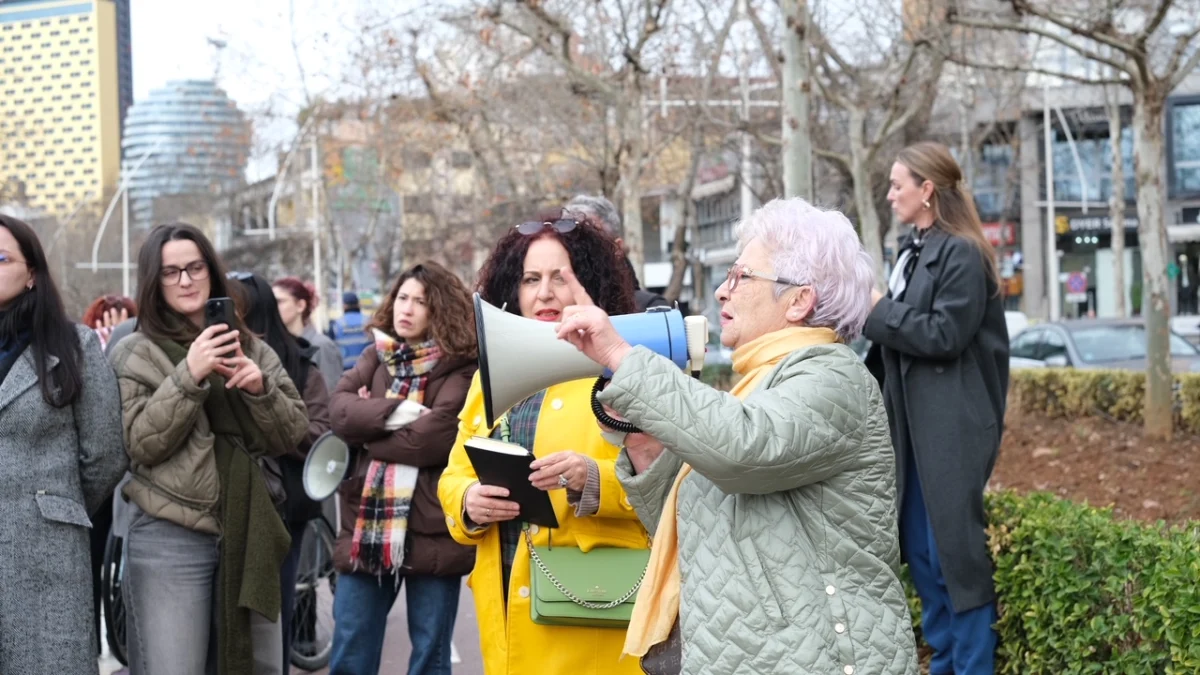
In Kosovo, the KLA is overwhelmingly revered as a liberation army that fought for freedom against an oppressive regime. This narrative is foundational to the nation’s identity and its independence. The KSC & SPO, therefore, is often viewed with suspicion, and even hostility, by a significant portion of the population. Many see it as an attempt to rewrite history, equating the actions of the KLA with those of the Serbian forces, or to undermine Kosovo’s sovereignty. Protests and expressions of solidarity with the defendants have been common since their arrests.
Limaj’s statements resonate deeply with this public sentiment. His description of the "extremely difficult night" captures the collective anxiety, while his hope for the "founders of the KLA and the state" to return "proud and with dignity" reflects the widespread desire for their vindication and the reaffirmation of the KLA’s heroic image. A conviction, regardless of the evidence, would be perceived by many as an injustice and a blow to national pride, potentially fueling resentment towards international justice mechanisms.
The International Legal Context
From an international perspective, the KSC & SPO represents a critical, albeit controversial, effort to ensure accountability for grave crimes. The establishment of the court reflects a commitment by the international community to transitional justice – the process of dealing with the legacy of large-scale human rights abuses. While acknowledging the KLA’s role in the liberation of Kosovo, international law demands that individuals responsible for war crimes and crimes against humanity, regardless of their cause, be held accountable.
The court’s legitimacy is tied to its ability to deliver fair and impartial justice, free from political interference. Its rulings will be scrutinized not only by Kosovo and Serbia but also by international legal scholars, human rights organizations, and governments worldwide. The outcome will inevitably influence perceptions of international justice, the effectiveness of hybrid courts, and the delicate balance between national narratives and universal legal principles.
Official Responses and Broader Reactions
Fatmir Limaj’s appearance on T7’s "Pressing" was more than just a personal reflection; it was a political statement, coming from a veteran figure who has navigated the very legal battles the current defendants now face. His words serve as an unofficial barometer of the prevailing sentiment among a significant portion of Kosovo’s political class and its citizens.
Limaj’s Analysis and Its Resonance
Limaj’s detailed explanation of how his and Haradinaj’s acquittals might influence the current case offers a glimpse into the legal strategy and the hopes of the defense teams, even if indirectly. By highlighting the difficulties the prosecution faced in previous ICTY cases, particularly concerning witness issues and proving command responsibility, Limaj implicitly suggests that similar challenges might hinder the KSC & SPO’s efforts to secure convictions. His emphasis on the "founding fathers" returning "proud and with dignity" is a powerful rhetorical device, framing the legal proceedings not merely as a trial of individuals, but as a judgment on the very foundation of the Kosovar state. This narrative strengthens the perception that the defendants are political prisoners rather than alleged criminals.
Statements from Kosovo Officials
While current Kosovo government officials and the President generally maintain a posture of respecting the judicial process, their statements often carry a subtext of solidarity with the defendants. President Vjosa Osmani and Prime Minister Albin Kurti have, at various times, acknowledged the sacrifices of the KLA and the pain of the families of those detained in The Hague. However, they are also careful to affirm Kosovo’s commitment to international law and its cooperation with the Specialist Chambers, as this cooperation is a prerequisite for Kosovo’s Euro-Atlantic integration aspirations.
Public expressions of outright criticism of the court by high-ranking officials are rare, but the sentiment that the court disproportionately targets Albanians, while crimes committed by Serbian forces remain largely unpunished, is often voiced by political analysts and commentators. The silence on specific aspects of the trial, coupled with general statements about justice and historical truth, creates a complex political environment where official adherence to due process coexists with deep nationalistic sentiments.

International Community’s Stance
The international community, particularly the European Union and the United States, has consistently reiterated its full support for the KSC & SPO. They view the court as a crucial institution for ensuring accountability, upholding the rule of law, and fostering reconciliation in the Western Balkans. For these actors, the court’s success is vital for Kosovo’s credibility on the international stage and its path towards EU membership.
Statements from EU officials and diplomats typically emphasize the independence and impartiality of the court, urging all parties to respect its decisions and cooperate fully. There is a clear expectation that the verdict, whatever it may be, will be accepted and implemented without obstruction, thereby demonstrating Kosovo’s maturity as a state governed by the rule of law. Any attempt to undermine the court or its decisions would likely be met with strong diplomatic repercussions.
Far-Reaching Implications: Shaping Kosovo’s Future
The verdict from the Kosovo Specialist Chambers and Specialist Prosecutor’s Office is not merely a legal outcome; it is a historical inflection point with profound implications for Kosovo’s political stability, societal cohesion, international standing, and the very narrative of its foundation.
Political Implications
An acquittal for the four high-profile defendants would be met with widespread jubilation in Kosovo. It would be seen as a vindication of the KLA’s role and a strong affirmation of the national narrative that portrays them exclusively as heroes. Such an outcome could significantly boost the political fortunes of the defendants, should they choose to re-enter the political arena, potentially reshaping the political landscape. It could also strengthen the hand of nationalist parties and those critical of international intervention.
Conversely, a conviction would send shockwaves through Kosovo. While some might accept the legal findings, many would view it as a grave injustice, potentially leading to social unrest, protests, and a deepening of mistrust in international institutions. The political void left by the conviction of such influential figures could also lead to significant internal power struggles and a period of instability. Regardless of the outcome, the verdict will undeniably influence future elections and the political discourse for years to come.
Societal Implications: Reconciliation and Historical Narrative
The verdict will have a lasting impact on Kosovo’s societal fabric and its journey towards reconciliation. If there are convictions, it will force a difficult national introspection about the darker chapters of the war and challenge the monolithic narrative of the KLA as solely liberators. This could be a painful but necessary step towards confronting past abuses and achieving a more nuanced historical understanding, potentially aiding reconciliation with minority communities and victims of alleged KLA crimes.
However, if the verdict is perceived as unjust by the majority, it could further entrench existing divisions, harden nationalistic sentiments, and impede any genuine reconciliation efforts, particularly with the Serbian community. The collective memory of the war, a cornerstone of national identity, will be either reaffirmed or profoundly challenged, with significant consequences for how future generations perceive their history.
International Relations and Euro-Atlantic Integration
Kosovo’s path towards full Euro-Atlantic integration, including EU membership and NATO accession, is heavily dependent on its commitment to the rule of law, human rights, and regional stability. The manner in which Kosovo reacts to the verdict will be closely watched by international partners.
An acceptance of the verdict, even if unfavorable, would demonstrate Kosovo’s maturity and commitment to international norms, potentially smoothing its integration path. Conversely, any widespread rejection, political interference, or unrest could severely damage Kosovo’s international standing, jeopardizing its aspirations and potentially isolating it diplomatically. The verdict will also undoubtedly impact relations with Serbia, as both nations grapple with their respective wartime narratives and the pursuit of justice for war crimes.
Precedent for Future Cases and International Justice
Finally, the KSC & SPO verdict will set a critical precedent for the future of international criminal justice, particularly in post-conflict societies. The court’s ability to successfully prosecute high-level figures, decades after the crimes were committed and amidst immense political pressure, will be a testament to its effectiveness and the viability of hybrid justice mechanisms. It will demonstrate whether such courts can overcome the challenges of witness intimidation and political interference that plagued earlier tribunals. The legacy of the KSC & SPO, shaped by this verdict, will influence how similar cases are approached globally, underscoring the enduring pursuit of accountability for atrocities, regardless of the passage of time or the political stature of the accused.
As the clock ticks towards September 16, 2026, Kosovo and the world hold their breath, awaiting a verdict that promises to close one chapter, while undoubtedly opening others, in the complex narrative of a young nation striving to reconcile its past with its future.