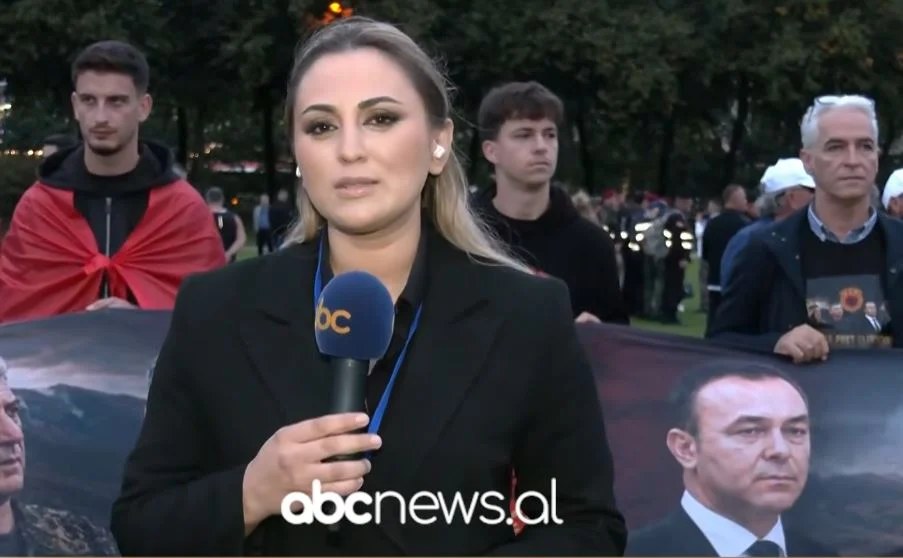
THE HAGUE/TIRANA/WASHINGTON D.C. – September 15, 2026 – A palpable tension gripped the Western Balkans today as the proceedings at the Kosovo Specialist Chambers in The Hague entered a critical phase, drawing an unprecedented surge of support from the Albanian diaspora. This developing story, a central focus of ABC News’ "Breaking News with Habi Hoxha" at 21:20 CET, unfolded against a backdrop of other significant global events, including fresh allegations surrounding the wedding of the American President’s son and a major disruption to European oil supplies following a pipeline attack in Saudi Arabia.
The emotional and political stakes in The Hague are at an all-time high, with former leaders and commanders of the Kosovo Liberation Army (KLA), including Hashim Thaçi, facing charges of war crimes and crimes against humanity. As the trials progress, the Albanian diaspora has mobilized on a scale rarely seen, converging on the Netherlands to express solidarity and demand justice for what they view as a legitimate struggle for liberation.
Adding to the day’s complex news cycle, a poll conducted by ABC News regarding "punches in protest" suggests heightened public frustration and potential for unrest, likely linked to the ongoing trials and the passionate demonstrations.
A Nation Holds its Breath: KLA Trials Reach Critical Juncture in The Hague
The eyes of the Albanian world are fixed firmly on The Hague, where the Kosovo Specialist Chambers continues its highly sensitive and politically charged trials. Today’s session, though not publicly detailed, is understood to be a pivotal moment, influencing both the legal outcomes and the broader narrative of Kosovo’s independence struggle. ABC News’ Habi Hoxha provided an in-depth analysis, highlighting the intricate legal battles and the immense public sentiment surrounding the accused.
The trials, established to investigate crimes allegedly committed during and after the 1998-1999 Kosovo War, have been a source of deep division. While proponents emphasize the need for accountability and justice for victims, many Kosovars view the proceedings as an attempt to rewrite history and criminalize their fight for freedom against Serbian oppression. This sentiment has fueled a powerful movement of support, culminating in the current mass mobilization of the Albanian diaspora.
Unprecedented Diaspora Mobilization
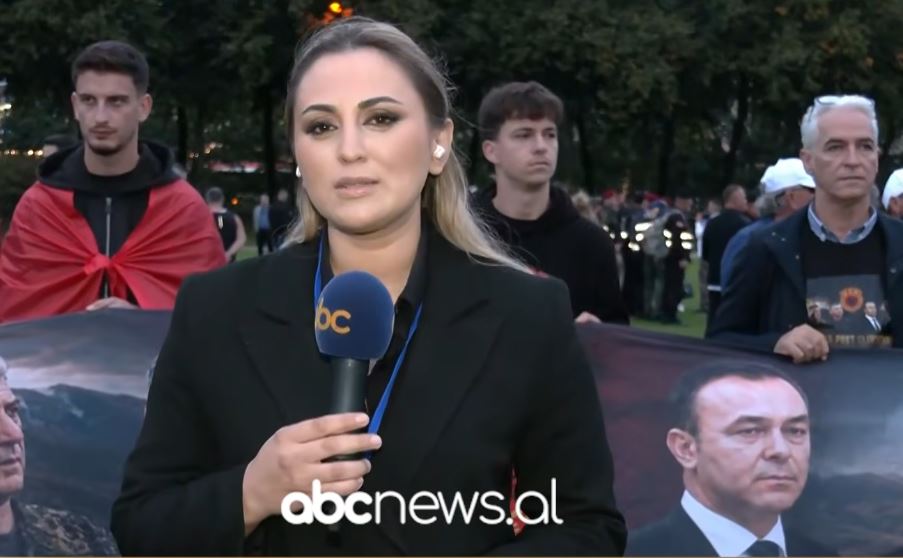
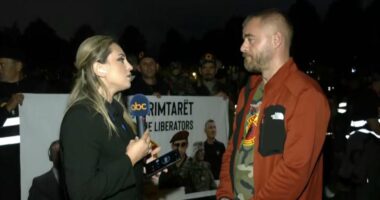
Reports from various sources confirm a remarkable influx of Albanian diaspora members into The Hague. Commenting on the situation, analyst Tasholli stated, "The diaspora is near Kosovo; the former liberators are not alone. Hundreds of Albanians have come from European countries." This statement underscores the deep connection the diaspora feels to the KLA’s legacy and the fate of its leaders.

Further corroborating these reports, Xhafa, an observer on the ground, noted, "Kosovo has proven they are innocent. Many Albanians from Switzerland are expected to arrive…" Switzerland, home to one of the largest Albanian diasporas, has been a significant hub for organizing this wave of solidarity. Participants, many wearing national symbols and carrying flags, expressed a collective determination to ensure that the historical context of their struggle is not overshadowed by the charges. Their presence is not merely symbolic; it serves as a powerful reminder of the deep-seated belief that the accused are heroes, not criminals.
Political and Public Sentiment Echoes Across Borders
The political and public reactions to the trials have been intense and widespread. From The Hague, prominent political figure Hoxhaj delivered a poignant message: "Tomorrow, history decides justice for the liberators!" This statement encapsulates the profound hope among many that the trials will ultimately affirm the legitimacy of the KLA’s actions and the justice of Kosovo’s cause.
Similarly, Lushtaku, a former KLA commander and now a public figure, articulated the broader implications of the proceedings: "Not only the KLA is being judged, but also our freedom." This perspective frames the trials as an assault on Kosovo’s very identity and its hard-won independence, resonating deeply with a population that views the KLA as foundational to their statehood.

The ABC News poll, asking "Punches in protest, do they mark its end?", offers a glimpse into the raw emotions simmering beneath the surface. While the context of these "punches" is not explicitly detailed, it strongly suggests instances of confrontation or heightened tensions during recent demonstrations related to the trials. The question itself implies a concern over the sustainability or direction of such protests, highlighting the fragility of public order amidst such intense national sentiment. The outcome of the poll, still "Loading…", will likely reflect the deeply divided opinions on the nature and future of these public expressions of solidarity.
Global Ripples: International Developments Unfold
While the focus on The Hague dominated Albanian news, the international landscape presented its own set of high-stakes "breaking news" stories, indicative of a turbulent global environment.
Trump Jr. Responds to Russian Oligarch Wedding Allegations
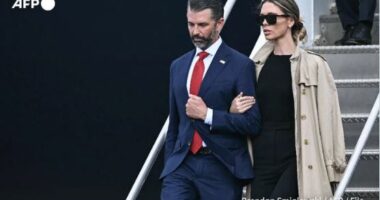
At 21:20 CET, simultaneous with the KLA trial updates, ABC News reported on explosive allegations questioning the funding of the American President’s son’s wedding. The report indicated that a prominent Russian oligarch was alleged to have financially contributed to the lavish event. These claims immediately triggered a firestorm in Washington D.C., reviving debates about foreign influence in American politics and the complex relationship between the US and Russia.

Donald Trump Jr. swiftly issued a vehement denial, characterizing the allegations as politically motivated smears designed to undermine his father’s administration. In a statement released through his representatives, he asserted that all wedding expenses were meticulously documented and transparent, funded through legitimate personal and family resources, and any suggestion of illicit foreign funding was "a baseless fabrication intended to distract from real issues." This development is expected to ignite further investigations and political maneuvering in the coming days, adding another layer of scrutiny to an already contentious political climate in the United States.
Saudi Arabia Cuts Oil Exports to Europe Amid Pipeline Attack
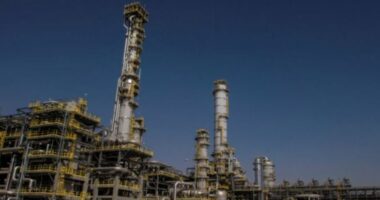
Just minutes earlier, at 21:17 CET, another critical international incident unfolded: Saudi Arabia announced a significant reduction in oil exports to Europe following a "targeted attack" on a major pipeline. While details of the attack remained scarce, initial reports suggested a sophisticated act of sabotage impacting a key artery for crude oil transport. The specific pipeline affected was not immediately identified, but experts quickly pointed to the potential for severe disruptions to global energy markets.
The Saudi Ministry of Energy confirmed the incident, stating that emergency response teams were deployed to assess the damage and initiate repairs. The government condemned the attack as an act of "economic terrorism" and vowed to bring the perpetrators to justice. The decision to reduce exports to Europe specifically was attributed to a need to re-route supplies to prioritize domestic consumption and maintain stability in other key markets while repairs are underway. This move immediately sent jitters through European capitals, already grappling with energy security concerns, and is expected to drive up oil prices, potentially impacting inflation and economic stability across the continent. Investigations are reportedly underway to determine the group responsible for the attack, with geopolitical tensions in the region likely to escalate.

Chronology of Events
The confluence of these major news stories on September 15, 2026, reflects a dynamic and often volatile international environment.
The Hague Specialist Chambers: A Troubled Genesis
The Kosovo Specialist Chambers (KSC) and Specialist Prosecutor’s Office (SPO) were established in 2015, following a report by Council of Europe rapporteur Dick Marty alleging widespread organ trafficking and other crimes during and after the Kosovo War. Operating under Kosovar law but staffed by international judges and prosecutors and located in The Hague, the KSC has faced criticism from its inception. Many Kosovars view it as biased, arguing it disproportionately targets former KLA members while largely ignoring Serbian atrocities.
The indictments of key KLA figures, including former President Hashim Thaçi, former Parliament Speaker Kadri Veseli, and other prominent commanders, began in 2020. Their transfers to The Hague marked a somber moment for Kosovo, triggering widespread public outcry and fueling the narrative that the trials were an injustice. The proceedings have been slow, complex, and emotionally draining for all parties involved, including the victims and their families.

Escalation of Support and Protests
The current wave of diaspora mobilization is the latest in a series of demonstrations and expressions of support that have accompanied the KSC trials. Since the initial indictments, rallies have been organized in various European cities and beyond, reflecting a deep-seated belief in the innocence of the accused and the justness of the KLA’s cause.
The "punches in protest" mentioned in the ABC News poll likely refer to specific incidents of clashes or heightened emotions during recent demonstrations. These could range from altercations with opposing groups, clashes with security forces, or intense internal debates among protesters. Such incidents highlight the passionate nature of the support and the potential for these gatherings to turn volatile, especially as the trials reach their most sensitive stages. The events of September 15, 2026, with hundreds arriving, signify a peak in this ongoing saga of solidarity, aiming to exert moral and political pressure on the international court.
Supporting Data and Expert Analysis
Understanding the context behind these breaking stories requires an examination of various factors, from the power of the diaspora to the complexities of international law and global energy politics.
Diaspora’s Economic and Political Clout
The Albanian diaspora is estimated to number several million worldwide, with significant concentrations in Western Europe (Germany, Switzerland, Italy, UK) and North America. Their economic impact is substantial, with remittances forming a crucial part of Kosovo’s GDP. Politically, they represent a powerful lobby, actively engaging in advocacy for Kosovo’s interests on the international stage. Their organized presence in The Hague is a testament to their enduring influence and their ability to mobilize resources and people for causes they deem critical to their national identity. Experts suggest that such large-scale mobilizations are not merely symbolic; they aim to sway international opinion, energize domestic political discourse, and provide moral support that can be crucial for the defendants.
Legal Arguments and Defense Strategies
The defense teams for the KLA figures at The Hague have consistently argued that the KSC’s mandate is inherently flawed and that the prosecution is attempting to criminalize a legitimate war of liberation. Key defense strategies involve:
- Challenging Jurisdiction and Mandate: Arguing that the court’s establishment and scope are politically motivated.
- Context of Conflict: Emphasizing the brutal nature of Serbian aggression and the KLA’s role in defending the civilian population.
- Lack of Command Responsibility: Disputing the chain of command and the direct involvement of the accused in alleged crimes.
- Witness Credibility: Challenging the reliability of prosecution witnesses, many of whom are protected.
The prosecution, conversely, focuses on individual criminal responsibility, asserting that regardless of the broader conflict, specific acts of violence against civilians or non-combatants constitute war crimes and must be prosecuted.
Geopolitical Energy Landscape
The attack on the Saudi oil pipeline comes at a precarious time for global energy markets. Europe, in particular, has been striving to diversify its energy sources and reduce reliance on single suppliers. Any disruption from a major producer like Saudi Arabia, even if temporary, can have a ripple effect. The incident highlights the vulnerability of critical energy infrastructure to geopolitical tensions and non-state actors. Analysts fear that sustained disruptions could trigger a global oil price surge, impacting inflation, industrial output, and household budgets worldwide. The immediate reduction in exports to Europe could also strain diplomatic relations, pushing European nations to intensify their search for alternative, more secure energy partnerships.
Official Responses and Statements
The gravity of these events has elicited strong reactions from various official bodies and governments.
Kosovo Government’s Stance
The government of Kosovo, while respecting the independence of the Specialist Chambers, has consistently expressed its unwavering support for the KLA veterans and leaders on trial. Official statements have called for fair and impartial trials, emphasizing the presumption of innocence and acknowledging the KLA’s foundational role in Kosovo’s independence. The government has also provided legal aid and logistical support to the families of the accused, reiterating the national commitment to safeguarding the legacy of the liberation struggle. However, they also face the delicate task of balancing national sentiment with international legal obligations and the need to maintain good relations with Western allies who support the KSC’s mandate.
International Community’s View
The international community, particularly the European Union and the United States, has largely supported the establishment and work of the Kosovo Specialist Chambers. They view it as a crucial mechanism for upholding the rule of law, ensuring accountability for alleged war crimes, and fostering reconciliation in the Western Balkans. Statements from these bodies typically emphasize the KSC’s role in delivering justice for victims, regardless of ethnicity or political affiliation. While acknowledging the painful historical context, they maintain that individual criminal responsibility must be addressed to ensure lasting peace and stability in the region. There are also concerns that any widespread unrest or political interference could undermine the credibility of the judicial process.
Saudi and European Responses to Oil Crisis
In the wake of the pipeline attack, the Saudi government has initiated a high-level investigation, promising transparency and swift action. Energy officials have assured global markets that Saudi Arabia possesses sufficient reserves and alternative routes to mitigate long-term supply shocks, though immediate disruptions are unavoidable. Calls for international cooperation in combating "terrorism" against critical infrastructure have also been made.
European leaders, in response, have convened emergency meetings to assess the impact on energy security. Statements from Brussels and individual member states have condemned the attack and called for an immediate restoration of supplies. Efforts are being intensified to explore alternative oil suppliers and accelerate renewable energy initiatives, highlighting the urgent need for greater energy independence. The incident serves as a stark reminder of Europe’s persistent vulnerabilities in its energy supply chain.
Broader Implications
The unfolding events carry profound implications for regional stability, international justice, and global geopolitics.
Impact on Kosovo’s Future and Regional Stability
The outcomes of the KSC trials will undoubtedly shape Kosovo’s political landscape and its relationship with Serbia and the international community for years to come. A verdict of guilty for prominent KLA figures could ignite widespread protests, deepen political divisions within Kosovo, and potentially destabilize an already fragile region. It could also fuel a narrative of victimhood and perceived injustice, complicating efforts towards reconciliation with Serbia. Conversely, acquittals, while celebrated by many Kosovars, might be viewed critically by some international observers and victims’ groups, raising questions about the court’s effectiveness. The poll about protest violence underscores the risk of public frustration boiling over, threatening social cohesion and potentially leading to confrontational actions that could further damage Kosovo’s international standing.
The Evolving Landscape of International Justice
The KSC trials represent a crucial test for the concept of international justice in post-conflict societies. They highlight the enduring challenges of prosecuting historical conflicts, balancing the demands for accountability with national narratives of liberation and self-determination. The proceedings continue to spark debate about the impartiality of international courts, the methodologies of evidence collection in complex conflict zones, and the long-term impact of such trials on national reconciliation and state-building. The legitimacy and effectiveness of international judicial mechanisms are under constant scrutiny, and the KSC’s eventual conclusions will undoubtedly contribute to the ongoing evolution of this field.
Global Political and Economic Fallout
The international stories breaking today also carry significant weight. The allegations against the American President’s son, regardless of their veracity, contribute to an environment of political distrust and could further polarize public discourse in the US, potentially impacting upcoming elections or legislative agendas. The Saudi oil pipeline attack, on the other hand, has immediate and tangible economic consequences, threatening to exacerbate global inflation, slow economic growth, and add to the cost-of-living crisis already affecting millions. It also reignites geopolitical concerns about energy security and the stability of critical regions, potentially leading to increased military presence or diplomatic maneuvering to safeguard global supply lines. Together, these events underscore a period of heightened uncertainty and complex interdependencies across the globe.