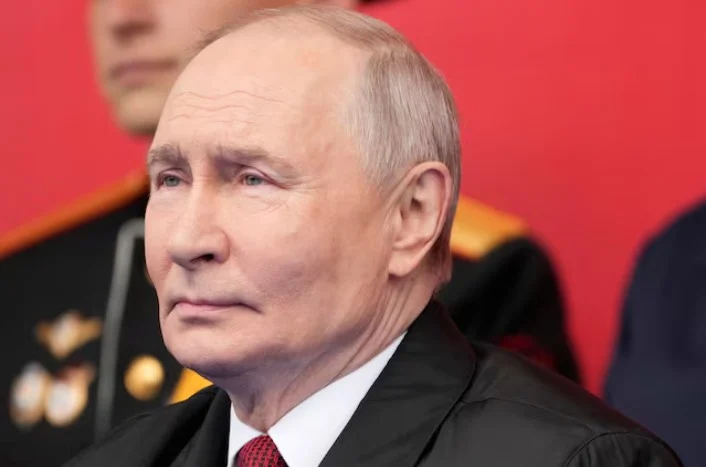
Moscow and Beijing prepare for a highly anticipated state visit by Russian President Vladimir Putin to China, an event poised to underscore the deepening strategic alliance between the two geopolitical giants. Confirmed by the Kremlin as "very soon" and with preparations already complete, the trip signals a potent reaffirmation of the "no-limits" partnership forged just weeks before Russia’s full-scale invasion of Ukraine in February 2022. This upcoming engagement, marking yet another face-to-face meeting between Presidents Putin and Xi Jinping, will be scrutinized globally for its potential ramifications on the ongoing conflict in Ukraine, the evolving world order, and the challenges to Western hegemony.
Main Facts
Russian President Vladimir Putin is slated to visit China in the near future, a trip the Kremlin describes as imminent, with all logistical and diplomatic preparations finalized. The announcement, conveyed by Kremlin spokesman Dmitry Peskov, highlights the urgency and strategic importance Moscow places on this high-level dialogue. This visit follows Putin’s recent re-election and inauguration, framing it as one of his first significant international engagements in his new term, thereby signaling the paramount importance of the Sino-Russian relationship in Russia’s foreign policy agenda.
The forthcoming meeting between President Putin and Chinese President Xi Jinping is not merely a routine diplomatic exchange but a powerful symbol of their enduring personal rapport and their nations’ converging strategic interests. The two leaders have cultivated a remarkably close relationship over the years, having met more than 40 times, a testament to the depth of their political and personal ties. Their last encounter took place in Beijing last September, where they continued discussions on a wide array of bilateral and international issues.
At the core of this formidable alliance is the "no-limits" strategic partnership agreement signed in February 2022. This landmark declaration, formalized during Putin’s visit to Beijing for the Winter Olympics, articulated a shared vision for a new global order, explicitly challenging the prevailing Western-dominated international system. Crucially, this agreement preceded Russia’s military operation in Ukraine by less than three weeks, imbuing it with significant geopolitical weight and drawing intense scrutiny from Western capitals. The upcoming visit is expected to reinforce this partnership, potentially leading to new agreements and coordinated strategies aimed at navigating an increasingly turbulent international landscape.
Chronology
The relationship between Russia and China has undergone significant transformations, evolving from periods of ideological alignment and strategic rivalry to the current era of robust cooperation. Understanding this historical trajectory is crucial to grasping the depth and implications of the contemporary "no-limits" partnership.
Early Sino-Russian Relations
The foundations of modern Sino-Russian relations can be traced back to the Soviet era, characterized by an initial period of strong ideological camaraderie under communism, particularly in the immediate post-WWII period and the early years of the People’s Republic of China. However, this alliance fractured dramatically in the 1960s due to ideological differences and geopolitical rivalries, leading to the Sino-Soviet split. For decades, the two nations were wary adversaries, even engaging in border skirmishes. The rapprochement began in the late 1980s, culminating in the normalization of relations in 1989.
Putin’s Rise and Early Engagements
Upon Vladimir Putin’s ascent to power in Russia in 2000, and particularly following China’s rise as an economic powerhouse, the relationship began to flourish. Both nations, increasingly wary of perceived U.S. unipolar dominance and NATO expansion, found common ground in advocating for a multipolar world order. Regular high-level exchanges, joint military exercises, and cooperation within multilateral frameworks like the Shanghai Cooperation Organization (SCO) and later BRICS (Brazil, Russia, India, China, South Africa) became hallmarks of this growing partnership. Economic ties, especially in energy and arms trade, steadily increased, laying the groundwork for deeper strategic alignment.
The "No-Limits" Partnership
A pivotal moment arrived on February 4, 2022, when Presidents Putin and Xi Jinping issued a 5,000-word joint statement in Beijing, famously declaring a "no-limits" or "no-forbidden-zones" partnership. This comprehensive declaration articulated a shared vision for global governance, explicitly opposing "further enlargement of NATO" and calling for a rejection of "Cold War approaches." It underscored their commitment to democracy, human rights, and rule of law, albeit interpreted through their own state-centric lenses, and pledged cooperation across a vast spectrum including economics, finance, energy, technology, and security. The timing of this declaration, just three weeks before Russia launched its full-scale invasion of Ukraine, immediately elevated its geopolitical significance, framing China as Russia’s most crucial strategic partner in challenging the Western-led international order.
Post-Invasion Interactions
Since February 2022, the "no-limits" partnership has been tested and, from Moscow and Beijing’s perspective, reinforced. China has steadfastly refused to condemn Russia’s actions in Ukraine, instead offering diplomatic backing and economic lifelines. High-level meetings have continued unabated, demonstrating the resilience of their bond in the face of intense international pressure.
- September 2022 (SCO Summit, Samarkand): Putin and Xi met on the sidelines of the SCO summit, reaffirming their commitment to a multipolar world and discussing the Ukraine conflict, with Xi expressing "concerns" but maintaining support for Russia.
- March 2023 (Xi’s State Visit to Moscow): Chinese President Xi Jinping undertook a high-profile state visit to Moscow, his first trip abroad after securing an unprecedented third term. This visit was widely seen as a major show of solidarity with Putin, defying Western calls for isolation. The two leaders signed numerous agreements, further solidifying economic and political ties, and reiterated their shared vision for global governance. Xi also presented a 12-point peace plan for Ukraine, which was largely seen as favorable to Russia.
- October 2023 (Belt and Road Forum, Beijing): President Putin visited Beijing for the third Belt and Road Forum, where he held extensive talks with Xi Jinping. This meeting, referred to in the original article as "last September" (likely a slight date discrepancy or referring to another meeting around that time), further deepened their coordination on global issues and economic cooperation, particularly concerning energy and infrastructure projects.
- Recent Preparations and Announcements: The current announcement of Putin’s "very soon" visit follows a series of high-level diplomatic exchanges, including Russian Foreign Minister Sergei Lavrov’s visit to Beijing in April 2024, where he met with his Chinese counterpart Wang Yi and President Xi. These preparatory talks likely finalized the agenda and specific outcomes expected from Putin’s upcoming trip, cementing the narrative of a tightly coordinated and strategically aligned alliance.
Supporting Data
The "no-limits" partnership is not merely a rhetorical flourish; it is underpinned by substantial economic, military, and diplomatic cooperation, all of which have intensified significantly since the Ukraine war.
Economic Ties
Economic relations between Russia and China have become a crucial pillar of their strategic alliance, particularly in the context of Western sanctions against Moscow. Trade volumes have surged, providing Russia with vital revenue streams and alternative markets, while China benefits from discounted energy supplies and a reliable partner in challenging Western economic dominance.
- Trade Volume Growth: In 2023, bilateral trade reached a record $240 billion, exceeding the initial target of $200 billion set for 2024. This represents a substantial increase from previous years, with Chinese exports to Russia growing by over 40% and Russian exports to China increasing by over 12%.
- Energy Exports: Russia has significantly reoriented its energy exports towards China, becoming China’s top crude oil supplier and a major natural gas provider. The Power of Siberia 1 pipeline is operating at full capacity, and discussions are ongoing for the ambitious Power of Siberia 2 project, which would significantly increase gas deliveries to China via Mongolia. This shift is critical for Russia, mitigating the impact of lost European markets, and for China, enhancing its energy security.
- Agriculture and Raw Materials: Russia’s agricultural exports to China have also seen substantial growth, with China emerging as a key market for Russian grains, meat, and other foodstuffs. Furthermore, Russia supplies China with various raw materials crucial for its industrial base.
- Technology and Dual-Use Goods: China has become a critical supplier of consumer goods, machinery, and, controversially, dual-use technologies to Russia. While Beijing denies providing lethal aid, Western intelligence agencies and governments have expressed concern over the flow of components, microelectronics, and other technologies that could be used in Russia’s military production, helping Moscow circumvent Western sanctions. Chinese companies like Huawei and Xiaomi continue to operate in Russia, filling the vacuum left by Western firms.
- Financial Cooperation: Both nations are actively working to de-dollarize their trade, increasingly using their national currencies (ruble and yuan) for transactions. This effort aims to reduce their vulnerability to Western financial sanctions and bolster the international standing of their respective currencies.
Military and Security Cooperation
Beyond economic interdependence, Russia and China share deep military and security cooperation, driven by mutual concerns over perceived threats from the West, particularly the United States and NATO.
- Joint Military Exercises: The two countries regularly conduct joint military exercises, often involving land, air, and naval forces. These drills, such as the "Vostok" exercises, demonstrate interoperability and strategic coordination, sending a clear message about their combined military capabilities. These exercises are often described as defensive but are clearly aimed at projecting power and deterring potential adversaries.
- Arms Sales and Technology Transfer: While details are often opaque, Russia has historically been a significant supplier of advanced military hardware to China. While China’s domestic defense industry has grown considerably, technology sharing and joint development projects remain an area of cooperation.
- Shared Security Concerns: Both nations view NATO expansion, U.S. military presence in Asia, and the formation of security alliances like AUKUS (Australia, UK, US) as direct threats to their national security and regional stability. They coordinate their positions on various security challenges, including cybersecurity and counter-terrorism.
- Multilateral Security Frameworks: Within the Shanghai Cooperation Organization (SCO), Russia and China are key players, using the platform to enhance regional security cooperation, conduct joint military drills, and coordinate counter-terrorism efforts.
Diplomatic Alignment
The diplomatic alignment between Russia and China extends to almost every major international issue, characterized by a shared critique of Western hegemony and a vision for a more "just" multipolar world order.
- UN Security Council: Both nations frequently coordinate their positions and often vote in tandem at the UN Security Council, particularly on resolutions related to humanitarian interventions, sanctions, and regional conflicts. They often veto or abstain from resolutions critical of their allies or their own actions, effectively blunting Western diplomatic efforts.
- Multipolar World Order: A cornerstone of their diplomatic rhetoric is the advocacy for a multipolar international system, where power is distributed among several major poles rather than being concentrated in a single superpower (i.e., the United States). They view their partnership as a crucial step towards achieving this vision.
- Criticism of Western Hegemony: Both Moscow and Beijing are vocal critics of what they perceive as Western interference in the internal affairs of sovereign states, the imposition of unilateral sanctions, and the promotion of a "rules-based international order" that they argue serves primarily Western interests.
- China’s "Neutrality" on Ukraine: While China maintains a public stance of neutrality regarding the Ukraine conflict, its actions and diplomatic rhetoric consistently favor Russia. Beijing has blamed NATO expansion for the conflict, refused to join Western sanctions, and amplified Russian narratives in international forums. Its "peace plan" for Ukraine, while ostensibly neutral, includes provisions that would effectively freeze the conflict, benefiting Russia.
Personal Chemistry
The frequency of meetings—over 40 times—between Vladimir Putin and Xi Jinping speaks volumes about the personal relationship between the two leaders. Both are strong, authoritarian figures who have consolidated power within their respective countries and share a similar worldview regarding state sovereignty, national interests, and the challenges posed by liberal democracies. This personal bond allows for frank discussions and strategic coordination at the highest levels, adding an unquantifiable but significant dimension to the "no-limits" partnership. They often refer to each other as "dear friends," a rarity in international diplomacy, signifying a level of trust and strategic understanding that transcends mere diplomatic protocol.
Official Responses
The impending visit has elicited carefully crafted statements from Moscow and Beijing, alongside varied reactions from the international community.
Kremlin’s Stance
Dmitry Peskov’s confirmation of the "very soon" visit underscores the high priority Russia places on its relationship with China. From Moscow’s perspective, the visit serves multiple critical objectives:
- Strengthening Strategic Partnership: The primary goal is to further solidify the "no-limits" strategic partnership, sending a clear message to the West that Russia is not isolated despite sanctions and that its pivot to Asia is irreversible and robust.
- Economic Cooperation: Discussions will undoubtedly focus on expanding trade, energy cooperation (including the potential Power of Siberia 2 pipeline), and mitigating the impact of Western sanctions. Russia seeks to deepen China’s role as a market for its resources and a source of crucial manufactured goods and technology.
- Coordination on Foreign Policy: The leaders will coordinate their positions on pressing international issues, including the Ukraine conflict, regional security in Central Asia and the Indo-Pacific, and reform of global governance institutions. Moscow seeks China’s continued diplomatic backing and a united front against Western pressure.
- Show of Resilience: The visit, especially so soon after Putin’s inauguration, is intended to project an image of stability and strength, demonstrating that Russia’s international standing remains firm through its strategic alliances.
Beijing’s Perspective
Beijing’s official responses generally echo the sentiment of a strong, mutually beneficial relationship. Chinese Foreign Ministry spokespersons have consistently highlighted the "strategic significance" and "comprehensive nature" of Sino-Russian ties.
- Promoting Bilateral Ties: China views the visit as an opportunity to further deepen its comprehensive strategic partnership with Russia, which it considers vital for its own national development and security interests.
- Regional Stability and Global Governance: Beijing often frames its cooperation with Russia in terms of promoting regional peace and stability, and advancing a more equitable and multipolar global governance system. It sees Russia as a key partner in reforming existing international institutions and advocating for a global order that better reflects the interests of developing nations.
- Maintaining "Neutrality" on Ukraine: While implicitly supporting Russia, China will likely reiterate its "neutral" stance on the Ukraine war and its commitment to a "political settlement," though without any explicit criticism of Moscow. Beijing’s "peace plan" offers a framework for such discussions, even if it has gained little traction in Kyiv or Western capitals.
- Economic Mutual Benefit: China also benefits immensely from discounted Russian energy and raw materials, and views Russia as a critical component of its Belt and Road Initiative in Eurasia. The visit will seek to solidify these economic advantages.
International Reactions
The deepening Sino-Russian alliance, especially evident in Putin’s upcoming visit, elicits significant concern and scrutiny from various international actors.
- Western Allies: The United States, European Union, and United Kingdom view the growing partnership with alarm. They interpret it as a direct challenge to the rules-based international order, a lifeline for Russia’s war economy, and a potential precursor to increased global instability.
- United States: Washington has repeatedly warned China against providing material support to Russia, particularly lethal aid. U.S. officials, including Secretary of State Antony Blinken, have expressed concerns that Chinese companies are supplying dual-use technologies that bolster Russia’s defense industrial base. The visit will likely be seen as further evidence of China’s alignment with Russia and could trigger renewed calls for secondary sanctions or other punitive measures.
- European Union: EU leaders have also urged China to use its influence to press Russia for a peaceful resolution in Ukraine. They are particularly wary of any Chinese actions that could undermine the effectiveness of EU sanctions against Russia. The visit will be watched closely for any signs of enhanced military or technological cooperation that could prolong the conflict.
- NATO: The transatlantic alliance views the Sino-Russian partnership as a significant geopolitical challenge, highlighting their shared anti-Western agenda and their coordinated efforts to undermine democratic values and institutions globally.
- Other Regional Powers:
- Central Asian States: Countries like Kazakhstan, Uzbekistan, and Tajikistan, which border both Russia and China, navigate a delicate balance. While they maintain strong economic ties with both, they are wary of being caught in the geopolitical rivalry and closely monitor any developments that could affect their sovereignty or regional stability.
- India: As a fellow BRICS member and a major defense partner of Russia, India maintains its strategic autonomy. While it continues to engage with Russia, it also seeks to balance its relationship with the West and is wary of a complete Sino-Russian geopolitical dominance in Eurasia.
- Japan and South Korea: These U.S. allies in East Asia view the deepening Sino-Russian ties with concern, particularly in the context of regional security challenges posed by China and North Korea.
- Global South: Many countries in the Global South, while not necessarily endorsing Russia’s actions, often view the Sino-Russian partnership through the lens of challenging Western dominance. They may see it as an alternative model for international relations, less tethered to Western conditionalities and values.
Implications
The upcoming visit by President Putin to China carries profound implications, not only for the two nations themselves but also for the trajectory of the Ukraine war and the broader global geopolitical landscape.
For the Ukraine War
The visit will undoubtedly be seen as a strong message of continued solidarity from Beijing to Moscow, providing a significant boost to Russia amidst the ongoing conflict.
- Sustained Economic Lifeline: The discussions are expected to further entrench China’s role as Russia’s primary economic partner, ensuring Moscow’s continued access to vital markets, technology, and goods, thereby mitigating the impact of Western sanctions and sustaining its war effort. Any new agreements on energy, trade, or financial mechanisms will reinforce this lifeline.
- Diplomatic Shield: China’s unwavering diplomatic support provides Russia with a powerful international ally, particularly within multilateral institutions like the UN. This visit will reinforce China’s resistance to Western pressure to isolate Russia and could further complicate efforts to rally global support for Ukraine.
- Indirect Support: While Beijing insists it does not provide lethal aid, the continued flow of dual-use technologies and economic assistance frees up Russian resources and capacity, indirectly bolstering its military capabilities. The visit might include discussions on how to further streamline supply chains to avoid detection by Western surveillance.
- Impact on Western Sanctions: The deeper integration of the Russian and Chinese economies will make Western sanctions increasingly difficult to enforce effectively, as China offers a vast alternative market and supply chain.
For Global Geopolitics
The deepening "no-limits" partnership is a central feature of the evolving global order, accelerating a shift towards a more multipolar world and challenging the U.S.-led system.
- Consolidation of an Anti-Western Bloc: The visit solidifies the perception of a formidable anti-Western bloc, comprising Russia and China, united by a shared vision of an alternative international system and a common opposition to perceived Western hegemony. This alignment could attract other like-minded states, further fragmenting global governance.
- Challenge to the US-led International Order: The two nations are actively working to create parallel institutions and norms that challenge the existing "rules-based order" championed by the West. This includes promoting their own interpretations of democracy, human rights, and sovereignty, and advocating for a greater role for non-Western powers in global decision-making.
- Acceleration of a Multipolar World: The Sino-Russian alliance is a key driver in the transition towards a multipolar world, where geopolitical power is more distributed. This shift will likely lead to increased competition, rivalry, and potentially instability as different power centers vie for influence.
- Impact on Regional Stability: The partnership has implications for various regional flashpoints. In Europe, it prolongs the Ukraine conflict. In Asia, it complicates the security environment, particularly concerning Taiwan and the South China Sea, where China might feel emboldened by Russia’s support.
- Future of International Institutions: The alliance will continue to influence the dynamics within international bodies like the UN, G20, BRICS, and SCO. BRICS, in particular, is being expanded and positioned as an alternative to Western-dominated forums, with Russia and China at its core.
For Bilateral Relations
The visit is expected to result in deeper and broader engagement across all facets of the bilateral relationship.
- Deeper Economic Integration: Expect further agreements on energy, infrastructure (e.g., Power of Siberia 2), agriculture, and technology. The goal will be to make their economies more interdependent and less vulnerable to external pressures.
- Enhanced Political Coordination: The leaders will likely reaffirm their commitment to close political coordination on global and regional issues, presenting a united front in international forums and against perceived Western aggression.
- Long-Term Strategic Alignment: The "no-limits" partnership is not a temporary alliance but a long-term strategic alignment aimed at reshaping the international order. This visit will underscore that commitment, setting the stage for decades of close cooperation.
- Potential for New Agreements: While specific details are yet to emerge, the visit could see the signing of new agreements in areas such as trade, investment, technology transfer, or even security cooperation, further formalizing and expanding their strategic partnership.
The Future of the "No-Limits" Partnership
The "no-limits" moniker, while potent, raises questions about its true boundaries. While China has provided crucial economic and diplomatic support to Russia, it has notably refrained from providing direct lethal military aid, a red line that could trigger severe secondary sanctions from the West and potentially jeopardize China’s own economic interests. The upcoming visit will be a test of whether this partnership truly has no limits, or if pragmatic considerations will continue to define its scope.
Ultimately, the visit represents a powerful demonstration of the resilience and strategic depth of the Sino-Russian alliance. It will reinforce a narrative of mutual support in the face of Western pressure and signal a shared determination to reshape the global order, with profound and lasting consequences for international relations.