The terminal, long the sanctuary of the software engineer, is undergoing a seismic shift. Just twelve months ago, "AI in the terminal" was synonymous with simple copilot-style code suggestions or basic command-line query responses. Today, we have entered the era of the autonomous agentic runtime. In 2026, the Command Line Interface (CLI) has evolved into a sophisticated execution environment capable of traversing massive repositories, architecting multi-step solutions, executing shell commands, and independently verifying the success of its own deployments.
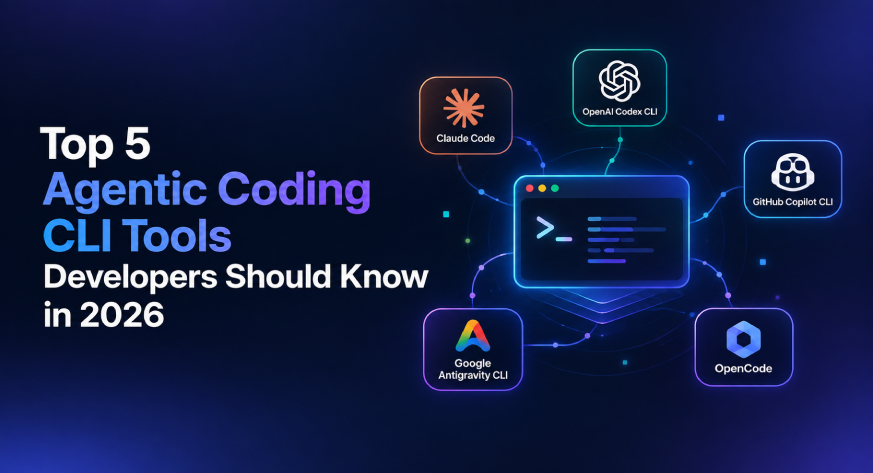
This article provides an exhaustive comparison of the five industry-leading agentic coding CLIs—Claude Code, Codex CLI, GitHub Copilot CLI, Google’s Antigravity CLI, and OpenCode—evaluating them through the lenses of autonomy, tooling, security, cost-efficiency, and real-world engineering impact.
What Defines an Agentic Coding CLI?
To distinguish between a "chatbot" and an "agent," one must look at the execution loop. A traditional AI CLI functions as a passive interface: it receives a prompt, calls an LLM, and prints text.
An Agentic Coding CLI, by contrast, operates on a recursive feedback loop. It functions as a persistent background process that:
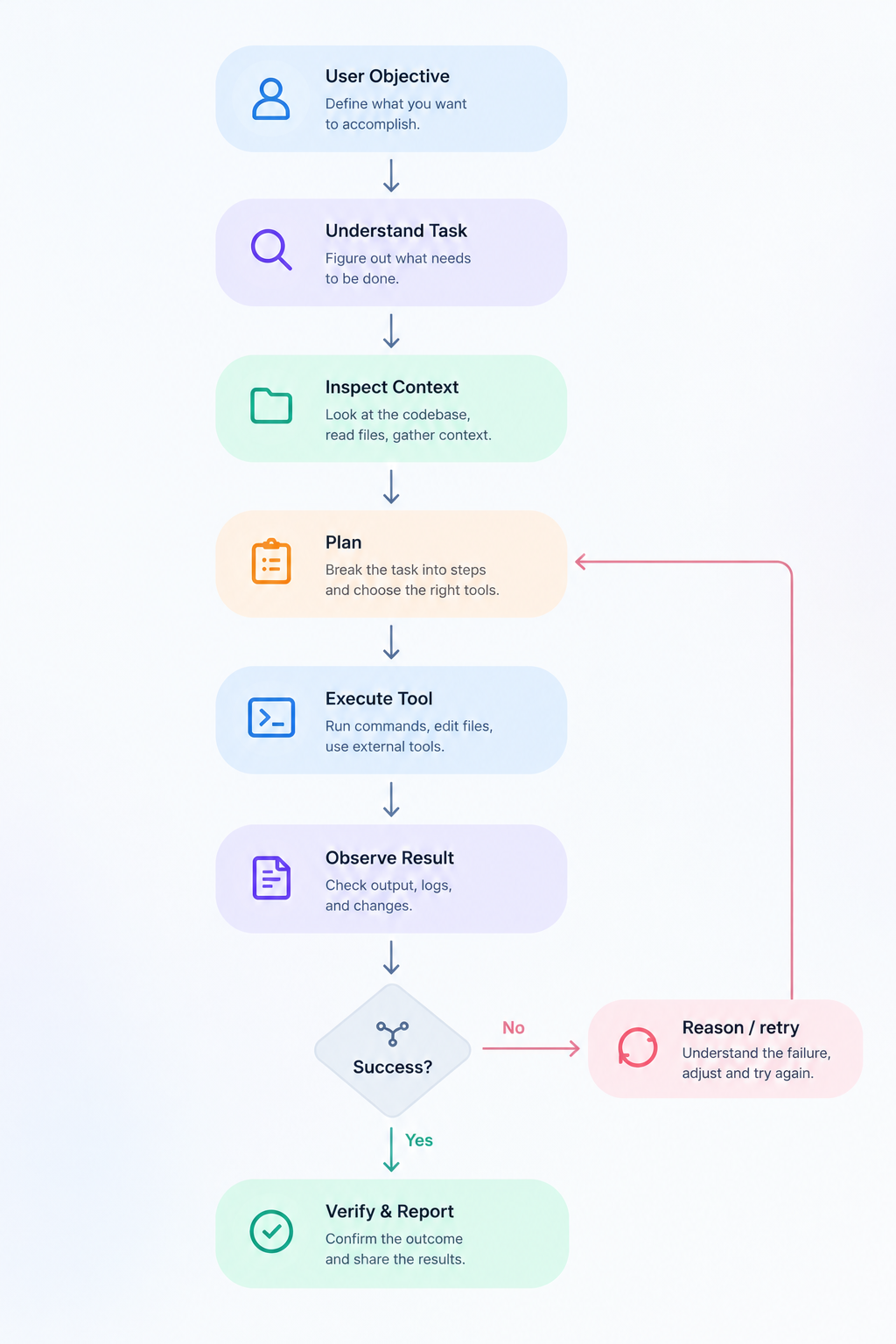
- Analyzes: Inspects repository structures and identifies relevant dependencies.
- Plans: Decomposes high-level instructions into granular sub-tasks.
- Executes: Runs commands (e.g.,
npm test,docker build,git commit). - Observes: Evaluates the output of those commands.
- Iterates: If an error occurs, the agent self-corrects based on the error message, continuing until the task is complete.
This shift is critical because the terminal is the central nervous system of modern development. By granting agents controlled access to the shell—the same environment where Git, Kubernetes, and build systems reside—we have moved from AI that suggests code to AI that engineers software.
1. Claude Code: The Powerhouse of Programmable Autonomy
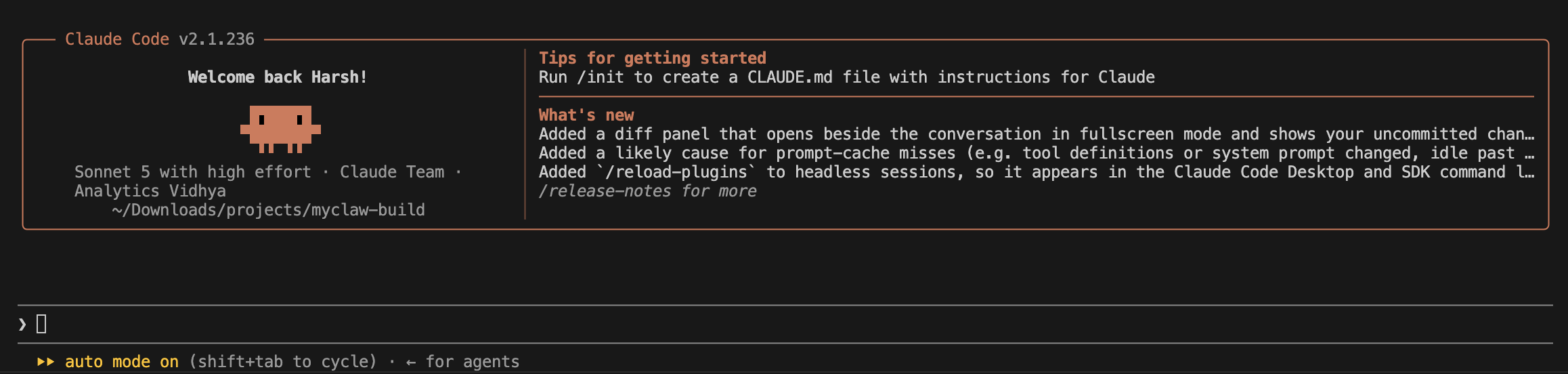
Anthropic’s Claude Code has emerged as the gold standard for developers who prioritize control and deep repository awareness. It is not merely a tool for code generation; it is a full-fledged development partner that understands project structure and adheres to complex Git workflows.
The Workflow Advantage
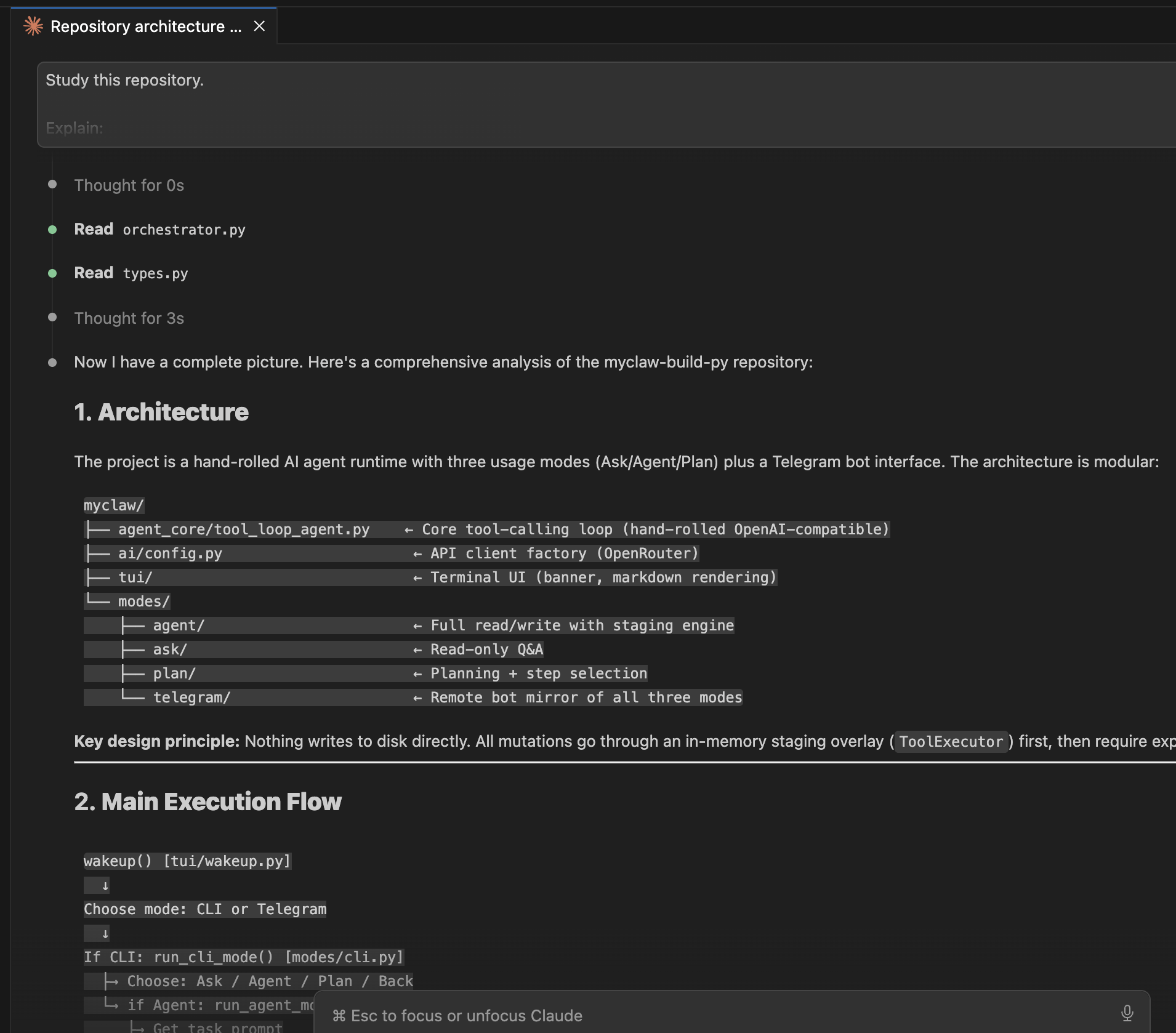
Claude Code excels in its "exploration-first" architecture. By utilizing a natural-language command structure, developers can direct the agent to study a codebase before making a single edit. This separation of investigation from execution drastically reduces the risk of accidental regressions.
Pricing and Accessibility
As of late 2026, Claude Code is bundled into Anthropic’s paid subscription tiers. For individual users, the $20/month plan offers high-tier access, while Team and Enterprise plans utilize a seat-plus-usage model. For organizations, the cost-to-value ratio is compelling, as Claude Code frequently replaces repetitive manual tasks that would otherwise consume developer hours.
2. OpenAI Codex CLI: The Integrated Ecosystem
OpenAI’s Codex CLI is designed for those deeply embedded in the broader ChatGPT and OpenAI ecosystem. Unlike its predecessors, the 2026 iteration of Codex is built as a local agent that prioritizes safety while operating within the developer’s local environment.
Architectural Philosophy
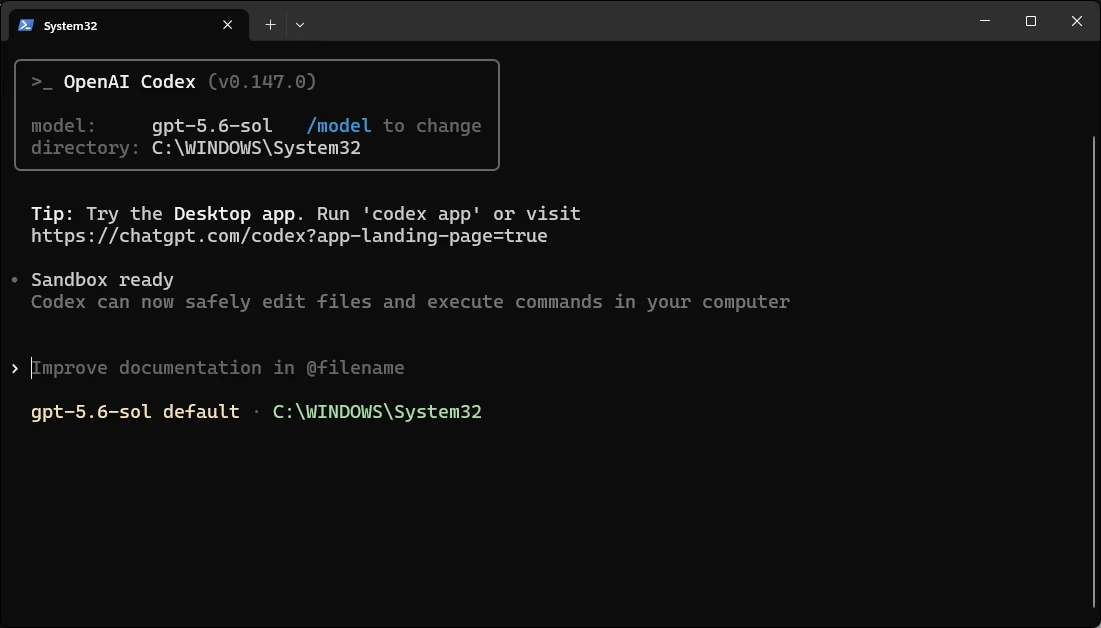
Codex operates on a "safety-first" principle. It is engineered to perform software changes while ensuring that all shell execution occurs within a strictly monitored, user-permitted sandbox. This makes it a favored choice for enterprise environments where security protocols are non-negotiable.
Economic Considerations
Codex is metered primarily by token consumption and model complexity. For technical leadership, this represents a shift in financial modeling: managers must now account for the complexity of the tasks being automated. As the agent performs more background work and parallel agentic reasoning, the "cost per task" becomes the new metric for development efficiency.
3. GitHub Copilot CLI: The Standard for Modern Teams
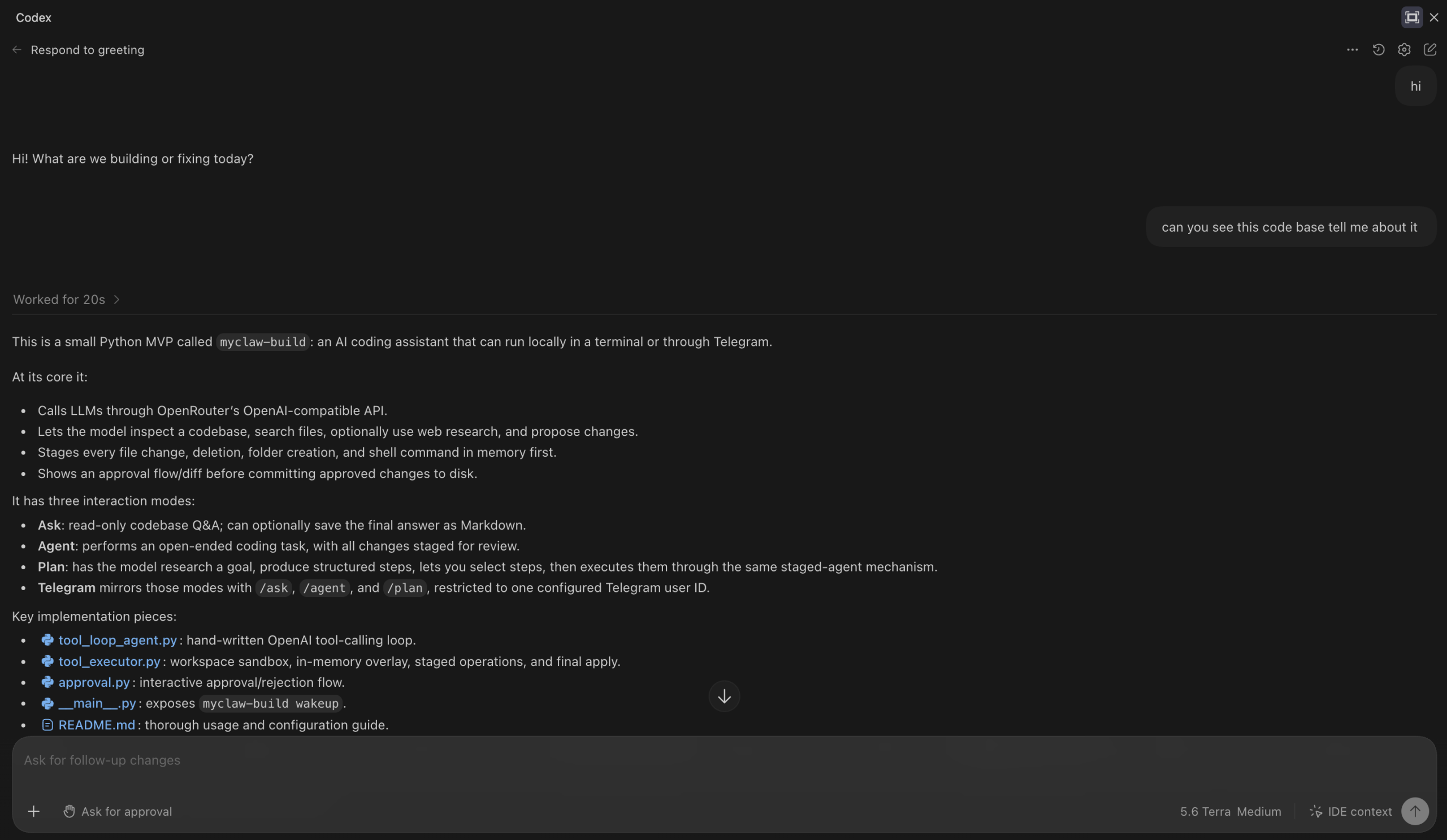
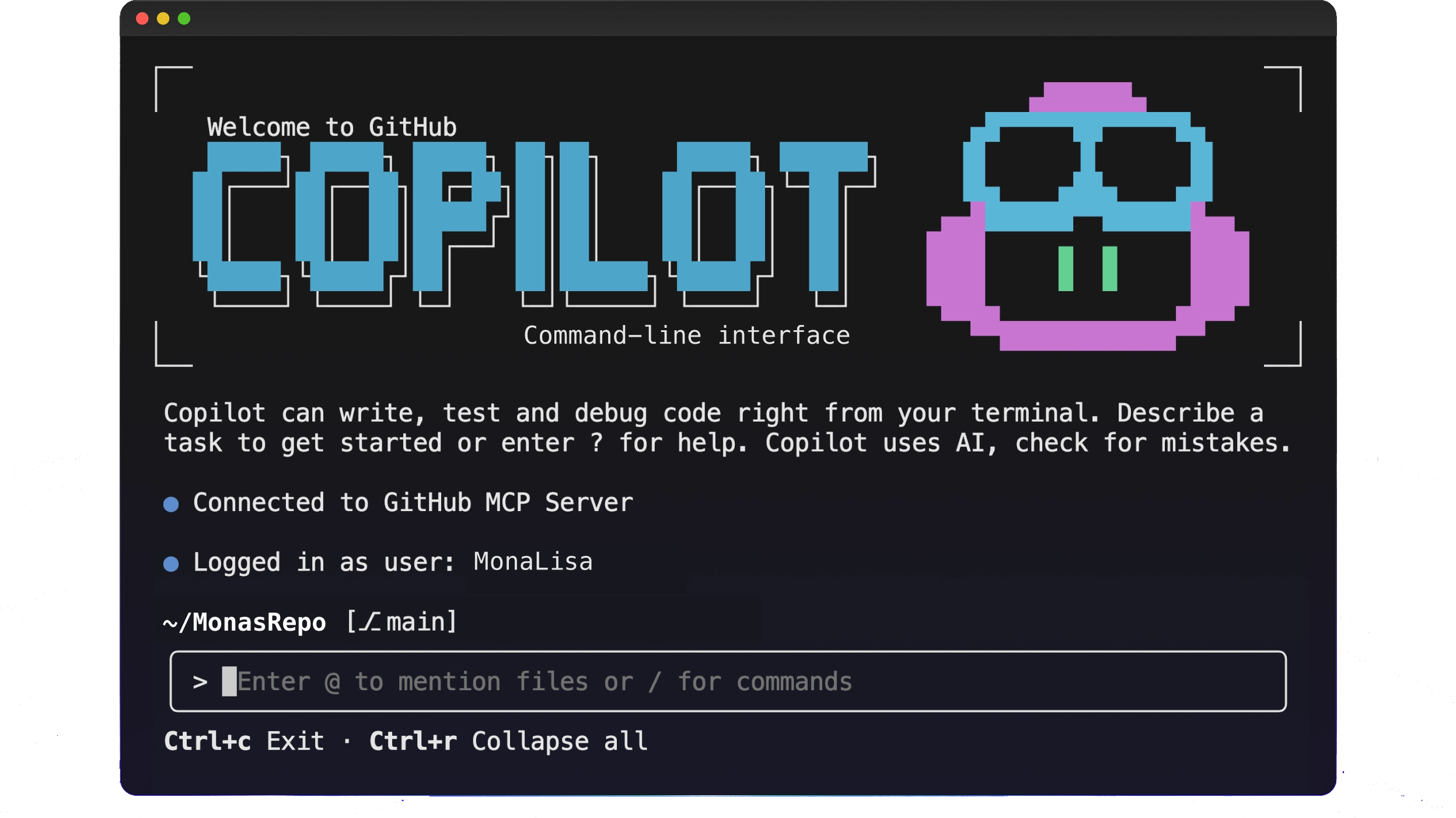
Perhaps the most significant evolution in the space, the GitHub Copilot CLI has moved far beyond its origins as a simple suggestion engine. Since its transition to an autonomous agent in February 2026, it has become the most widely adopted tool for developers already working within the GitHub ecosystem.
Why it Leads
The strength of the Copilot CLI lies in its seamless integration with GitHub’s metadata. Because the agent understands the context of Pull Requests, Issues, and Actions, it can perform end-to-end tasks—such as creating a branch, implementing a feature, writing tests, and opening a PR—without the developer ever leaving the terminal.
Pricing Structure
GitHub has democratized access to this technology by including it in all tiers, including the Free tier. For businesses, the usage is tracked via "GitHub AI Credits," providing a scalable model for organizations to manage AI spend across large engineering departments.
4. Google Antigravity CLI: The New Frontier
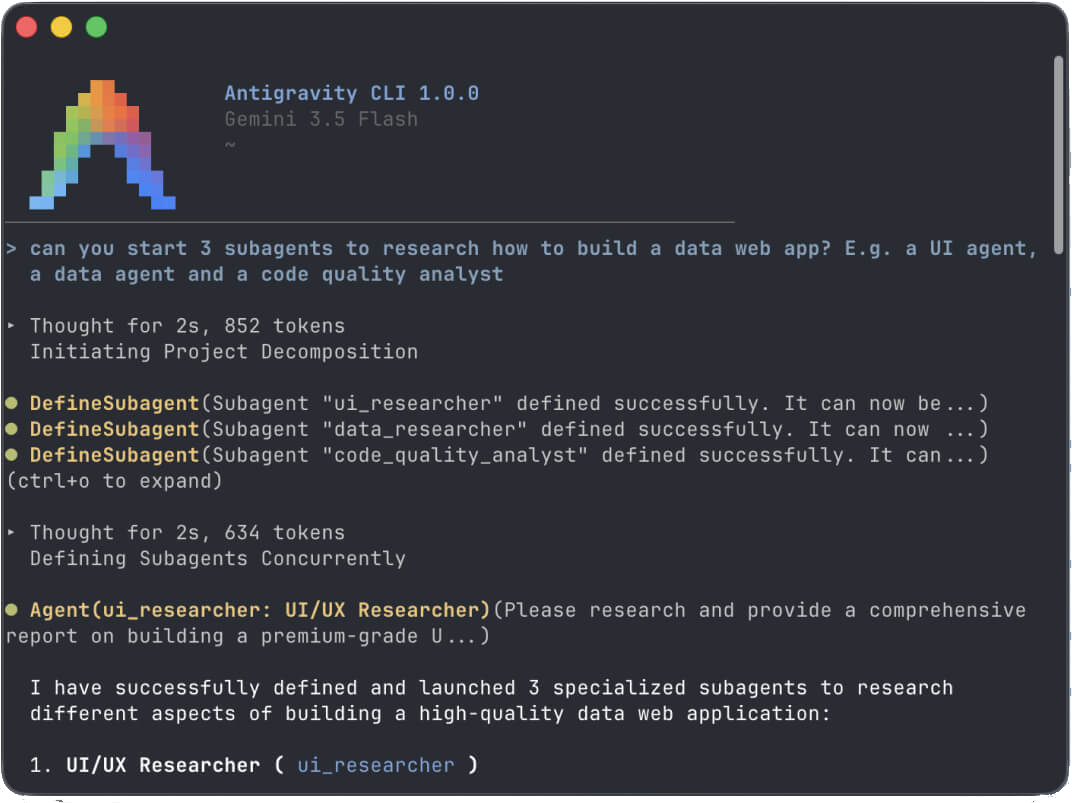
In May 2026, Google made the strategic decision to deprecate the Gemini CLI in favor of the Antigravity CLI. This was not a minor update; it was a fundamental shift in how Google approaches terminal-based AI.
Understanding the Pivot
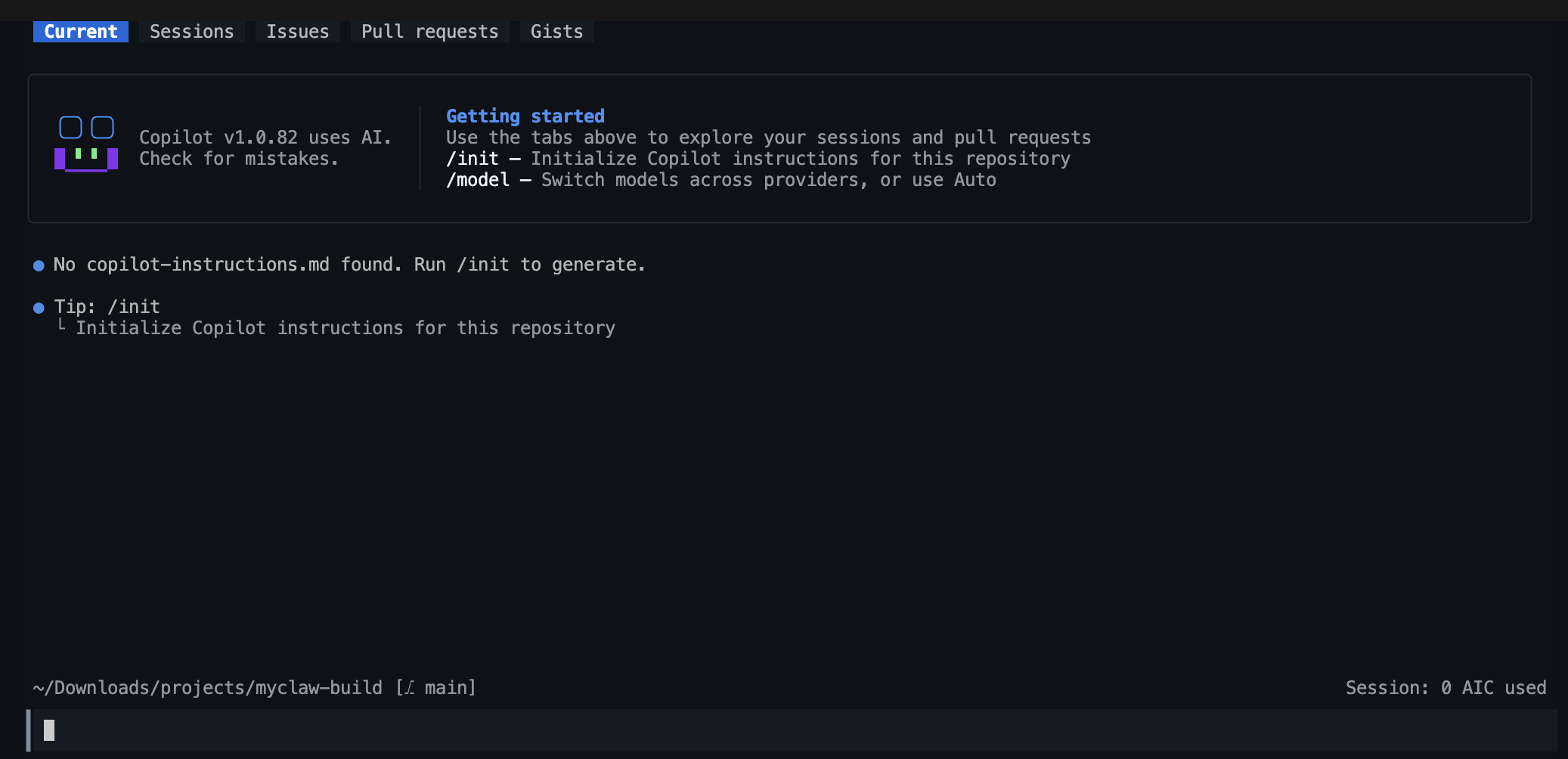
Antigravity CLI is engineered to serve as a lightweight surface for a much heavier backend. It is not a chatbot; it is a command-driven agent harness. It is optimized for SSH sessions and remote development, where latency is high and consistent performance is required.
Deployment for the Cloud-Native
For teams heavily invested in Google Cloud, Antigravity offers a unique advantage: it understands the nuances of Google’s proprietary deployment and infrastructure tools better than any third-party agent. Its consumption-based pricing model, integrated with GCP, allows for highly efficient cost-tracking.
5. OpenCode: The Open-Source Alternative
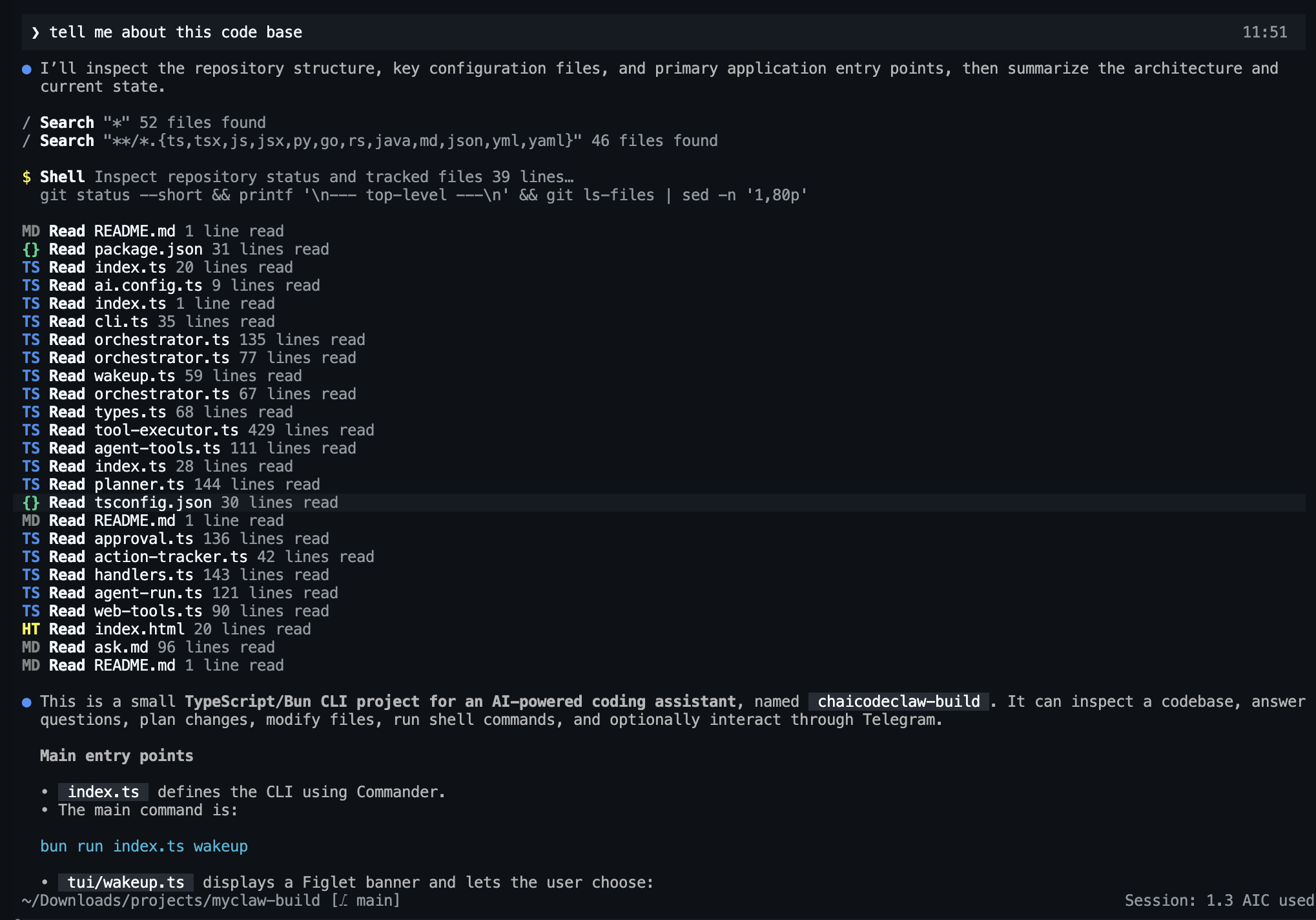
OpenCode stands apart by refusing to tie itself to a single model provider. It is the platform-agnostic choice, allowing developers to bring their own models (BYOM) via API keys.
The Persistent Context Advantage
OpenCode introduces the AGENTS.md file, a revolutionary way to handle project-level context. By maintaining a persistent file that the agent reads every time it starts, developers can ensure the agent remembers project-specific coding standards, architecture constraints, and preferred library versions, regardless of which model is powering the backend.
Architectural Convergence and Implications
Despite their different brandings, these five tools are converging on a unified architecture. The production quality of a 2026 coding agent is no longer determined solely by the "smartness" of the LLM. Instead, it is determined by the robustness of the agentic harness:
- Tooling: The ability to execute
docker,k8s, andnpmcommands. - Permissions: Granular control over what the agent can modify.
- State Management: The ability to "pause" and "resume" long-running tasks.
- Verification: Automatic test-run loops that confirm code quality before commit.
Implications for the Future of Work
The rise of these agents shifts the role of the software engineer. The job is no longer just about writing syntax; it is about defining goals, establishing guardrails, and curating the criteria for success. We are moving toward a future where the developer acts as a "systems architect," delegating the implementation, debugging, and testing phases to an autonomous agent.
As these tools continue to mature, the primary bottleneck will no longer be the speed of coding, but the clarity of our intent. Engineering teams that embrace these CLI agents will likely see an exponential increase in output, provided they invest the time in mastering the "prompt engineering" required to steer these autonomous systems safely and effectively.

Frequently Asked Questions
Q1. What is the primary difference between a chatbot and an agentic CLI?
A: A chatbot responds to text with text. An agentic CLI executes commands, monitors the terminal for results, interprets errors, and performs recursive loops to achieve a goal without further human intervention.
Q2. Are these tools safe for production codebases?
A: Most modern agents include "human-in-the-loop" confirmation for sensitive operations like rm -rf or database deletions. However, it is recommended to run these agents within a controlled development environment or containerized sandbox.
Q3. Which tool should a team choose?
A: If you are standardized on GitHub, Copilot CLI is the logical choice. If you prefer deep model control and granular workflow customization, Claude Code is superior. For Google-centric workflows, Antigravity is the new standard. For those requiring model-agnostic flexibility, OpenCode is the best candidate.