The Core Conflict
In a late-night Senate estimates hearing that laid bare the deepening fissures within Australia’s political landscape, independent Senator Fatima Payman issued a harrowing challenge to the Prime Minister, Anthony Albanese. Accusing the government of “petty” retribution, Senator Payman revealed that her office has been denied additional staffing resources since her departure from the Labor Party in 2024.
The dispute, while appearing on the surface to be a matter of administrative allocation, has become a lightning rod for broader anxieties regarding the safety of federal parliamentarians. Senator Payman drew a direct, chilling comparison between her own office’s struggles and the recent, widely condemned attack on Dr. Helen Haines, suggesting that the government’s inaction is a dangerous gamble with the lives of her staff.

“Is the prime minister waiting for something like what happened to Dr. Helen Haines to occur to my office, to me, for him to take our request seriously?” Payman asked, an inquiry that left the hearing room in a palpable state of tension.
A Chronology of Increasing Hostility
The events of this week are part of a broader, more disturbing trend. In March 2026, police data revealed that violent and menacing threats directed at Australian politicians had doubled over a two-year period. Senator Payman’s testimony provided a grim, personal window into this statistic. Last week, she disclosed that her office had been targeted by an incident involving human faeces, an act that necessitated the urgent intervention of a biohazard remediation team.

The timeline of her staffing request is equally significant. Senator Payman claims she formally requested an additional adviser—a standard allocation for most independent offices—two years ago. Despite the passage of time and the mounting "psychosocial hazards" her staff face in an increasingly toxic political environment, the request remains unprocessed by the Prime Minister’s office.
During the hearing, when pressed on the matter, Trade Minister Don Farrell dismissed the Senator’s comparison to the attack on Dr. Haines as an “outrageous suggestion.” However, Payman refused to withdraw her comments, standing her ground until the government provides a substantive response to her staffing needs.
Supporting Data: The Disparity in Resources
The disparity in office support is not merely a subjective grievance; it is supported by documented evidence. A document tabled during the estimates hearing confirmed that Senator Payman currently has zero advisers on staff. In contrast, most other independent senators are provided with one or two advisers, allowing them to better manage the administrative and security burdens of their roles.
This administrative bottleneck exacerbates the vulnerability of independent offices. As the "psychosocial hazards" of the job grow—ranging from digital harassment to physical threats—the lack of support staff means that the remaining team members are forced to manage an unsustainable workload. As Payman noted, “My staff are burning out. They can’t take this any longer.”

Official Responses and the Climate of Civility
The response from the government has been characterized by a defensive posture, focused on dismissing the accusations of political pettiness. Minister Don Farrell’s immediate rejection of the comparison to Dr. Haines highlights the sensitivity surrounding any suggestion that the government’s political management of defectors is contributing to a climate of violence.
However, the opposition has also begun to weigh in on the climate of fear. Opposition leader Angus Taylor, speaking in a joint party room meeting, acknowledged the ongoing conversation regarding personal security. While he did not offer specific policy proposals, he reminded colleagues that the foundation of the Westminster system is designed to prevent political violence.
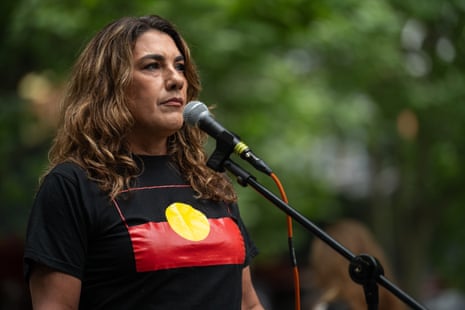
Echoing this sentiment, Defence Minister Richard Marles emphasized the need for a return to civility. “I really hope that all of us can do better,” Marles said. “We need to really try and collectively engage in bringing the temperature down, and have a much more respectful and civil discourse. And I know that’s what Helen Haines would want.”
The Broader Context: A Parliament Under Siege
The tension in the Senate is symptomatic of a Parliament that is grappling with its own standards. In a separate, equally concerning development during the same estimates period, Department of Infrastructure Secretary Jim Betts addressed the "vile and misogynistic" abuse directed at female public servants via social media.
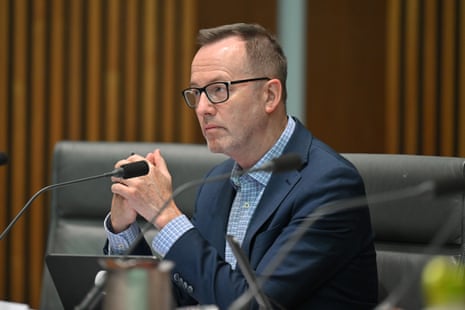
Betts highlighted the "selective editing" of parliamentary footage by politicians to create clips designed to "humiliate public servants unfairly." This trend of using social media to turn parliamentary accountability into performative, viral hostility is creating a dangerous feedback loop. When politicians use out-of-context video to shame officials, they inadvertently provide a green light for the public to escalate that abuse into threats and harassment.
Related Developments: The "Ethical AI" Debate
The atmosphere of apprehension extends to the technological threats facing the nation. Greens leader David Shoebridge, speaking after a report from the Australian Signals Directorate (ASD) warned of severe threats to online infrastructure, called for an investment in "ethical Australian AI."

Shoebridge’s comments, while focused on national security, underscore a lack of trust in current systems: “The idea that you invite the robbers in to protect the family silver is pretty bloody extraordinary,” he remarked, referring to the reliance on foreign tech giants. This distrust in centralized, external systems mirrors the lack of trust between the government and independent MPs.
Implications: The Future of Political Safety
The implications of this week’s events are profound.
- Security Infrastructure: With at least nine MPs having security crackdowns accelerated for their offices, the physical layout of Australian democracy is changing. Parliament House is seeing increased security in public spaces, a signal that the "people’s house" is becoming a fortress.
- The Independent Squeeze: The standoff between Senator Payman and the Prime Minister’s office suggests that the political cost of defecting from a major party has moved beyond parliamentary procedure into the realm of basic security and welfare.
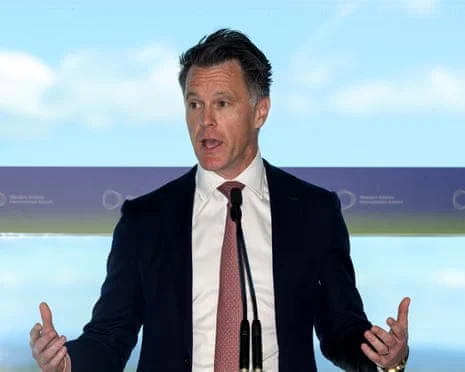
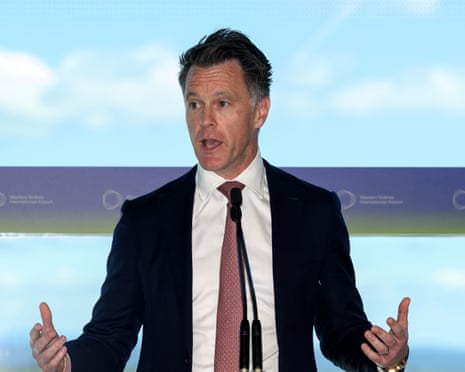
- The Erosion of Trust: Whether it is the debate over AI, the management of migration, or the protection of hospital workers, the common thread is a loss of faith in the system. The NSW Premier, Chris Minns, warned that the federal government must be “serious” about meeting migration targets, noting that when promises aren’t met, “people lose faith in the system.”
Conclusion
As the 2026 session continues, the events in Canberra paint a picture of a nation at a crossroads. The physical and psychological safety of those serving in public life is under unprecedented pressure. From the corridors of Parliament to the offices of regional MPs, the demand for a more respectful, better-resourced, and more transparent political culture is growing.
Whether the government chooses to address the legitimate staffing needs of independent senators or continues to view them as political adversaries to be managed, the current trajectory is unsustainable. The "temperature" that Minister Marles refers to cannot be lowered by rhetoric alone; it requires a structural commitment to the safety and the dignity of all who work within the Australian democratic system.

If the government is truly concerned with the "welfare and wellbeing of people who work in this building," as Senator Payman implored, the time for administrative stalling has passed. The security of our institutions depends on the security of the individuals who represent the public within them.