By [Your Name/Journalistic Desk]
The streets of Brussels, usually a hub of bureaucratic efficiency and international diplomacy, were transformed into a chaotic landscape of smoke, sirens, and confrontation this week. What began as a large-scale, coordinated demonstration by trade unions against the government’s proposed austerity package spiraled into intense clashes between law enforcement and agitators, resulting in over 100 detentions and significant property damage.
The unrest, which primarily centered around the capital’s major railway hubs, underscores a deepening divide between the current administration’s fiscal consolidation plans and a population increasingly squeezed by the rising cost of living.
Main Facts: A City Divided
At the heart of the unrest is the Belgian government’s controversial "savings package." Faced with mounting national debt and the pressure to meet EU budgetary guidelines, the government has proposed a series of measures aimed at curbing state spending. However, these proposals—which include adjustments to the automatic wage indexation system, potential hikes in Value Added Tax (VAT), and significant cuts to public services—have been met with fierce resistance.
Trade unions argue that these measures disproportionately target the most vulnerable members of society. Their primary grievance is that the burden of economic stabilization is falling squarely on the shoulders of workers, pensioners, and low-income households, while the wealthiest tiers of society remain largely untouched.
Joining the labor unions were thousands of students, driven by concerns over the future of higher education. The academic community is protesting against a perceived systematic erosion of funding, which they fear will lead to skyrocketing tuition fees and a decrease in the quality and accessibility of university education.
Chronology of the Unrest
The Peaceful Commencement
The day began in a spirit of organized dissent. Thousands of workers, students, and pensioners gathered in the heart of the city, carrying placards and chanting slogans. The atmosphere was initially festive, characterized by music, dance, and the traditional camaraderie of labor movements. The main march, organized by the primary trade union federations, moved through the city center with clear objectives and a disciplined structure.
The Turn Toward Violence
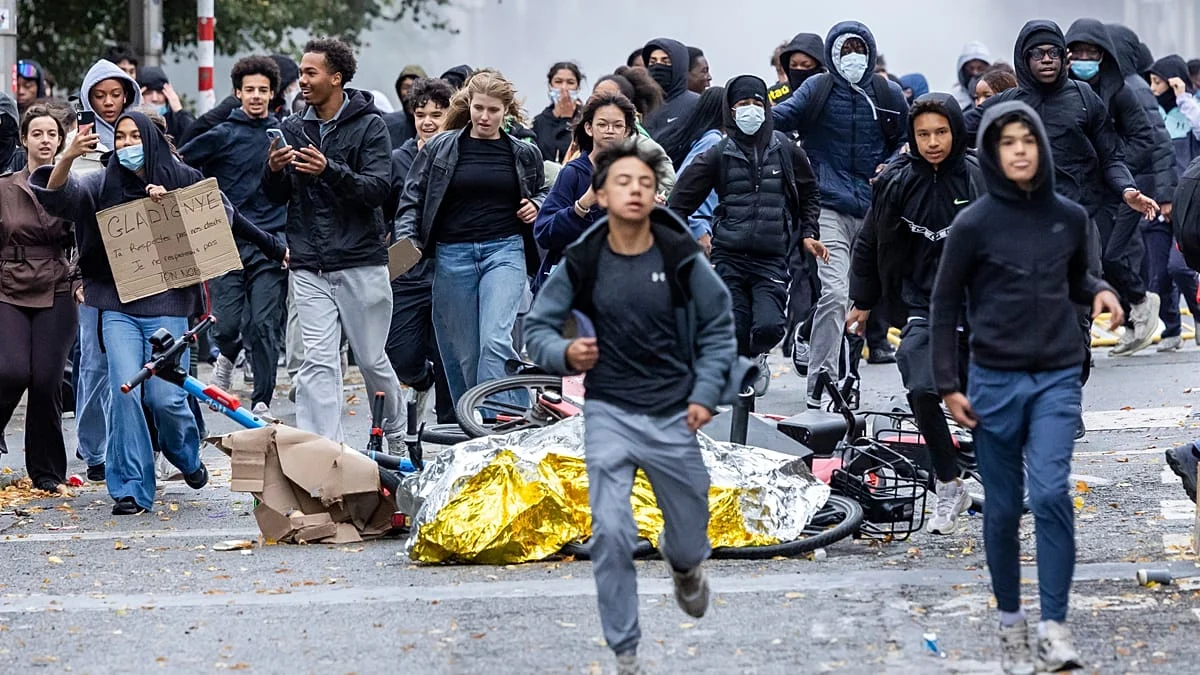
The situation shifted dramatically as the march reached the vicinity of the Brussels-Midi railway station. According to eyewitnesses and police reports, a splinter group—separate from the main union contingent—began to provoke authorities. The protest devolved into a series of violent confrontations as individuals began hurling heavy objects, stones, and industrial-grade fireworks at police cordons.
Escalation and Police Response
Faced with the aggression of the splinter groups, the Brussels police force initiated a robust tactical response. Water cannons were deployed to disperse the crowds, and tear gas was fired to regain control of the thoroughfares. The violence reached a fever pitch as some demonstrators began throwing gas canisters back at the police.
By mid-afternoon, the situation had deteriorated to the point where police requested reinforcements. Additional units, equipped with specialized tear gas launchers, were dispatched to the scene, supported by aerial surveillance from a police helicopter.
Unrest at Brussels-Central
As the afternoon wore on, the chaos migrated toward Brussels-Central station. Fires were set in the streets, and property damage was reported in the surrounding commercial areas. Police were forced to establish a perimeter to contain the violence, separating these clashes from the main, largely peaceful trade-union march, which had continued its planned route.
Supporting Data: The Scale of the Crackdown
The statistical fallout of the day’s events highlights the severity of the confrontation. While initial reports from the Brussels police department cited 21 detentions, the number swelled as the investigation and containment efforts continued throughout the evening.
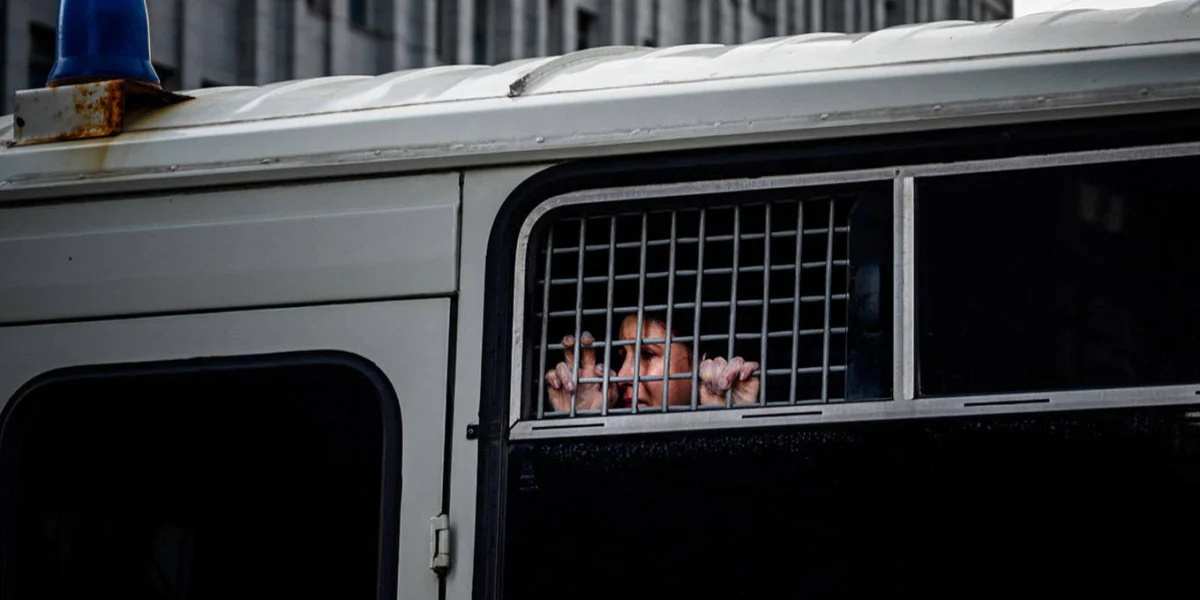
- Total Detentions: By Friday evening, authorities confirmed that more than 100 individuals had been detained.
- Judicial vs. Administrative: Of those detained, approximately 30 individuals were subject to judicial arrests—meaning they face formal charges for criminal acts, such as assault on police officers or arson. The remaining 80 were subject to administrative detentions, primarily for public order offenses.
- Demographics: Notably, 13 of the initial detainees were minors, raising concerns about the radicalization of youth in the protest movement.
- Casualties: Despite the intensity of the clashes, the use of water cannons, and the deployment of tear gas, there were no official reports of critical injuries or fatalities by the end of the day. However, several police officers and protesters were treated for minor injuries and respiratory irritation.
Official Responses and Political Rhetoric
The response from the Belgian government was swift and condemnatory. Government spokespersons emphasized the right to protest but drew a sharp line between legitimate democratic dissent and the violence witnessed at the railway stations.
"Freedom of expression is a cornerstone of our democracy," a government representative stated, "but the violence we witnessed today, particularly the targeting of law enforcement and the destruction of public property, is entirely unacceptable. We will ensure that those responsible for this criminality are held to account."
The trade unions, for their part, were careful to distance themselves from the rioters. In a joint statement, union leaders reaffirmed their commitment to peaceful negotiation and social dialogue. They argued that the violence was a symptom of the frustration brewing among the populace due to the government’s refusal to engage in meaningful consultation regarding the budget.
"The violence is not the voice of the workers," the statement read. "The real issue remains the systemic inequality embedded in the proposed austerity package. We call on the government to listen to the legitimate concerns of the people before the social climate deteriorates further."
Implications: A Fragile Social Contract
The events in Brussels are not an isolated incident; they are a manifestation of a broader, European-wide trend of social unrest fueled by inflation and fiscal austerity. The implications of this week’s protests are significant for the Belgian government.
The Challenge to Governance
The government now faces a delicate balancing act. If they proceed with the austerity package as planned, they risk further fueling the anger of the unions and potentially sparking more violent protests. If they retreat, they risk losing the confidence of international creditors and the European Commission, which expects fiscal discipline.
The Radicalization of Dissent
The presence of minors among the detainees and the shift from peaceful protest to violent confrontation suggest that there is a segment of the population that has lost faith in traditional democratic processes. When citizens feel that their voices are not being heard through strikes or marches, the likelihood of radicalization increases. This creates a challenging environment for policymakers who must now address both the economic crisis and a growing crisis of legitimacy.
The Future of Social Dialogue
Belgium has a long tradition of "social partnership," where unions, employers, and the government negotiate on key economic issues. The intensity of this week’s protests suggests that this social contract is under severe strain. To prevent further unrest, a renewed effort toward transparent, inclusive dialogue is essential. The unions are demanding a shift in strategy—specifically, that the government look toward wealth taxes or other progressive revenue-raising measures rather than cuts to the public sector.
Economic Uncertainty
As the dust settles, the economic reality remains unchanged. Belgium, like many of its neighbors, is navigating a difficult path of high inflation, stagnant growth, and the energy transition. The uncertainty caused by the protests may further dampen consumer confidence and investment.
Conclusion
The scenes at Brussels-Midi and Brussels-Central serve as a stark reminder of the volatility inherent in modern fiscal politics. While the main union march was a legitimate exercise of democratic rights, the subsequent violence has clouded the narrative and placed the government in a defensive posture.
As the authorities sift through the aftermath—reviewing CCTV footage, processing detainees, and assessing the physical damage—the political task ahead is arguably much harder. The government must decide whether to continue on its current fiscal trajectory or to pivot toward a more collaborative approach that addresses the genuine anxieties of the Belgian people. Until a resolution is found that balances economic necessity with social justice, the streets of Brussels may remain a focal point of European discontent.