Date: October 8, 2026
Source: Atlantic Council Front Page Podcast
Key Participants: Federal Reserve Vice Chair for Supervision Michelle W. Bowman; Josh Lipsky, Senior Director of the Atlantic Council’s GeoEconomics Center.
Executive Summary: The Fed’s Stance in a Post-Hike Environment
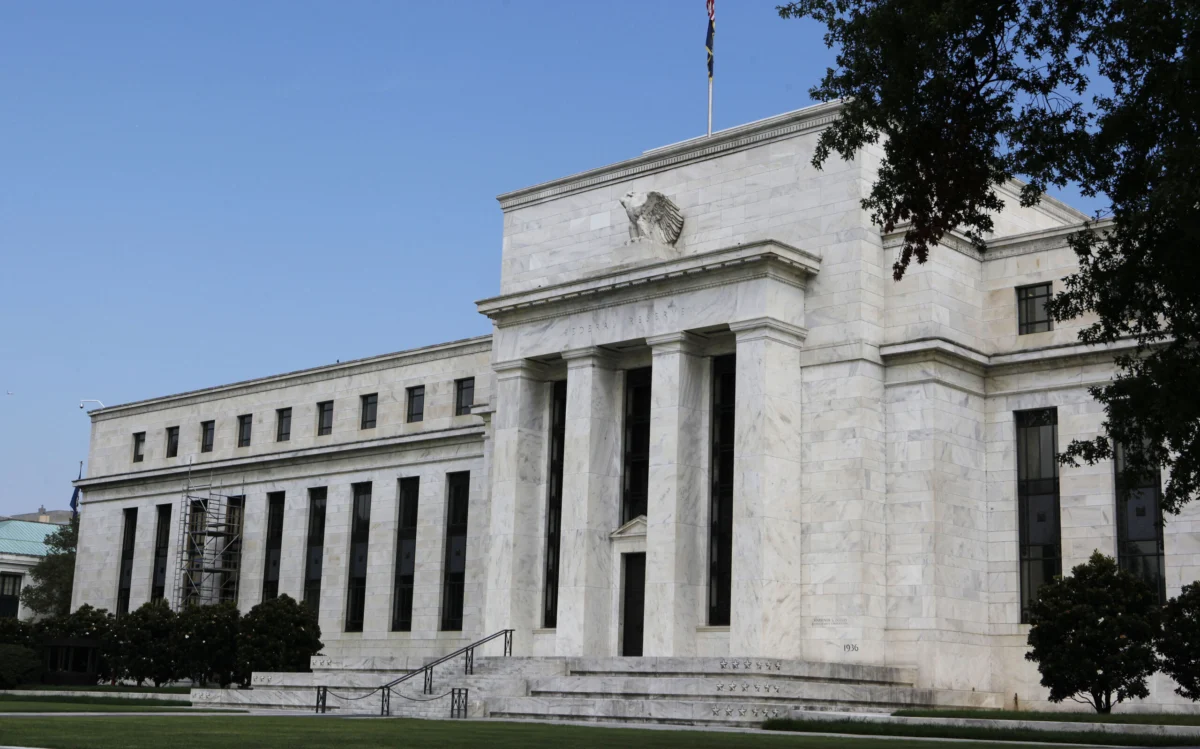
In a pivotal conversation on The AC Front Page Podcast, Federal Reserve Vice Chair for Supervision Michelle W. Bowman offered a measured assessment of the U.S. economic landscape following the central bank’s September interest rate adjustment. As the Federal Open Market Committee (FOMC) continues to navigate a complex macroeconomic environment characterized by lingering inflationary pressures and technological disruption, Governor Bowman emphasized a strategy of caution and patience.
Speaking with the Atlantic Council’s Josh Lipsky, Bowman signaled that the Federal Reserve sees no immediate, urgent requirement for further aggressive monetary policy action in the near term. This stance highlights the central bank’s ongoing commitment to data-dependent decision-making, as policymakers weigh the benefits of current restrictive rates against the risks of potential economic cooling. Beyond interest rates, the discussion spanned the transformative potential of artificial intelligence (AI) in the financial sector and the high-stakes finalization of the Basel III “endgame” capital requirements.
Chronology: The Road to the September Decision
The path leading to the current monetary policy environment has been defined by a transition from rapid post-pandemic tightening to a more surgical, data-driven approach.
- Early 2026: The Federal Reserve signaled a shift in tone, moving away from aggressive rate hikes toward a “higher for longer” strategy to ensure inflation anchors firmly at the 2% target.
- Summer 2026: Market volatility and cooling labor market indicators prompted widespread speculation regarding the September FOMC meeting. Investors closely monitored every speech from Board members to gauge the likelihood of a pivot.
- September 2026: The Fed moved to adjust interest rates, a decision that served as a middle ground between continued tightening and an early pivot to easing.
- October 8, 2026: In the wake of this adjustment, Governor Bowman’s appearance on the Atlantic Council podcast served as a critical opportunity to interpret the FOMC’s signaling for the remainder of the year and into 2027.
Supporting Data: Why the Fed is Choosing Caution
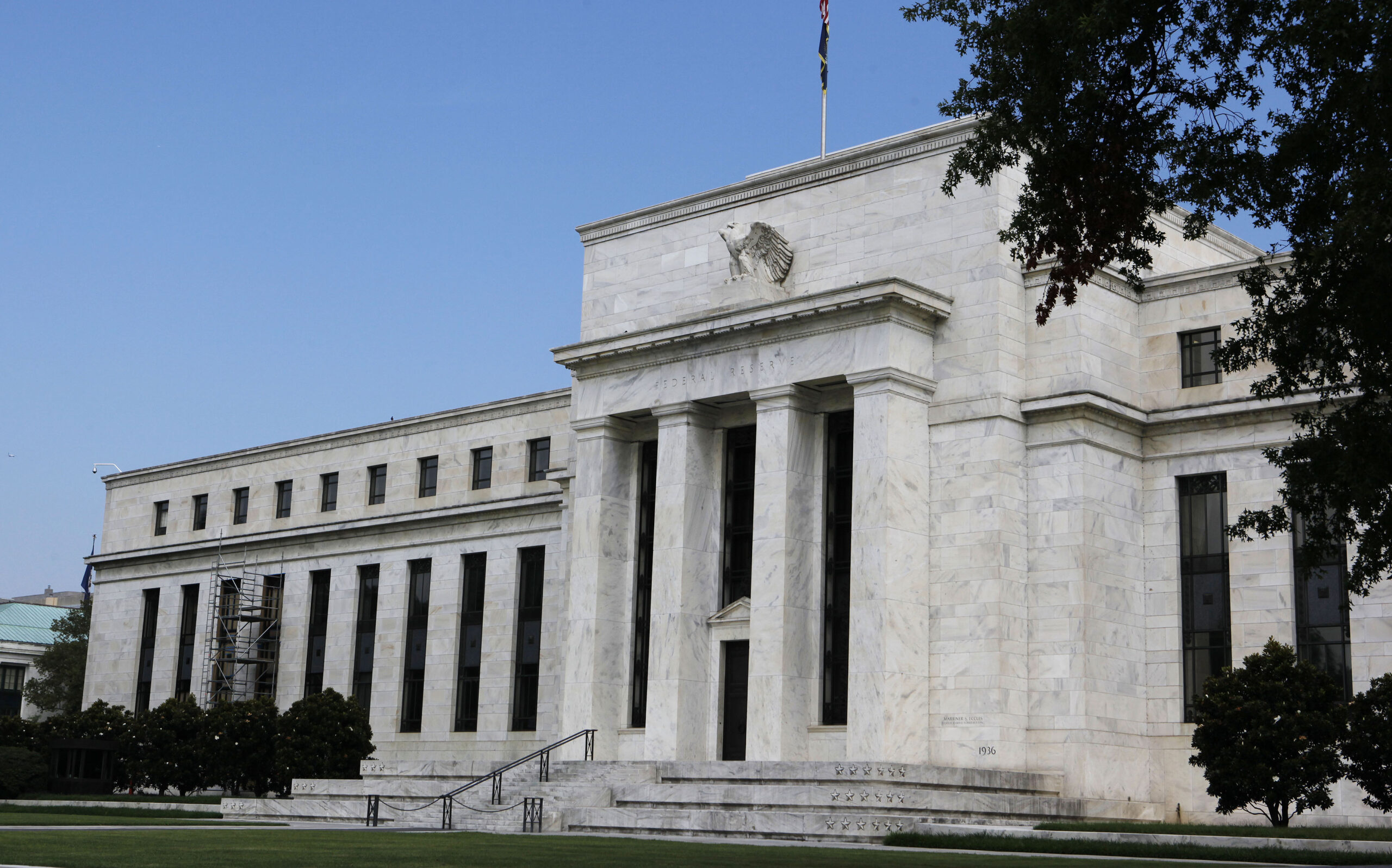
Governor Bowman’s reluctance to call for immediate further action is rooted in a nuanced interpretation of current economic data. While headline inflation has retreated from the peaks observed in 2024 and 2025, core services inflation remains a point of concern for the Board.
The Labor Market Paradox
The labor market, while showing signs of moderation, has maintained a level of resilience that complicates the Fed’s mission. Bowman noted that while wage growth is beginning to align more closely with productivity trends, the labor supply-demand mismatch remains a structural challenge. The "soft landing" scenario—where inflation is brought under control without triggering a significant recession—remains the baseline, but the margin for error is razor-thin.
Banking Sector Health
The banking sector has stabilized significantly since the regional bank stresses of 2023. However, the regulatory environment is undergoing a massive overhaul. Bowman emphasized that while the banking system remains well-capitalized, the transition to new capital requirements must be balanced against the need for credit availability. Over-regulation, she cautioned, could inadvertently stifle the lending necessary to sustain economic growth during this period of high interest rates.
Official Responses and Strategic Shifts
The AI Frontier in Banking
Perhaps the most forward-looking aspect of the conversation centered on the integration of Artificial Intelligence into the financial sector. Governor Bowman acknowledged that AI presents both a profound opportunity and a systemic risk.
- Operational Efficiency: Banks are increasingly deploying AI for fraud detection, risk management, and personalized financial services. These efficiencies, Bowman noted, could lower costs for consumers and increase the speed of financial intermediation.
- Systemic Risk and Transparency: The "black box" nature of some AI algorithms poses challenges for traditional oversight. Bowman stressed that the Federal Reserve is focused on ensuring that banks maintain robust governance structures. The goal is to encourage innovation while ensuring that AI adoption does not undermine the safety and soundness of the financial system.
Basel III: The “Endgame”
The finalization of the Basel III framework remains the most significant regulatory hurdle for the U.S. banking industry. Governor Bowman reiterated the Fed’s commitment to finalizing these rules by the end of 2026. This process has been marked by intense debate between policymakers, who seek to ensure that large banks hold sufficient capital against potential shocks, and industry leaders, who argue that the requirements are overly burdensome and could restrict the capital available for business loans.
Bowman indicated that the Fed is listening to these concerns. Her focus is on a "calibrated" approach that addresses the lessons learned from the recent cycle of interest rate volatility while ensuring that U.S. banks remain globally competitive.

Implications: What This Means for the Global Economy
The signals provided by the Federal Reserve have immediate implications for both domestic and international stakeholders.
For Investors and Markets
The "no rush" mantra from the Vice Chair suggests that investors should not anticipate rapid, successive rate cuts. Instead, the market is likely to see a period of extended stability. This environment benefits long-term planning but challenges short-term speculative trading models that rely on volatile shifts in central bank policy.
For Global Geopolitics
As the U.S. dollar continues to serve as the world’s primary reserve currency, the Federal Reserve’s decisions have a disproportionate impact on emerging markets. High U.S. interest rates have previously strengthened the dollar, placing pressure on foreign debt loads. Bowman’s balanced approach is seen as a signal of stability, which may provide some relief to international markets concerned about liquidity crunches and currency depreciation.
For the Regulatory Landscape
The emphasis on modernizing financial regulation—specifically regarding AI and capital standards—suggests that the regulatory "watchdog" is becoming more sophisticated. Banks that invest in transparent, audit-ready AI systems are likely to find themselves in a better position to navigate the evolving requirements of the Federal Reserve.
Conclusion: A Delicate Balancing Act
The conversation between Michelle Bowman and Josh Lipsky underscored the reality of the current economic moment: the Federal Reserve is operating in a state of high-stakes equilibrium. By resisting the urge to take immediate, reactive measures, the Fed is attempting to protect the economy from the twin dangers of entrenched inflation and unnecessary contraction.

As the central bank approaches the end of 2026, the focus will remain on the interplay between technological advancement and prudent supervision. With Basel III looming on the horizon and the AI revolution accelerating, the Federal Reserve’s leadership must ensure that the U.S. financial system remains the most robust in the world—a goal that requires both the wisdom to act and the patience to wait for the data to confirm the path forward.
For policymakers, the message is clear: the era of reactive, emergency-based policy is fading. We have entered a phase of long-term structural adjustment where precision, transparency, and a clear-eyed understanding of technological risks will define the success of the U.S. financial system in the years to come.
For the full audio transcript and video of this discussion, please visit the Atlantic Council’s official website at AtlanticCouncil.org/ACFrontPage.