Introduction: A New Paradigm in Regional Security
Across Latin America, the skyline of public policy is changing. Where once the discourse centered on social reform and judicial modernization, the current political zeitgeist is dominated by steel, concrete, and the uncompromising silhouette of the "mega-prison." This week, Costa Rica marks a definitive shift in its domestic policy with the inauguration of the Center for High Containment of Organized Crime (CACCO), a 5,100-bed facility designed to mirror the controversial Terrorism Confinement Center (CECOT) in El Salvador.
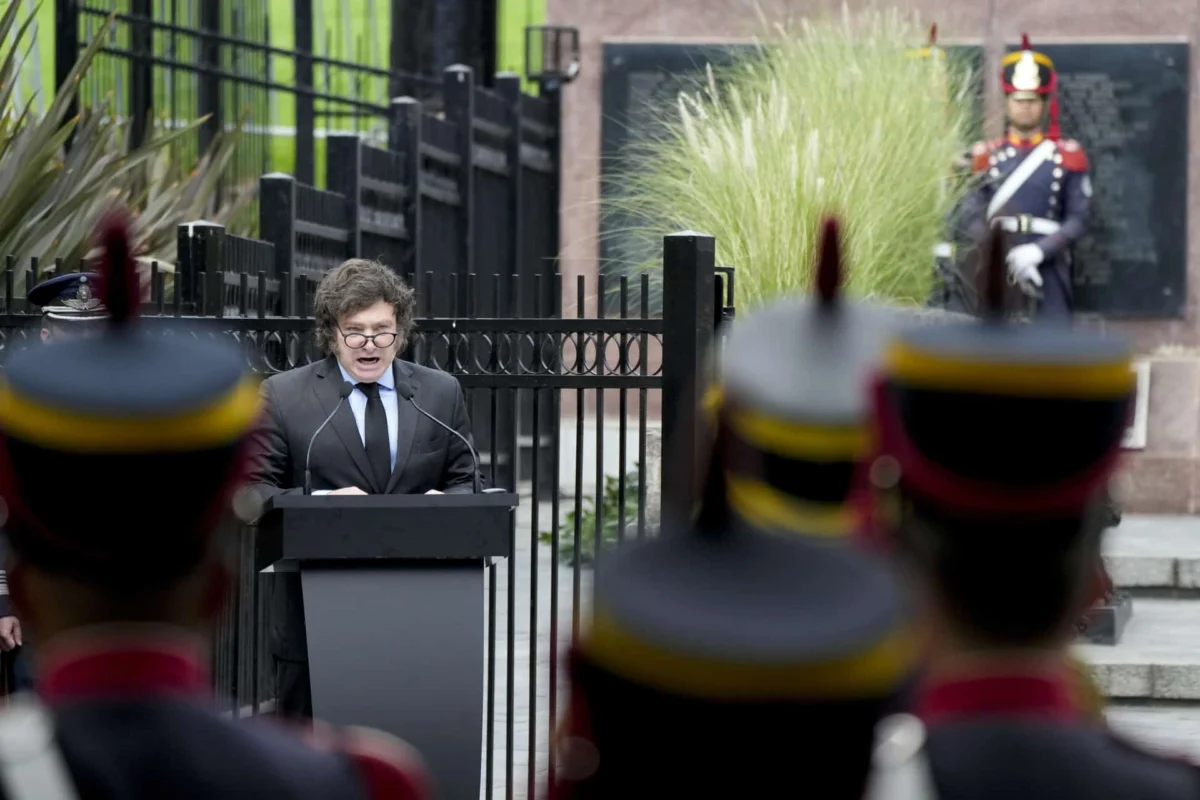
The event is more than a ribbon-cutting ceremony; it is a high-profile convergence of regional "security populist" leaders. With the presence of Salvadoran President Nayib Bukele—the architect of the current regional blueprint—and Colombian President Abelardo de la Espriella, the gathering serves as a de facto political summit. Together, these leaders are cementing a new, uncompromising approach to criminal justice that prioritizes mass incarceration as the primary antidote to the region’s stubborn and escalating security crises.
The Chronology of a Regional Movement
The Salvadoran Genesis
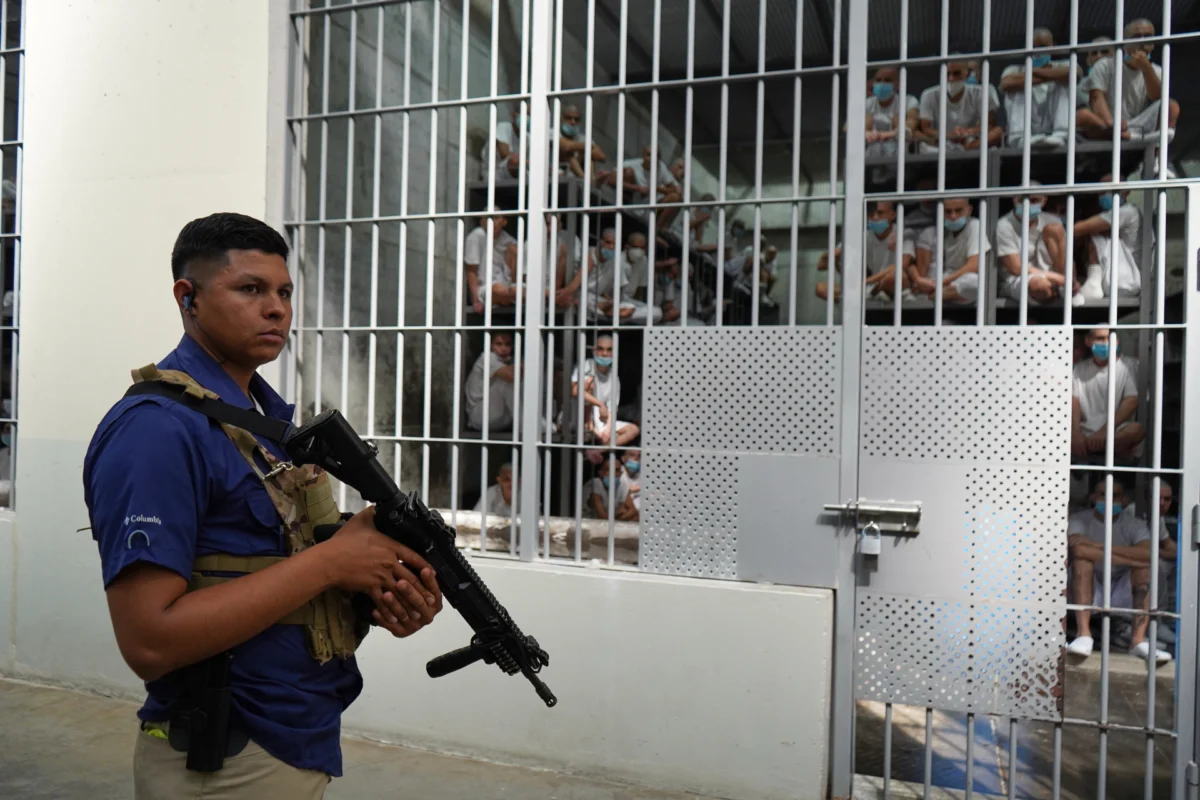
The trajectory toward mass incarceration began in earnest in 2023 with the opening of CECOT in El Salvador. President Bukele’s aggressive "mano dura" (iron fist) policies, which facilitated the detention of tens of thousands of suspected gang members, required a physical manifestation of state power. CECOT, a sprawling, isolated complex, became the global symbol for a new brand of governance: security at any cost.
From Campaign Promise to National Policy
In January, the blueprint for the CACCO project in Costa Rica was formalized when President Bukele joined then-candidate Laura Fernandez to lay the facility’s first stone. The gesture was a calculated political maneuver, signaling a alignment of ideologies that ultimately propelled Fernandez to the presidency. Similarly, in Colombia, President Abelardo de la Espriella rode a wave of voter frustration to office, explicitly campaigning on a promise to construct ten new mega-prisons to combat the nation’s systemic violence. The inauguration of CACCO serves as the physical embodiment of these campaign promises—a clear signal that the political rewards of "tough-on-crime" rhetoric remain high.
Supporting Data: The Reality of Overcrowding
To understand the fervor behind the mega-prison movement, one must look at the dire state of the current prison systems. The region is currently facing a dual crisis: an unprecedented rise in organized crime and a crumbling, overcrowded penal infrastructure.
- Colombia: The national system is currently operating at a significant deficit. With a total inmate population nearing 103,000, the system—designed for a capacity of 81,000—is stretched to a breaking point.
- Peru: In a recent tour of the El Milagro prison in Trujillo, President Keiko Fujimori highlighted a facility housing over 6,000 inmates—a figure four times its intended capacity.
- Regional Proliferation: According to data published by InSight Crime in August, there are currently 16 mega-prisons proposed or under construction across 10 different Latin American nations.
These figures are not merely bureaucratic statistics; they represent a humanitarian and security failure. Overcrowded facilities serve as incubators for criminal organizations. Rather than rehabilitation centers, many regional prisons have become headquarters for cartels, where recruitment, strategic planning, and the orchestration of external violence occur with relative impunity. The recent massacre in a Sinaloa, Mexico prison, which left 10 dead, serves as a grim reminder that prisons in their current state are often the most dangerous zones in the country.
Official Responses and Political Implications
The "Security Populist" Narrative
The leaders promoting these facilities argue that the traditional justice system has failed to protect the citizenry. For proponents, the mega-prison is a pragmatic solution to a unique threat. By removing high-level criminals from society and placing them in high-containment, isolated environments, governments claim they are reclaiming the streets.
However, critics argue that these policies are more performative than transformative. The "security populist" approach often prioritizes the visual of a strong state over the nuanced work of judicial reform, corruption reduction, and police modernization. The risk, as outlined by human rights observers, is that these massive, anonymous facilities will become "black holes" where the rule of law is suspended, and the cycle of violence is merely relocated from the streets to the cell blocks.
The Regional Political Rally
The presence of international leaders at the CACCO opening highlights the regionalization of this political strategy. By branding the prison as a victory for the "Right," these leaders are creating a cohesive political identity that transcends borders. This is a rejection of the liberal-democratic consensus that dominated the 2000s and 2010s. In its place, a new doctrine is emerging: one where the efficiency of the state is measured by its capacity to warehouse its enemies.
Implications: The Long-Term Cost of Containment
The Human Rights Dimension
The most immediate implication of this shift is the erosion of due process. Many of those filling the new mega-prisons are held in pre-trial detention, often for extended periods. As the capacity for mass incarceration expands, so too does the incentive to bypass lengthy judicial proceedings in favor of immediate, large-scale arrests. This effectively creates a system where the punishment—confinement—precedes the verdict.
The Security Dilemma
While proponents argue that removing gang leaders from the general population will reduce homicide rates, historians and criminologists point to the "prison-as-academy" phenomenon. When thousands of low-level offenders are placed into high-security facilities alongside hardened criminals, the state risks creating a more cohesive, better-organized criminal class. If the prison environment is not coupled with significant rehabilitation and separation strategies, these mega-prisons could inadvertently harden the very groups they aim to dismantle.
Economic and Social Sustainability
The financial burden of maintaining these facilities is immense. The construction costs are only the beginning; the staffing, logistical support, and long-term security requirements for a 5,100-bed facility are astronomical. In countries already struggling with fiscal deficits, diverting massive amounts of the national budget toward incarceration may come at the expense of education, social services, and infrastructure projects that address the root causes of crime.
Conclusion: A Turning Point for the Continent
The inauguration of CACCO in Costa Rica is a seminal moment. It represents the transition of the mega-prison model from an experimental policy in El Salvador to a standardized, exported strategy for governance across Latin America.
As President Bukele, President de la Espriella, and their regional counterparts gather to celebrate this milestone, the continent watches with mixed emotions. For citizens exhausted by gang violence and systemic insecurity, these walls represent a long-awaited attempt at order. For human rights advocates and policy analysts, they represent a potentially dangerous escalation in state power—a move toward an architecture of authority that may permanently alter the region’s social contract.
The success or failure of the CACCO model will likely dictate the political trajectory of the region for the next decade. If these prisons succeed in lowering homicide rates and breaking the back of organized crime, they will likely become the standard for the hemisphere. If, however, they lead to deeper human rights crises, intensified prison-based recruiting, and unsustainable fiscal strain, the region may find itself in an even more precarious position than before. As the ribbon is cut, the message from the region’s leaders is clear: the age of the mega-prison has arrived, and it is here to stay.