Introduction: A Mirage of Power
On November 26, 2025, the political architecture of Guinea-Bissau buckled under the weight of a sudden, chaotic military intervention. At the time, the narrative appeared straightforward: President Umaro Sissoco Embaló, facing an electoral defeat, had orchestrated a "self-coup" to nullify a victory by his primary challenger, Fernando Dias da Costa. To the international community and regional analysts, the move was a transparent, albeit desperate, gambit to cling to power.
However, one year later, the script has been violently rewritten. Embaló, who fled to Morocco following the initial upheaval, has found himself not the architect of a strategy, but a victim of a purge. The ruling military junta, once seemingly his staunchest allies, has barred his return, effectively turning his temporary exile into a permanent political erasure. As the nation drifts toward an indefinite state of authoritarian limbo, the initial assumption—that the coup was a sham for Embaló’s benefit—has been exposed as a profound misunderstanding of the shifting power dynamics within Bissau’s military elite.
Chronology of a Collapsing State
The timeline of Guinea-Bissau’s recent turmoil reflects a pattern of calculated betrayal and institutional decay.
- November 26, 2025: The military intervenes, overthrowing the Embaló administration. At the time, election results favoring Fernando Dias da Costa were pending. Observers characterize the event as a "staged" intervention to prevent an opposition victory.
- December 2025: Embaló departs for Morocco, officially citing a need for international consultation but widely viewed as retreating to a safe harbor while his military allies "consolidate" the transition.
- October 2026: After months of uncertainty, the junta announces that the promised December 6 elections will be indefinitely postponed.
- Late 2026: Embaló attempts to leverage his standing to return home and contest the upcoming polls. He is met with a cold, formal rejection from the junta, which cites "security conditions" as the primary barrier.
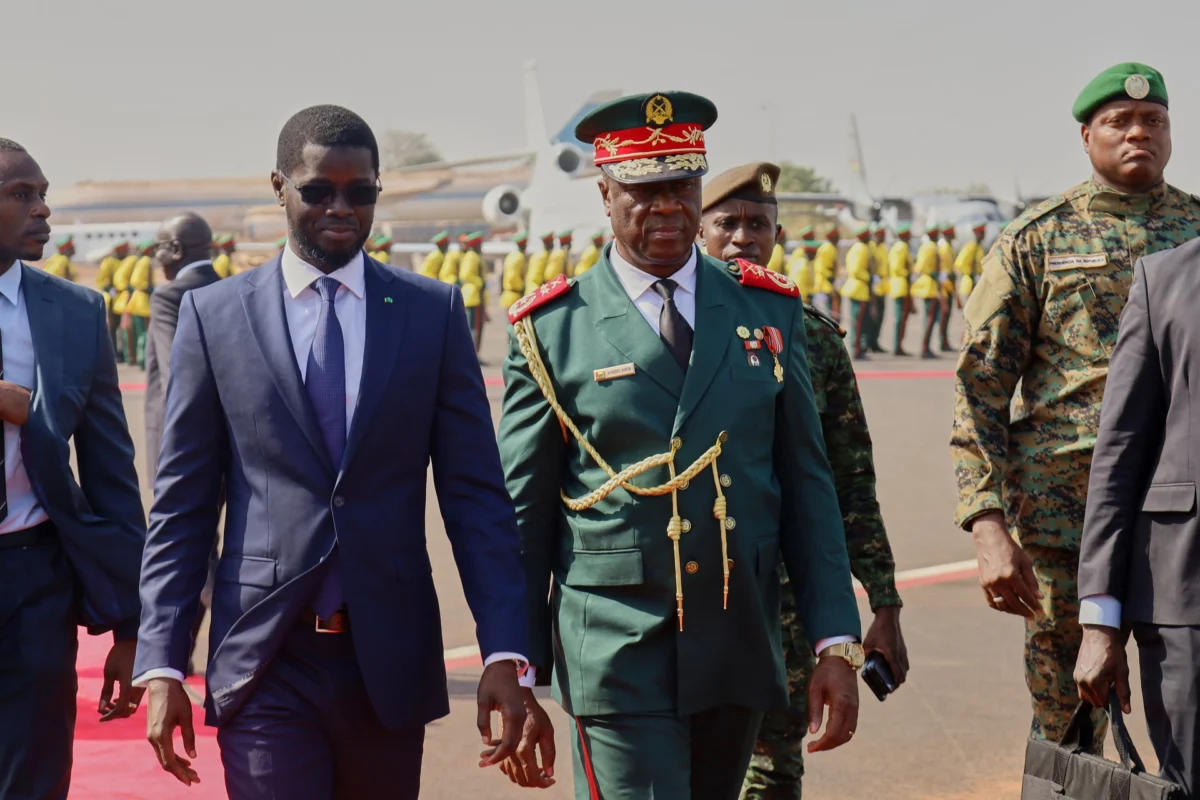
- Present Day: The nation remains under the firm, undemocratic control of Gen. Horta Inta-a and Gen. Tomas Djassi, with no clear path back to civilian governance.
Supporting Data and Political Context
The political landscape of Guinea-Bissau is historically volatile, characterized by a cyclical pattern of military intervention. To understand the current impasse, one must look at the structural fragility of the state. Since gaining independence from Portugal in 1974, no president has ever completed a full term in office.
The 2025 election was supposed to be a watershed moment for stability. Data from pre-election polling suggested that Dias da Costa held a narrow but clear lead, fueled by anti-incumbency sentiment and a desire for structural reform. The military’s intervention on the eve of the results was not merely a political maneuver; it was an act of economic preservation for the ruling elite, who feared that a victory for the opposition would lead to an audit of state resources and an overhaul of military oversight.
The shift in the junta’s stance toward Embaló is supported by the changing economic incentives within the army. As the military tightened its grip on key revenue-generating sectors—including the lucrative cashew nut export industry and maritime oversight—the need for a civilian "figurehead" like Embaló diminished. Once the junta realized they could consolidate control without the veneer of a president, the former leader became a liability rather than an asset.
Official Responses: The Language of Exclusion
The junta’s communication strategy has been one of calculated ambiguity. Gen. Horta Inta-a, the face of the ruling council, has largely avoided the international press, preferring to release statements through military spokespeople.
"The security of the state is our paramount concern," read a statement released in early October 2026. "Conditions in the capital are not conducive to the return of former political actors who might exacerbate existing divisions. We are committed to a process that favors national stability over rushed electoral timelines."
The response from the international community has been fractured. The Economic Community of West African States (ECOWAS) has issued lukewarm condemnations, primarily calling for a "swift return to constitutional order." However, the lack of robust sanctions suggests that regional leaders are paralyzed by the fear of further destabilizing a region already grappling with coups in Mali, Burkina Faso, and Niger. Embaló’s camp, speaking from his Moroccan base, has decried the "betrayal of the revolution," yet their influence on the ground in Bissau has effectively evaporated.
The Rift: Why Embaló Was Cast Out
The central question remains: Why did the alliance between the junta and Embaló crumble? There are two primary schools of thought among regional experts.
1. The "Useful Idiot" Hypothesis
This theory posits that the military never intended for Embaló to retain power. In this view, the coup was a two-phase operation. Phase one involved using Embaló’s legitimacy to maintain domestic order and mitigate initial international backlash. Phase two involved discarding him once the "emergency" of the transition had been normalized. By allowing Embaló to go into exile, the generals avoided the messy optics of a domestic arrest or a public trial, instead opting for a "soft" removal that kept the international community at arm’s length.
2. The Power Consolidation Hypothesis
Conversely, some analysts argue that the rift was a response to Embaló’s own maneuvering. Reports suggest that while in Morocco, Embaló attempted to build a parallel power base, reaching out to foreign investors and regional allies to bypass the junta’s control. Once Gen. Tomas Djassi caught wind of these negotiations, the military perceived Embaló as a threat to their hegemony. The ban on his return was not a pre-planned event, but a defensive strike to prevent a potential counter-coup or political resurgence.
Implications for the Future of Bissau
The implications of this power struggle extend far beyond the personal fortunes of Umaro Sissoco Embaló.
The Erosion of Democratic Norms: The indefinite postponement of elections signifies that the junta has moved past the stage of pretending to support democratic processes. The "security conditions" narrative is a well-worn playbook for autocrats, and it signals a long-term entrenchment of military rule.
Economic Stagnation: Guinea-Bissau’s reliance on international aid and agricultural exports requires a stable, recognized government. With the junta holding power through force, the country risks being isolated from international financial institutions like the IMF and World Bank, which require transparency and constitutional legitimacy for the disbursement of loans and grants.
The Threat of Civil Unrest: While the military holds the guns, the population is increasingly disenfranchised. The suppression of opposition voices and the exclusion of mainstream politicians create a pressure cooker environment. Should the economic situation continue to decline, the military’s internal cohesion may be tested. If the generals begin to fight among themselves for the spoils of the state, the current stability—fragile as it is—could collapse into outright civil conflict.
Conclusion: A Nation at a Crossroads
Guinea-Bissau stands as a sobering case study of how quickly democratic progress can be dismantled. What began as a crisis of electoral integrity has morphed into a permanent military autocracy. The fate of Umaro Sissoco Embaló is now little more than a subplot in the broader tragedy of a nation held captive by its own security apparatus.
As the world watches, the junta remains entrenched, emboldened by a lack of decisive international intervention and the cold reality of their own monopoly on force. For the people of Bissau, the dream of a democratic transition has been postponed indefinitely, replaced by the grim predictability of rule by decree. The lessons of the 2025 coup are clear: in a landscape where power is measured by the barrel of a gun, alliances are temporary, and the loudest voices are often those that have been silenced the most effectively. Whether the current regime can withstand the dual pressures of economic collapse and internal rivalry remains the defining question of the coming year. For now, Bissau remains a cautionary tale of a democracy betrayed from within.