TIRANA, ALBANIA – Despite significant strides in human rights discourse globally, individuals within the LGBTI+ community in Albania continue to face profound challenges in accessing justice. A recent comprehensive study, "Between Recognition and Legal Invisibility," meticulously details how procedural hurdles, legal vacuums, and biased interpretations of legal norms render the specific issues faced by individuals concerning sexual orientation, gender identity, gender expression, and sex characteristics largely invisible within the Albanian justice system. The research, spearheaded by Sanela Lilaj and Dea Nini, highlights a systemic deficit in acknowledging and effectively addressing the unique legal battles of the LGBTI+ community, often leading to cases being lost or inadequately resolved.
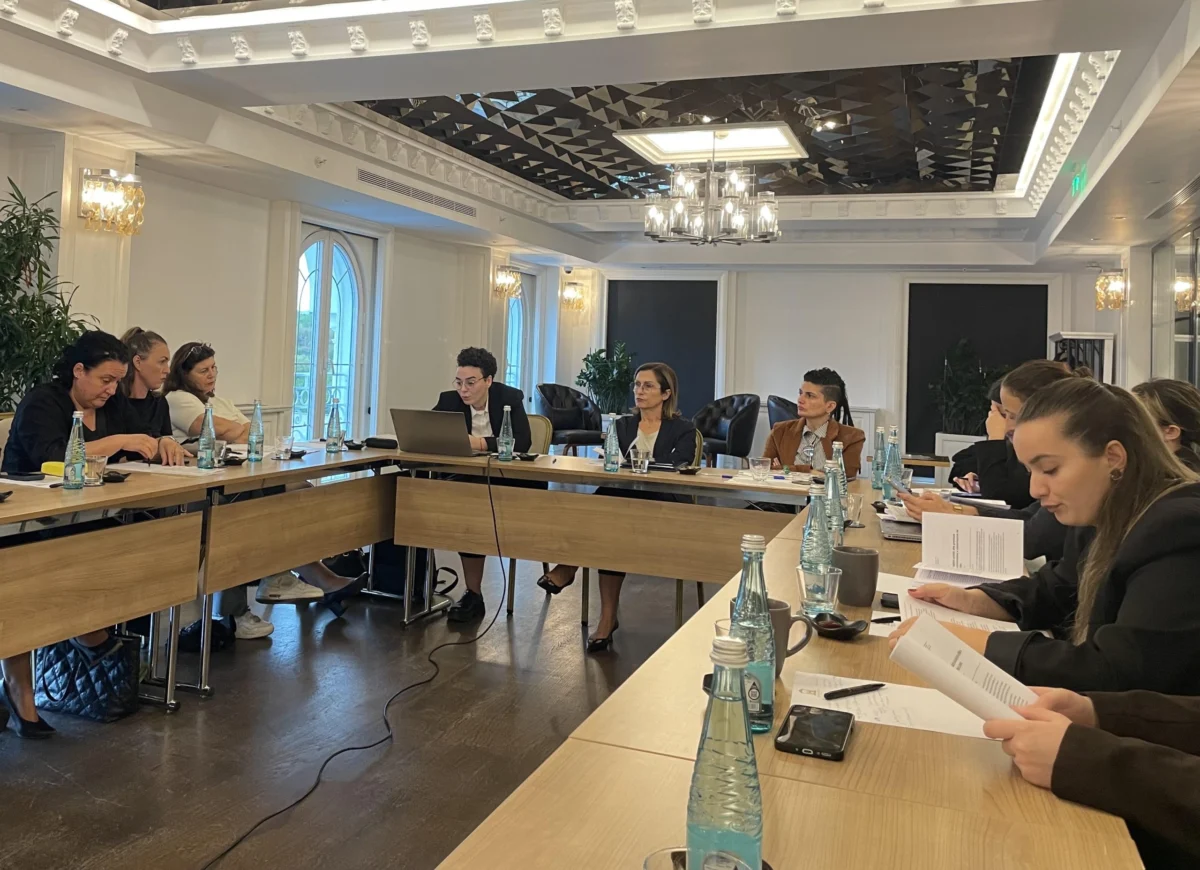
The study, a collaborative effort supported by the LGBTI+ Alliance and funded by the European Union and the EuroCentralAsian Lesbian* Community, was formally presented to stakeholders and the public, underscoring the urgent need for reform. The presentation, attended by representatives of civil society and Genta Tafa Bungo, the Commissioner for Protection from Discrimination, served as a critical platform for discussing the findings and charting a path forward.
The Core of the Problem: Systemic Invisibility and Procedural Barriers
At its heart, the study reveals a justice system ill-equipped to identify and address LGBTI+ specific issues. This invisibility stems from a multifaceted array of factors. Procedural complexities often act as insurmountable barriers, preventing cases from reaching substantive review. Furthermore, a discernible legal vacuum exists in certain areas, leaving gaps in protection. Compounding these issues are divergent interpretations of international legal norms and existing statutes, frequently filtered through a heteronormative and cisgender lens. This creates a scenario where legal concepts, though seemingly neutral in their formulation, produce disparate and often detrimental effects for LGBTI+ individuals.
The research argues that legal exclusion is not always overt. It can manifest subtly through the way cases are handled, the application of procedural rules, the evaluation of evidence, and the interpretation of legal concepts. Even when legal frameworks are designed to be gender-neutral, their practical implementation can result in discriminatory outcomes for marginalized groups.
A Deep Dive into the Study’s Findings: Data and Analysis
The study’s findings paint a stark picture of the challenges faced. The research team analyzed a total of 45 legal acts, with a significant majority – 39 decisions – originating from the Commissioner for Protection from Discrimination (KMD). Only five cases were found to have emerged from the judiciary. This imbalance itself suggests a reluctance or inability within the court system to formally register and address LGBTI+ related issues. Even in instances where issues were identified outside the formal court system, obtaining the requested information from courts proved to be a significant obstacle.
The Dominance of Procedural Formalism
A key determinant in the progression of these cases, according to the study, is procedural formalism. The research identifies this as the most frequent mechanism by which LGBTI+ related issues fail to receive a substantive review. Dea Nini, one of the study’s authors, highlighted that approximately 40% of the cases they examined fell into this category, meaning that procedural technicalities, rather than the merits of the case, led to its dismissal or lack of resolution. This emphasis on form over substance effectively silences legitimate grievances, leaving individuals without recourse.
The Selective Application of International Standards
The study also critically examines how international standards, particularly jurisprudence from the European Court of Human Rights (ECtHR), are utilized by Albanian institutions. The research indicates that these valuable legal precedents are often employed merely to provide a formal justification for decisions, rather than as tools to expand legal protections for individuals. This selective interpretation deprives LGBTI+ individuals of the full benefit of established human rights protections.
A Glimmer of Hope: The Nayara Ferreira Case
However, the study does present a notable exception, highlighting the transformative use of international standards in the case of Brazilian volleyball player Nayara Ferreira against the Albanian Volleyball Federation. In this instance, the Commissioner for Protection from Discrimination not only recognized discrimination based on sex characteristics and gender identity but also went a step further, mandating the federation to develop a specific procedure for addressing such issues. This case is lauded as a significant decision, demonstrating the potential for proactive intervention and systemic change when legal principles are applied with a genuine commitment to equality.
The Unimplemented Mandate and Continued Appeal
Despite this landmark decision, the study notes with concern that the Commissioner’s mandate remains largely unimplemented. The Albanian Volleyball Federation has reportedly appealed the decision in court, underscoring the resistance to fully embracing and enacting protective measures for LGBTI+ individuals. This situation exemplifies the ongoing struggle to translate legal recognition into tangible protection and action.
The Internal Legal Framework: Traditional Interpretations and Legislative Gaps
Furthermore, the study delves into the interpretation of Albania’s domestic legal norms. It argues that these rules are frequently interpreted through the lens of traditional, established models, often failing to accommodate the evolving understanding of gender and sexuality. This conservative approach, coupled with existing legal deficiencies and legislative gaps, often leaves LGBTI+ issues unresolved, without adequate answers or protections.
A Call for Dialogue and Systemic Reform
The presentation of the study, "Between Recognition and Legal Invisibility," served as a crucial catalyst for dialogue. Commissioner Genta Tafa Bungo, in her address, acknowledged the necessity of such research and the ongoing dialogue it fosters. She emphasized that the implementation of justice is a dynamic process, underscoring the need for continuous adaptation and improvement within the legal system.
The findings of this study are not merely academic; they represent the lived realities of LGBTI+ individuals in Albania. The systemic invisibility and procedural barriers they encounter have tangible consequences, impacting their safety, dignity, and fundamental rights. The study’s authors and supporters are calling for a multi-pronged approach to address these critical issues.
The Road Ahead: Implications and Recommendations
The implications of the study’s findings are far-reaching, pointing towards a critical need for systemic reform within Albania’s justice sector. The research underscores the following key areas for immediate attention:
- Legislative Reform: Addressing the identified legal vacuums and modernizing existing legislation to explicitly recognize and protect the rights of LGBTI+ individuals is paramount. This includes ensuring that legal frameworks are inclusive and non-discriminatory in their formulation and application.
- Capacity Building and Training: Judicial officers, legal professionals, and law enforcement personnel require comprehensive training on LGBTI+ issues, human rights, and gender sensitivity. This will foster a better understanding of the unique challenges faced by the community and equip them to handle cases with impartiality and competence.
- Data Collection and Systemic Improvement: The absence of structured data collection mechanisms within courts hinders the identification and tracking of LGBTI+ related cases. Implementing robust information and case management systems that can systematically identify and categorize these issues is crucial for monitoring progress and identifying areas for improvement.
- Challenging Heteronormative Interpretations: A conscious effort must be made to challenge and dismantle heteronormative and cisgender biases in legal interpretation. This involves promoting a more nuanced and inclusive understanding of legal concepts and their application to diverse lived experiences.
- Strengthening the Role of the Commissioner for Protection from Discrimination: While the KMD has shown potential for proactive intervention, its decisions must be consistently implemented. Further support and mechanisms to ensure compliance with its rulings are essential.
- Promoting an Inclusive Legal Culture: Ultimately, fostering a legal culture that is genuinely inclusive and protective of all individuals, regardless of their sexual orientation, gender identity, or sex characteristics, is the overarching goal. This requires a sustained commitment from all stakeholders within the justice system and society at large.
The study "Between Recognition and Legal Invisibility" serves as a critical indictment of the current state of affairs and a powerful call to action. By shedding light on the often-unseen struggles of the LGBTI+ community within Albania’s justice system, it lays the groundwork for a future where legal recognition translates into tangible justice and equitable protection for all. The path forward is undoubtedly challenging, but the insights provided by this research offer a clear roadmap towards a more just and inclusive Albania.